IP Ratings Explained for Outdoor Ceiling Lights
When selecting outdoor ceiling lights for residential or semi-exposed areas, understanding IP ratings is essential. In Australian conditions—where weather can shift from heavy rain to dust and coastal humidity—lighting fixtures must be chosen with protection in mind, not just aesthetics.
When selecting outdoor ceiling lights for residential or semi-exposed areas, understanding IP ratings is essential. In Australian conditions—where weather can shift from heavy rain to dust and coastal humidity—lighting fixtures must be chosen with protection in mind, not just aesthetics. IP ratings define how well a light fitting resists external elements, making them a critical factor in long-term performance and safety.
For homeowners evaluating outdoor house lights ,the IP rating often determines whether a fixture is suitable for a specific location. Without the correct rating, even a well-designed light may fail prematurely or pose safety concerns due to moisture or debris exposure.
What Does an IP Rating Mean?
IP stands for “Ingress Protection.” It is a standard used to classify how effectively an electrical enclosure resists intrusion from solids and liquids. The rating is typically expressed as two digits, each representing a different type of protection. The first digit refers to protection against solid objects like dust or debris. The second digit indicates resistance to moisture, including splashes, rain, or direct water exposure. For example, a rating like IP44 or IP65 provides a quick reference to how durable a fixture is in outdoor environments.
Breaking Down Common IP Ratings
Understanding a few commonly used IP ratings can simplify the selection process: IP44: Protected against solid objects larger than 1mm and splashing water from any direction. Suitable for covered outdoor areas. IP54: Offers limited dust protection and resistance to water spray. Often used in semi-exposed zones. IP65: Dust-tight and protected against low-pressure water jets. Ideal for areas exposed to rain. IP67: Provides higher protection, including temporary immersion in water, though less common for ceiling lights. Each level corresponds to specific environmental conditions, so choosing the right one depends on where the light will be installed.
1. Matching IP Ratings to Installation Areas
Not all outdoor spaces require the same level of protection. Selecting the appropriate IP rating depends on exposure levels. Covered patios or verandas: IP44 is generally sufficient, as the fixtures are shielded from direct rain. Partially exposed ceilings: IP54 or IP55 provides added protection against wind-driven moisture. Fully exposed outdoor ceilings: IP65 or higher is recommended for consistent durability. Using a lower-rated fixture in a highly exposed area can lead to water ingress, affecting both performance and safety.
2. Environmental Factors in Australian Conditions
Australia’s climate varies significantly across regions, and this directly impacts lighting requirements. Coastal areas often deal with salt-laden air, which can accelerate corrosion. Dust-prone regions may require higher solid-particle protection. Areas with heavy rainfall need fixtures that can handle continuous moisture exposure. Considering these environmental factors ensures that the selected lighting performs reliably over time.
3. Safety and Compliance Considerations
Outdoor lighting must meet specific safety standards, especially when installed near entrances or walkways. IP ratings play a role in ensuring compliance by reducing the risk of electrical faults caused by water or debris. Higher-rated fixtures are generally safer for exposed environments, as they minimise the chance of internal damage. Proper installation also contributes to safety, ensuring that seals and fittings remain intact.
4. Balancing Design and Functionality
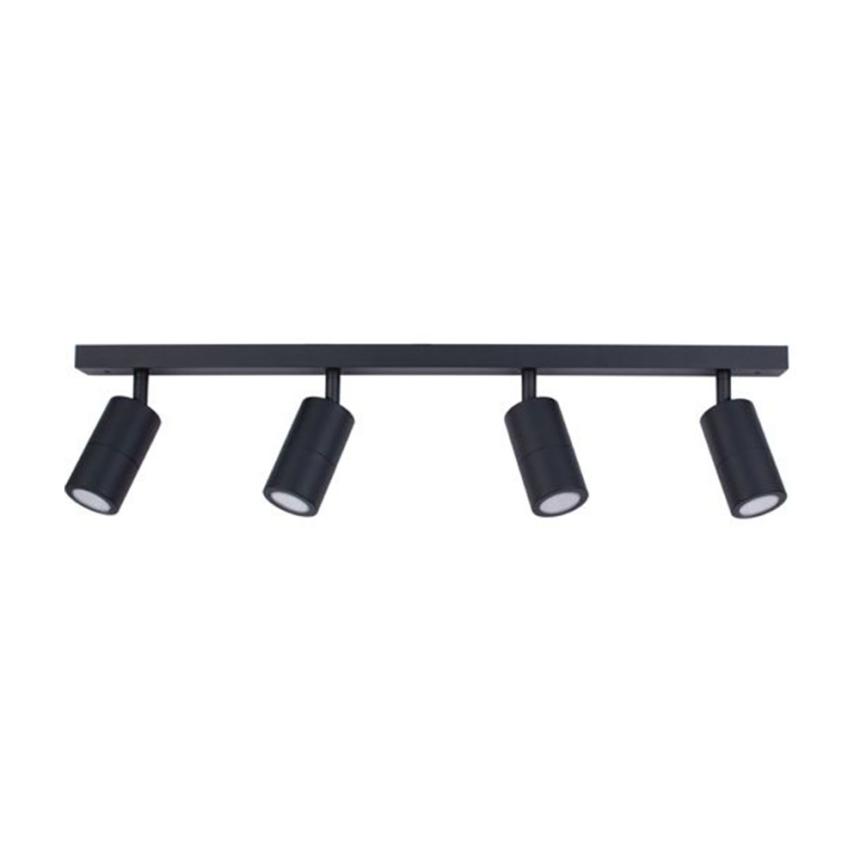
While IP ratings focus on protection, design should not be overlooked. Modern outdoor ceiling lights are available in a range of styles that combine durability with visual appeal. Minimalist fixtures suit contemporary homes. Bulkhead-style lights offer a more industrial look with robust protection. Decorative outdoor lights can still meet high IP standards when designed for exterior use. The key is to ensure that aesthetic choices do not compromise functional requirements.
Light Performance and Longevity
A correctly rated fixture is more likely to maintain consistent performance over time. Moisture ingress can affect brightness, cause flickering, or damage internal components. By selecting the appropriate IP rating, these issues can be avoided. Additionally, fixtures with higher protection levels often require less frequent maintenance, making them more practical for long-term use.
5. Installation and Maintenance Factors
Even the best-rated fixture can underperform if not installed correctly. Placement, sealing, and wiring all contribute to overall effectiveness. Ensure fittings are securely mounted to prevent water entry. Check seals and gaskets during installation. Regularly inspect fixtures for signs of wear or damage. Maintenance is particularly important in outdoor environments where exposure is constant. IP ratings provide a clear framework for selecting outdoor ceiling lights that can withstand environmental exposure. By aligning the rating with the installation area and local conditions, it becomes easier to achieve a lighting solution that is both reliable and visually appropriate for modern Australian homes.


HELLO A Modern Online Gaming Platform for Entertainment and Exciting R...
HELLO A Modern Online Gaming Platform for Entertainment and Exciting Rewards