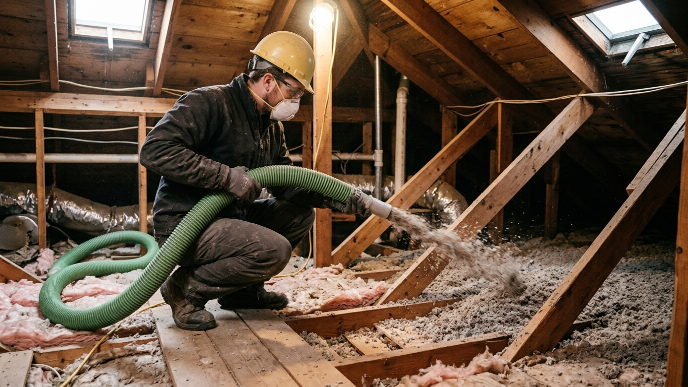

How to protect your home’s structure from timber rot using Residential Insulation in Seattle, WA
Residential insulation protects a home from timber rot by regulating moisture levels and stopping the formation of condensation on wooden structural members. In the Pacific Northwest, the primary cause of wood decay is the interaction between warm indoor air and the cold, damp exterior environment. When moist air penetrates walls or attics, it hits cool timber surfaces and turns into liquid water. High-quality insulation materials, particularly those that provide an air seal, prevent this moisture transfer and keep the wood dry. By maintaining the wood’s moisture content below 20 percent, insulation effectively stops the growth of fungi that cause structural rot.
This guide provides a detailed look at how homeowners in the Seattle area use modern insulation techniques to preserve the integrity of their buildings. Professional installers focus on creating a continuous thermal and moisture barrier to defend against the constant humidity of the region. Experts in the field emphasize that selecting the right material is the first step in a long-term strategy for home preservation. Investing inhigh-quality residential insulation in Seattle, WA helps homeowners improve energy efficiency, control moisture, and protect their properties from long-term structural damage.
The relationship between Seattle humidity and wood decayThe climate in Western Washington presents a unique challenge for building longevity. With over 150 days of precipitation annually and high average humidity, the local environment provides the perfect conditions for wood-destroying organisms. Timber rot is a biological process where fungi consume the cellulose and lignin in the wood. These fungi require four elements to survive: oxygen, favorable temperatures, a food source, and moisture. Since the first three are always present in a home, controlling moisture is the only way to prevent decay.
When a house is under-insulated or poorly sealed, air leaks carry water vapor into the wall cavities and attic spaces. During the winter months, the temperature difference between the inside and outside of a Seattle home is significant. As warm air moves toward the cold exterior, it reaches its dew point and releases water. This liquid often collects on the rafters, floor joists, and wall studs. Over time, this constant dampness leads to "dry rot," which is a misnomer because the process actually requires a moisture source to begin.
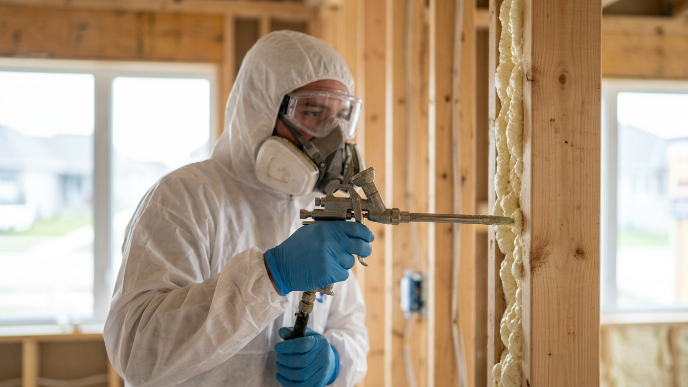 How do different insulation materials manage moisture
Homeowners have several options when choosing insulation to protect their structures. Not all materials perform the same way when it comes to moisture management. Some products absorb water, while others repel it or stop air movement entirely. Understanding these differences is essential for protecting a home in a rainy climate.
Market data indicates that moisture-related issues account for nearly 80 percent of building envelope failures in wet climates. Choosing a material that does not support mold growth and provides high thermal resistance is a standard recommendation for the region. The following table compares common insulation types used in the Seattle area.
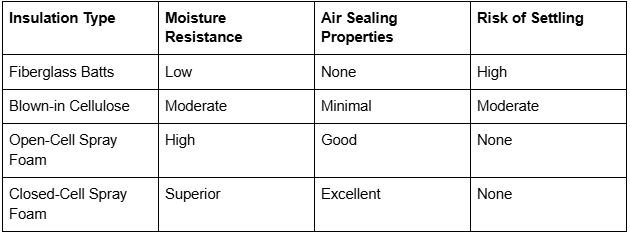
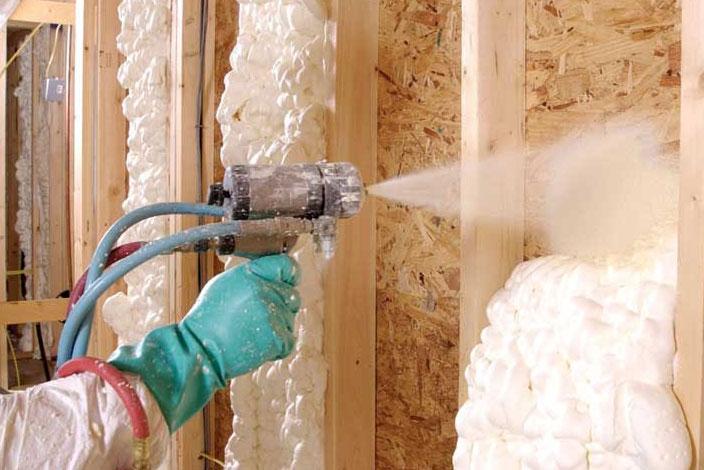
Fiberglass is a common choice, but it allows air to pass through it easily. This means it does not stop water vapor from reaching the wood. Cellulose is treated with fire retardants that can sometimes provide a small amount of fungal resistance, but it can also hold onto moisture if a leak occurs. Spray foam is often favored by experts because it expands to fill every gap, creating a seal that prevents air from moving to cold surfaces in the first place.
Bonus Tip: Residents should check their attic for "frost" on the underside of the roof deck during cold snaps. This is a sign that warm air is escaping from the living space and could lead to rot when it melts.
Protecting the attic and roof deckThe attic is often the most vulnerable part of a Seattle home. Heat naturally rises, and with it, the moisture generated from cooking, showering, and breathing. If the attic floor is not properly air-sealed and insulated, this moisture settles on the roof rafters. In many older homes, the solution was to increase ventilation. However, in very humid weather, bringing in more damp outside air does not always solve the problem.
Modern insulation strategies often involve "hot roof" designs or heavily insulated attic floors with rigorous air sealing. By using materials that stick directly to the wood, such as closed-cell foam, installers can prevent any air from touching the timber. This keeps the wood at a consistent temperature and prevents the condensation cycle. In King County, building codes often require high R-values, sometimes up to R-60, to ensure the thermal barrier is effective enough to protect the structure.
Crawlspace insulation and floor joist integrityCrawlspaces are another area where timber rot frequently occurs. The ground in the Pacific Northwest stays damp for most of the year, and this moisture evaporates into the crawlspace. If the floor above is not insulated correctly, the wooden joists soak up this vapor. This leads to sagging floors and a musty smell inside the house.
Encapsulating the crawlspace and insulating the perimeter walls instead of just the floor joists is a common recommendation. This creates a conditioned space that stays dry. When workers apply insulation to the rim joist, which is the area where the house frame meets the foundation, they block one of the most common entry points for both cold air and moisture.
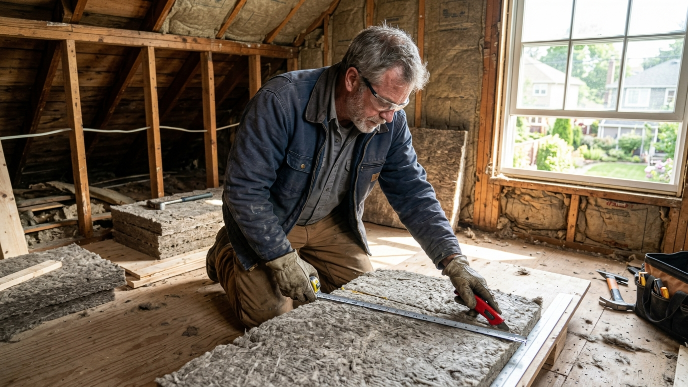 Things to consider before making a decision
Before selecting an insulation method, homeowners should evaluate several factors that affect structural safety.
- Existing Wood Condition: If rot is already present, it must be repaired or treated before new insulation is installed. Covering up rot with insulation will not stop the process and can make the damage harder to detect.
- Current Ventilation Levels: Changing the insulation can change how a house "breathes." Homeowners should ensure that the home still has proper air exchange so that indoor air quality remains high.
- Local Building Codes: Seattle has specific energy codes that dictate the minimum R-value for different parts of the home. Any new project should meet or exceed these standards.
- Permit Requirements: Some insulation upgrades require a building permit. A professional service provider can usually help determine what is needed for a specific neighborhood.
- Cost vs. Long-term Savings: While some materials have a higher upfront cost, the prevention of structural repairs can save five to ten thousand dollars in future timber replacement costs.
Bonus Tip: When inspecting a home, look for small holes or "frass" near wooden beams. While moisture causes rot, damp wood also attracts pests like carpenter ants, which accelerate structural failure.
Ensuring a dry and stable home structureProtecting a home from the wet climate of the Pacific Northwest requires a proactive approach to moisture management. High-quality residential insulation does more than just lower utility bills. It serves as a shield for the wooden skeleton of the house. By stopping condensation and blocking humid air, homeowners can ensure their property remains structurally sound for decades.
The best results come from a comprehensive assessment of the home’s current thermal envelope. Homeowners should look at their attic, walls, and crawlspace as a single system. Prioritizing materials that provide a total air seal is often the most effective way to combat the unique environmental pressures found in Seattle.
Consultation for structural protection
For those looking to safeguard their property, consulting with a specialized service provider is a logical next step. They can offer a professional assessment of the current insulation levels and identify areas where the timber might be at risk. Cascadia Spray Foam Insulation of Seattle provides expertise in moisture control and high-performance insulation solutions tailored for the local climate. They can be reached at (425) 386-3500 or via email at [email protected] for more information. Taking action now can prevent the need for expensive structural repairs later, ensuring the home stays dry and efficient throughout the year.
Common questions about insulation and wood rotWhy does wood rot happen even in the winter?In the winter, the temperature difference between the warm interior and the freezing exterior is at its peak. This causes the most significant condensation. Since windows and doors are usually closed, indoor humidity builds up and finds its way into the walls and attic through small cracks.
Can insulation actually cause rot if installed incorrectly?Yes, if a vapor barrier is placed on the wrong side of the insulation, it can trap moisture against the wood. In Seattle, the vapor barrier usually belongs on the "warm in winter" side of the assembly. This is why professional installation is preferred over do-it-yourself projects.
Does spray foam insulation provide better rot protection than fiberglass?Generally, yes. Spray foam acts as both an insulator and an air barrier. Fiberglass allows air to flow through it, which means it cannot stop the movement of water vapor. By stopping the air, spray foam eliminates the mechanism that carries moisture to the wood.
How do I know if my current insulation is failing to protect my timber?Signs include peeling paint on the exterior of the house, water stains on the ceiling, or a persistent damp smell in the attic or crawlspace. If the wooden beams feel soft or look darker than usual, they may be absorbing too much moisture.
What is the ideal moisture content for home framing?For a healthy home structure, the moisture content of the wood should be between 8 and 14 percent. Once it stays above 20 percent for an extended period, the risk of fungal growth and structural rot increases significantly.
Your Trusted Gateway to a Smooth Online Gaming Experience
Your Trusted Gateway to a Smooth Online Gaming Experience




Why James Deller Believes Culture Drives Long-Term Performance
Why James Deller Believes Culture Drives Long-Term Performance
