
How to Prepare Your Questions for a Fat Melting Injections Consultation
Discover how fat melting injections work, their potential benefits, treatment considerations, and what to know before choosing this body contouring option.
When someone is considering Fat Melting Injections in Muscat, preparing for the consultation can make the entire treatment journey clearer and more comfortable. A consultation is more than an opportunity to ask whether the treatment works. It gives a person the chance to understand whether the procedure is appropriate for their specific concern, what kind of results may be realistic, how many sessions might be needed, and what recovery could involve.
Fat-melting injections are generally discussed as a treatment for localized areas of unwanted fat rather than as a replacement for weight loss. Because individual suitability can vary, asking well-planned questions can help a prospective patient make an informed decision.
A good consultation should feel like a conversation rather than a sales appointment. The person should leave with a better understanding of the procedure, potential benefits and limitations, possible side effects, aftercare, and alternative options.
What Are Fat Melting Injections and What Are They Designed to Do?
Fat-melting injections, sometimes referred to as injectable fat reduction treatments, are intended to reduce localized pockets of subcutaneous fat. Depending on the specific injectable product and the area being treated, the active ingredient may work by disrupting fat cells so the body can gradually clear the resulting cellular material.
These injections are different from general weight-loss treatments. They are typically considered for areas where small, stubborn fat deposits remain despite healthy lifestyle habits. Common treatment areas may include certain regions under the chin or other areas of localized fat, depending on the product approved and the practitioner's assessment.
Results are not usually immediate. The treated area may initially appear swollen or feel tender, while the body gradually processes the affected fat cells. The timing and degree of visible improvement can vary from person to person.
For this reason, a consultation is particularly important. A qualified medical professional can determine whether an injectable treatment is suitable for the person's anatomy, goals, medical history, and expectations.
Questions About Personal Suitability
One of the first topics to discuss during a consultation is whether the individual is actually a suitable candidate. A treatment that works well for one person may not be appropriate for another.
Useful questions can include:
- Is the treatment suitable for the specific area of concern?
- Is the amount of localized fat appropriate for injectable treatment?
- Would another procedure be more suitable?
- Does the person's skin quality affect the expected outcome?
- Are there medical conditions that could make treatment unsuitable?
- Could current medications affect the procedure or recovery?
- Are there circumstances in which treatment should be postponed?
A practitioner may also examine the area and assess factors such as the amount and distribution of fat, skin elasticity, facial or body anatomy, and the person's overall expectations.
This assessment matters because reducing fat does not necessarily correct loose or excess skin. Someone whose main concern is skin laxity rather than localized fat may require a different approach.
People should also be encouraged to disclose relevant medical information honestly. Previous procedures, allergies, medications, pregnancy or breastfeeding status, and significant health conditions may all be relevant to treatment suitability.
Questions About the Injection Product and Treatment Process
Not all injectable treatments are identical. A prospective patient should understand what product is being proposed and why it has been selected.
During a consultation for Fat Melting Injections in Muscat, useful questions may include:
- What active ingredient is used?
- Is the product approved for the intended treatment area?
- How does the injectable work?
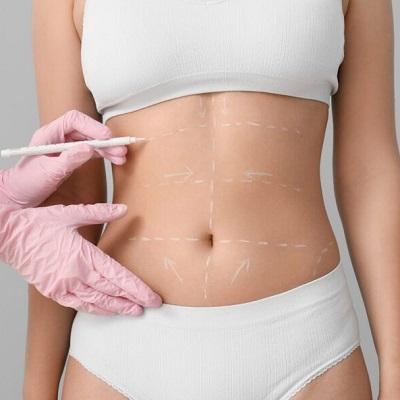
- How is the treatment area marked before injection?
- How many injections are typically administered during a session?
- How long does an appointment usually take?
- What type of discomfort can be expected?
- Is numbing or another comfort measure used?
- What should the patient do before arriving for treatment?
Understanding the process can reduce uncertainty. The practitioner should be able to explain what happens before, during, and after the injections in language that the patient can understand.
It is also reasonable to ask about the practitioner's experience with the particular treatment and treatment area. Experience can be especially important in areas with complex anatomy.
Questions About Expected Results and Number of Sessions
One of the most important parts of the consultation involves setting realistic expectations. Injectable fat reduction generally does not produce the same type of dramatic transformation as surgical fat removal, and individual outcomes can differ.
A person can ask:
- When should early changes become noticeable?
- When are final results typically assessed?
- How much improvement might reasonably be expected?
- How many treatment sessions may be recommended?
- How much time should be allowed between sessions?
- What happens if the desired improvement is not achieved?
- Can results vary between different areas of the body?
The practitioner should explain that treatment outcomes are influenced by factors such as the amount of fat, treatment area, individual biology, lifestyle, and the number of sessions.
It is also important to understand that no responsible professional should guarantee a specific result. Photographs of previous patients can sometimes help illustrate the range of possible outcomes, but they should not be interpreted as a promise of identical results.
A good consultation focuses on realistic improvement rather than perfection.
Questions About Side Effects, Risks, and Recovery
Every medical procedure has potential risks, and fat-melting injections are no exception. Asking about side effects before treatment allows a person to distinguish expected temporary reactions from symptoms that may require medical attention.
Common questions include:
- Is swelling expected after treatment?
- How long can tenderness or redness last?
- Is bruising common?
- Can the treated area feel firm or numb temporarily?
- When can normal daily activities be resumed?
- Are there restrictions on exercise?
- Is special aftercare required?
- Which symptoms should prompt an urgent call to the medical provider?
Depending on the treatment and location, temporary swelling, redness, tenderness, bruising, numbness, or firmness may occur. More significant or unusual symptoms should be discussed promptly with the treating medical professional.
Patients should also ask what recovery realistically looks like. Someone planning treatment before an important event may need to consider that swelling can persist for a period after the procedure.
Following aftercare instructions carefully can help support a smoother recovery. Patients should not assume that a procedure is risk-free simply because it is minimally invasive.
Questions About Safety, Credentials, and Alternatives
Safety should remain a central part of any consultation. Before proceeding, a patient can ask who will perform the treatment, what qualifications they have, and how complications are managed if they occur.
Important questions can include:
- Who will administer the injections?
- What training and experience does the practitioner have with this procedure?
- How is the treatment area evaluated before injection?
- What safety measures are followed?
- How are unexpected reactions handled?
- Is follow-up provided after treatment?
- What alternatives could achieve a similar goal?
The last question is particularly valuable. A consultation should not focus on one procedure as though it is automatically the best solution.
Depending on the individual's concern, alternatives may include non-invasive body-contouring approaches, changes in lifestyle, or surgical options. The appropriate choice depends on the amount of fat, skin condition, treatment area, medical history, desired degree of change, and personal preferences.
A qualified professional should be willing to explain both the benefits and limitations of the recommended approach.
Questions About Cost, Maintenance, and Long-Term Expectations
Although exact treatment costs vary according to the product, treatment area, number of sessions, and individual needs, patients can still ask useful questions about the financial side of treatment without focusing solely on a single quoted figure.
For example:
- Is the quoted fee based on one session or a complete treatment plan?
- Could more than one session be recommended?
- Are follow-up consultations included?
- Could additional treatment be needed later?
- Are there circumstances in which treatment may need to be repeated?
It is also useful to discuss long-term expectations. Fat cells affected by treatment may be permanently eliminated, depending on the specific treatment, but remaining fat cells can still enlarge if a person gains weight.
Maintaining a stable weight and following healthy lifestyle habits can therefore be helpful for preserving the overall appearance achieved through localized fat reduction.
The consultation should give the patient enough information to understand the complete treatment journey rather than simply the first appointment.
How to Make the Consultation More Productive
Preparation does not need to be complicated. A prospective patient can write down the main concerns before the appointment and bring a short list of questions.
It can also help to note current medications, relevant medical conditions, allergies, previous cosmetic procedures, and previous reactions to injections or medications. Providing accurate information allows the practitioner to make a more appropriate assessment.
Patients should avoid feeling pressured to make an immediate decision. If the treatment involves a medical procedure, it is reasonable to take time to review the information, consider alternatives, and ask additional questions.
A useful consultation should leave the person knowing:
- Why the treatment has been recommended.
- Whether the treatment is appropriate for the area of concern.
- What results may realistically be expected.
- How many sessions may be necessary.
- What side effects and risks are possible.
- What recovery and aftercare involve.
- What alternatives are available.
- When professional follow-up is required.
These points can help turn a general interest in Fat Melting Injections in Muscat into a more informed treatment decision.
FAQs About Fat Melting Injections
1. Are fat melting injections a weight-loss treatment?
No. Fat-melting injections are generally intended for localized pockets of subcutaneous fat and are not a substitute for a comprehensive weight-management plan. A consultation can determine whether the person's concern is localized fat or a broader weight-related issue.
2. How long does it take to see results from fat melting injections?
Results usually develop gradually rather than immediately. Swelling and other temporary reactions may occur after treatment, and visible improvement may take time as the body processes the treated fat cells. The expected timeline varies according to the treatment and individual response.
3. How many sessions of fat melting injections are needed?
The number of sessions depends on the treatment area, amount of fat, desired improvement, and response to previous treatment. A practitioner should assess the individual and provide a personalized treatment plan rather than guaranteeing a fixed number of sessions for everyone.
4. Are fat melting injections painful?
Some people experience stinging, discomfort, tenderness, or a burning sensation during or shortly after injections. The level of discomfort varies, and a medical professional can explain what comfort measures may be appropriate.
5. What side effects can occur after treatment?
Temporary swelling, redness, bruising, tenderness, firmness, or numbness can occur depending on the injectable and treatment area. Patients should receive clear aftercare instructions and know which unexpected symptoms require medical evaluation.
6. Can fat return after fat melting injections?
Fat cells affected by certain injectable treatments may be permanently reduced, but remaining fat cells can increase in size with weight gain. Maintaining a stable weight and healthy lifestyle can therefore support longer-lasting cosmetic results.
Final Thoughts
Preparing questions before a consultation can make the decision-making process much easier for anyone considering Fat Melting Injections in Muscat. Rather than concentrating only on how quickly fat may disappear, prospective patients should understand suitability, treatment technique, expected results, possible risks, recovery, costs, alternatives, and long-term expectations.
The strongest consultation is one in which the patient feels comfortable asking questions and the medical professional provides clear, realistic answers. Since injectable treatments can differ by product, treatment area, and individual circumstances, professional assessment should always come before treatment.
Read More About Fat Melting Injections: https://www.gooalsocial.com/blogs/view/37224




Essential Considerations for Commercial Lighting Installation
As an engineer I think that commercial lighting installation should start with a clear loo...