How to Get Rid of Acne if My Dermatologist Isn't Helping Me
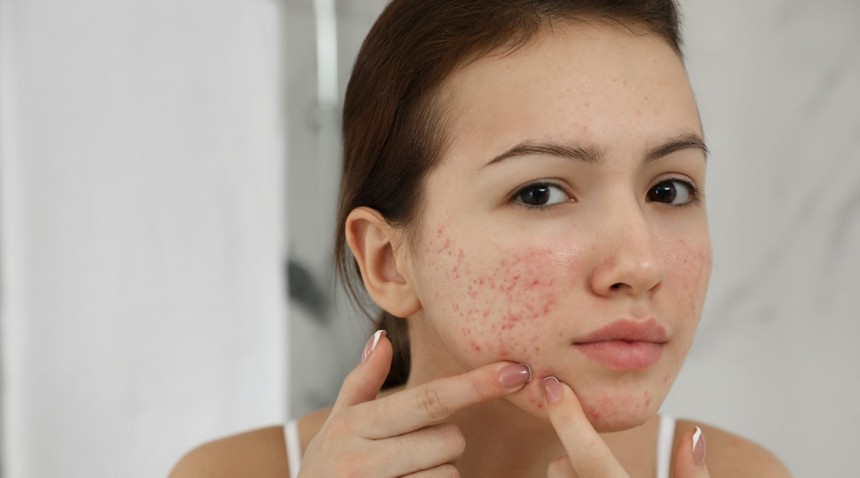
Acne can be a frustrating condition that affects both your appearance and your confidence. When you’ve visited a dermatologist for help and still find yourself battling breakouts, it’s natural to feel disheartened. While professional guidance is essential, sometimes the prescribed treatments don’t work as expected, or you may feel like you need additional support. If you're wondering how to get rid of acne when your dermatologist isn’t helping, there are several steps you can take to regain control of your skin health.
1. Reevaluate Your Skincare Routine
The first step in tackling acne is ensuring that you are using the right skincare products. It’s easy to make mistakes with the products you use, especially if you have sensitive skin or are trying to manage acne. Here are some tips:
- Choose Non-Comedogenic Products: Non-comedogenic products are specifically formulated not to clog pores. This is crucial for preventing breakouts.
- Avoid Harsh Exfoliation: Over-exfoliating can strip your skin of natural oils, causing it to produce more oil in response. Stick to gentle exfoliation once or twice a week.
- Be Mindful of Moisturizing: While it may seem counterintuitive, moisturizing is important even for acne-prone skin. Use an oil-free, non-comedogenic moisturizer to prevent your skin from becoming too dry.
2. Consider Over-the-Counter Treatments
If your dermatologist’s treatments aren’t effective, over-the-counter (OTC) options might help. These products often contain ingredients that target acne in different ways:
- Benzoyl Peroxide: This ingredient kills the bacteria that contribute to acne and helps prevent clogged pores. It’s available in many forms, including gels, creams, and cleansers.
- Salicylic Acid: This beta hydroxy acid (BHA) helps to exfoliate the skin’s surface and deep clean pores. It’s a great option for preventing acne formation.
- Retinoids: These vitamin A derivatives, such as adapalene (Differin), help to speed up skin turnover, preventing clogged pores and acne development.
Start with a gentle formula to see how your skin reacts, as some of these treatments can cause dryness or irritation.
3. Maintain a Consistent Routine
Consistency is key when it comes to acne treatment. Many people make the mistake of switching products too quickly when they don’t see immediate results. Acne treatments take time, and it might take weeks for you to notice visible improvements. Stick with your routine for at least 4-6 weeks before deciding whether a product is working.
4. Monitor Your Diet
What you eat can have a surprising impact on your skin. While the relationship between diet and acne is still debated, some foods are known to trigger or worsen acne in some people:
- Dairy: Some studies suggest that dairy, especially milk, may increase the likelihood of developing acne.
- High Glycemic Foods: Foods with a high glycemic index, such as white bread and sugary snacks, can cause spikes in insulin levels, potentially triggering acne.
- Inflammatory Foods: Omega-6 fatty acids, found in many processed foods, can promote inflammation, which may contribute to acne.
Focus on a balanced diet rich in fruits, vegetables, whole grains, and healthy fats. Drinking plenty of water also helps to keep your skin hydrated and flushed of toxins.
5. Try Natural Remedies
If you're looking for more natural options, there are some remedies that may help soothe and heal acne-prone skin:
- Tea Tree Oil: This natural antiseptic has antibacterial properties and can help reduce acne when applied topically. Dilute it with a carrier oil to prevent skin irritation.
- Aloe Vera: Known for its soothing and healing properties, aloe vera can help calm inflammation and reduce redness.
- Honey: Honey has antibacterial properties and can be used as a mask to reduce inflammation and promote healing.
Before applying any natural remedy, do a patch test to ensure you don’t have an allergic reaction.
6. Manage Stress
Stress can be a major trigger for acne. When you're stressed, your body produces more cortisol, a hormone that can increase oil production and lead to breakouts. Finding ways to manage stress is crucial for improving your skin’s health. Try relaxation techniques such as:
- Meditation: Spend a few minutes each day meditating to clear your mind and reduce stress.
- Exercise: Regular physical activity helps to relieve tension and improve blood circulation, which benefits your skin.
- Sleep: Aim for 7-9 hours of quality sleep per night to allow your skin to repair itself and maintain a healthy balance.
7. Seek a Second Opinion
If your dermatologist isn’t helping you, it might be worth seeking a second opinion. Acne can be caused by a variety of factors, and different dermatologists may offer different treatments. A second consultation may provide you with new insights or treatment options that could be more effective for your specific skin.
Final Thoughts
While it can be discouraging when your dermatologist’s treatments don’t work as expected, it’s important to remain patient and proactive. Take a closer look at your skincare routine, consider alternative treatments, and make lifestyle changes that support skin health. If acne continues to affect your quality of life, don’t hesitate to reach out to another dermatologist or healthcare provider to explore more options. learn more here - https://selflondon.com/best-acne-clinic-in-london/