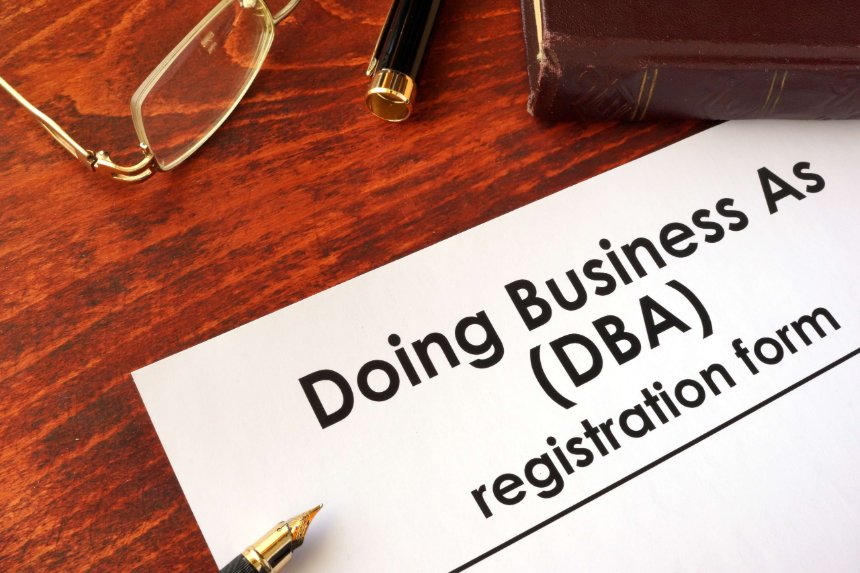

How to File DBA Registration Correctly: The Costly Mistakes New Owners Overlook
Understanding how to file DBA paperwork correctly requires careful preparation and attention to local regulations. Business owners should verify filing authorities
Registering a Doing Business As (DBA) name allows businesses to operate under a name different from their legal name. However, registration requirements vary by location. Incorrect information, missed deadlines and overlooked fees can cause delays or additional expenses. Understanding how to file DBA paperwork correctly helps new owners avoid these mistakes and complete registration properly.
Understand What DBA Registration CoversA DBA allows sole proprietors, partnerships and limited liability companies (LLCs) to operate under an alternative business name. However, registration does not create a separate legal entity or provide liability protection. It also does not automatically establish trademark rights. Business owners should understand these limitations before registering an assumed name.
Research Local Filing RequirementsDBA registration procedures differ between states and local jurisdictions. Some applications go through state agencies, while others require filing with county or city offices. Identifying the correct authority helps prevent unnecessary delays and rejected paperwork.
Before submitting an application, business owners should check:
- Filing Authority: Identify the appropriate government office.
- Required Information: Confirm ownership details and business addresses.
- Name Restrictions: Review applicable naming rules and limitations.
- Registration Fees: Verify filing charges and payment methods.
- Submission Options: Check whether online, mail or in-person filing is available.
Reviewing these requirements helps owners prepare accurate applications. Official government websites provide jurisdiction-specific instructions and current registration procedures.
Avoid Common Application MistakesIncorrect business information can result in rejected applications or additional filing expenses. Owners should carefully compare application details with existing legal records before submitting documents. Even small discrepancies may require corrections.
Common mistakes include:
- Incorrect Business Names: Check spelling and formatting carefully.
- Ownership Errors: Match ownership details with legal records.
- Incomplete Applications: Provide all required information and signatures.
- Name Conflicts: Search existing registrations and relevant trademarks.
- Incorrect Payments: Confirm fees before submitting applications.
Reviewing these details reduces preventable filing problems. Checking trademark records also helps identify potential disputes that DBA registration alone cannot resolve.
Check Publication Requirements and CostsSome jurisdictions require businesses to publish DBA notices in newspapers. California, for example, requires publication of certain fictitious business name statements within 45 days after filing begins, with notices appearing weekly for four consecutive weeks.
Missing publication requirements can lead to additional expenses or refiling. Owners should confirm newspaper eligibility, publication costs and proof-of-publication requirements with the relevant filing office before submitting paperwork.
Keep DBA Registration CurrentRegistration responsibilities may continue after approval. Depending on local regulations, businesses may need to renew their DBA, update ownership information or cancel unused registrations. Changes to business details can sometimes require new filings rather than amendments.
Keeping registration documents organized and monitoring expiration dates helps owners avoid lapses. Reviewing local requirements regularly also supports accurate business records.
ConclusionUnderstanding how to file DBA paperwork correctly requires careful preparation and attention to local regulations. Business owners should verify filing authorities, review application details and account for publication expenses. Tracking renewal deadlines and maintaining accurate records can prevent unnecessary costs. Consulting official government resources before filing helps ensure compliance with applicable requirements.

How to Choose the Right U Bolt for Your Industrial Application in Indi...

A Day in the Life of a Mental Health Support Worker
What is a normal day like for a mental health support worker? The answer can be different...


Goods in Transit Insurance: Protect Your Deliveries from Costly Setbac...



Why Choose a Professional Sign Company for Custom Building Signs in Wa...
