How to Detect Early Corrosion in Older Copper Pipes
Corrosion in copper plumbing is not caused by one factor but by a combination of internal and external influences. Identifying these factors early helps guide the inspection process.
Copper piping is durable and widely used in residential plumbing, often lasting several decades. But no material is immune to deterioration. Over time, copper can develop corrosion that weakens pipe integrity and risks leaks, water damage, and contamination. The earlier corrosion is identified, the less damage it causes and the less costly the repairs tend to be.
This article explains how to detect early corrosion in older copper pipes before serious issues arise. You'll learn what visual cues to look for, how corrosion develops, which tests can help identify hidden damage, and how to differentiate between normal aging and more serious deterioration. Whether you're inspecting a home before purchase or maintaining an aging plumbing system, understanding these signs can help reduce long-term plumbing failures.
Causes of Copper Pipe CorrosionCorrosion in copper plumbing is not caused by one factor but by a combination of internal and external influences. Identifying these factors early helps guide the inspection process.
Water Chemistry and pH ImbalanceWater that's too acidic or contains certain minerals can react with copper over time.
- Low pH (acidic water) dissolves copper gradually.
- High chloride levels contribute to pitting corrosion, which leads to small, isolated pinholes.
- Hard water, rich in calcium and magnesium, can accelerate scale formation but also create localized corrosion under deposits.
Corrosion isn't just internal. Pipes exposed to oxygen, condensation, or humid environments can corrode from the outside.
- Moisture near joints often accelerates corrosion.
- Sweating pipes during summer can trap moisture against the surface.
- Areas with poor ventilation like crawl spaces or basements increase external corrosion risk.
When copper connects to a different metal (like galvanized steel), an electrical reaction called galvanic corrosion may occur.
- Joints between dissimilar metals corrode faster, often visible at transition fittings.
- This kind of corrosion tends to localize but can spread if unnoticed.
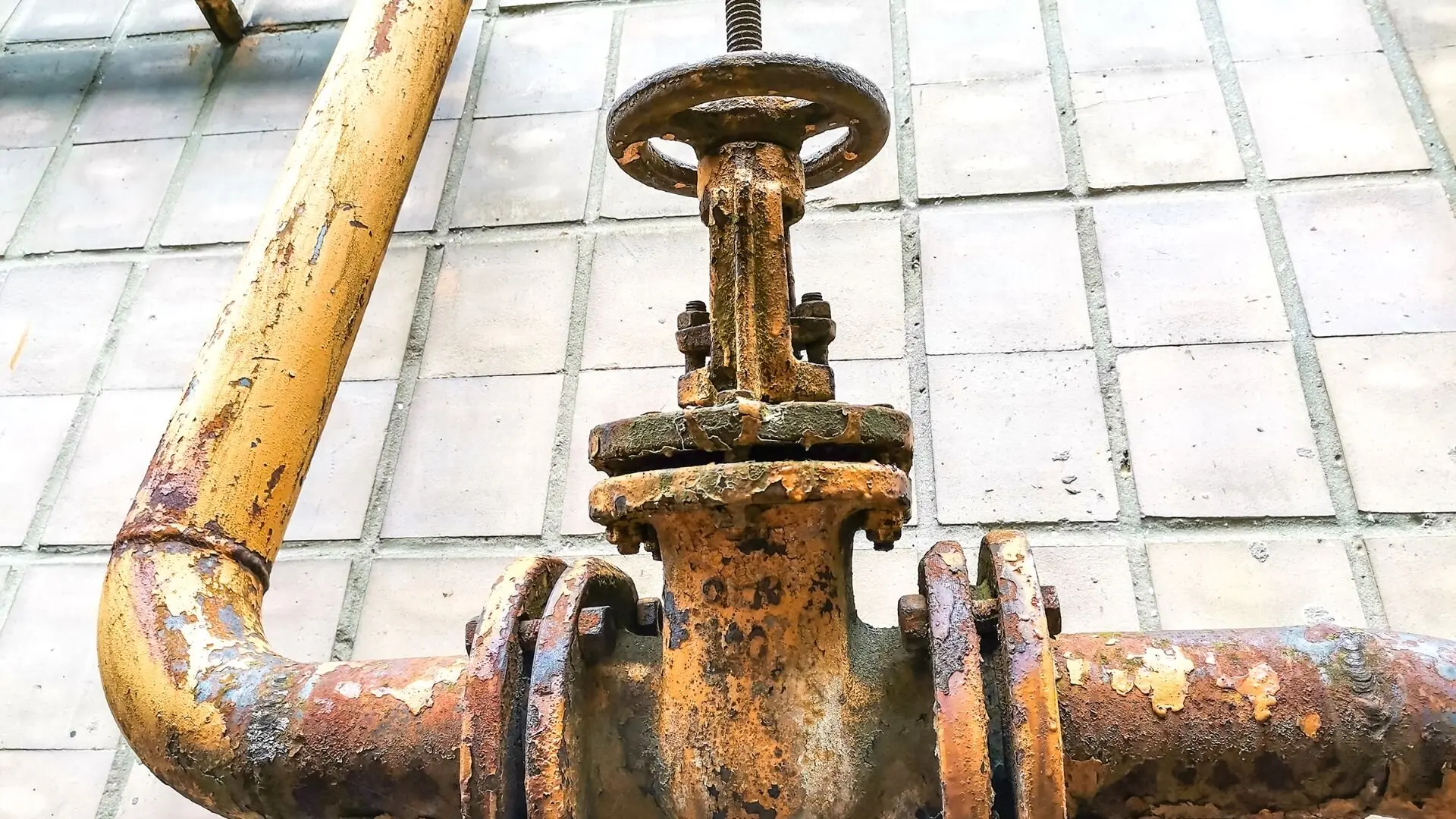
Detecting early damage involves both visual inspection and awareness of performance-related symptoms. Here’s what to watch for during a home plumbing check.
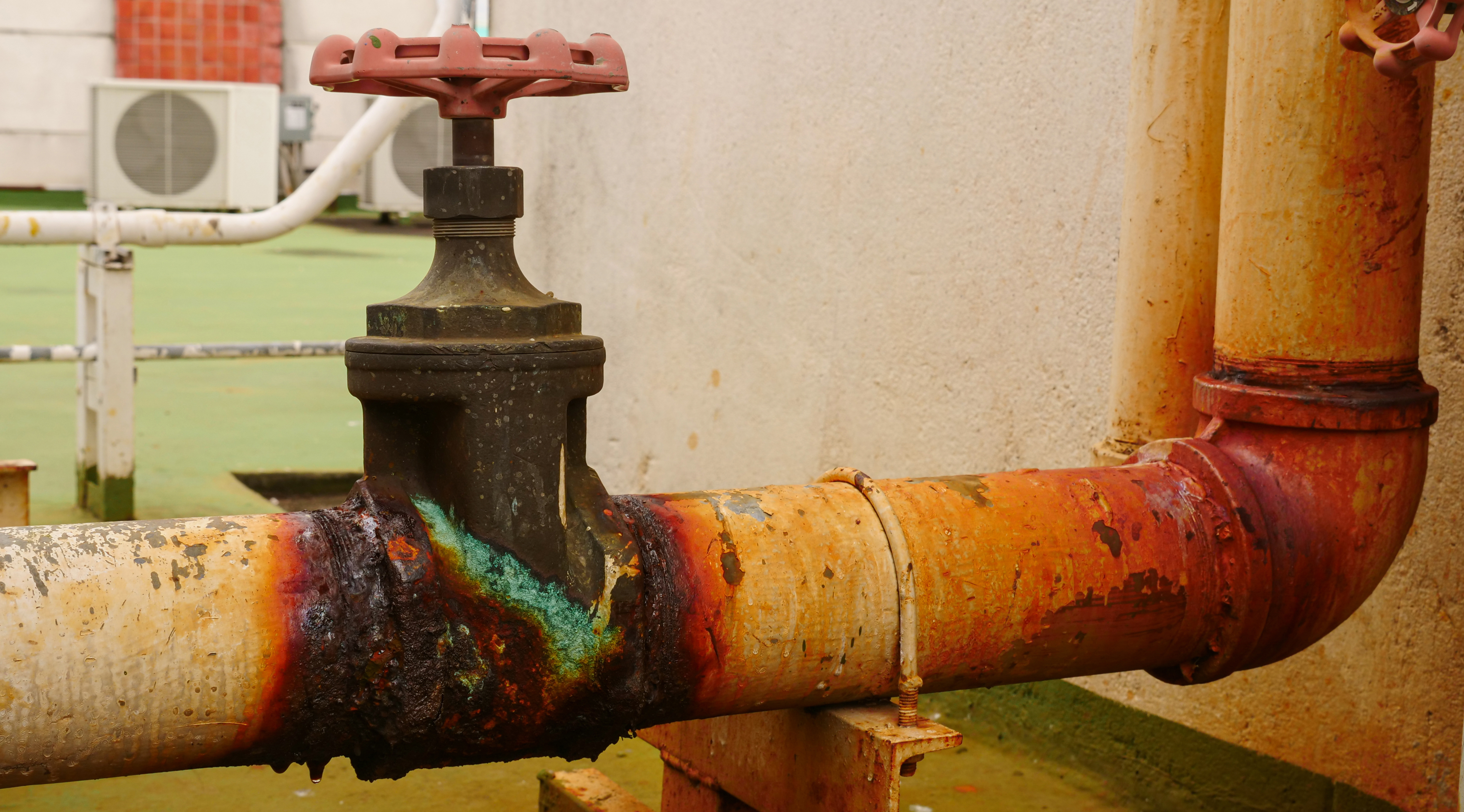
Visible Green or Blue StainingA clear sign of oxidation is the presence of greenish-blue stains on pipes or nearby fixtures.
- Found most often near joints, valves, or brackets.
- Caused by copper reacting with moisture and air over time.
Surface irregularities can signal internal problems.
- Dark spots or uneven color changes may suggest developing corrosion underneath.
- Pitting—tiny holes or surface indentations—can be hard to spot but are critical early indicators of internal breakdown.
Small, hard-to-spot pinhole leaks may be the result of internal corrosion.
- May show as damp spots on drywall, ceiling stains, or slight puddles under piping.
- Usually begins around joints or in horizontal pipe runs.
Internal scaling or pipe degradation can narrow the internal diameter.
- Reduced flow at taps, especially in older homes, might signal corrosion buildup.
- Inconsistent pressure in different parts of the home can point to partial pipe blockage.
Routine inspections may not be enough to catch hidden corrosion. A few technical methods improve accuracy.
Use of Infrared ThermographyThermal imaging helps detect temperature inconsistencies that indicate leaks or moisture.
- Especially useful in finished walls or ceilings.
- Can identify hidden leaks caused by pinholes or wall-side corrosion.
Testing your tap water can reveal conditions that favor corrosion.
- pH below 6.5 or chloride levels above 250 ppm increase risk.
- Fluctuations in copper content may suggest internal pipe wear.
For internal pipe assessments without cutting sections open.
- A flexible camera probe can inspect pipe interiors via cleanout access.
- Helps locate scale, pitting, and internal buildup.
Preventive strategies can slow or halt corrosion in older plumbing.
Stabilize Water ChemistryIf municipal or well water has unsuitable properties:
- Install a whole-house water neutralizer to correct low pH.
- Use a water softener to manage hardness and reduce scale.
- Monitor water regularly for corrosive minerals or imbalances.
Condensation can be minimized by adjusting the environment and protection.
- Use closed-cell pipe insulation in unconditioned spaces.
- Improve airflow in attics or crawl spaces where pipes are exposed.
Avoid mixing metal types without proper separation methods.
- Install dielectric unions between copper and steel pipes.
- Replace outdated galvanized segments with copper or PEX.
 Common QuestionsWhat does early corrosion on copper pipes look like?
It often appears as greenish-blue staining, dark spots, or tiny pitted areas on the surface. Joints and bends in the pipe are the most common starting points.
Are pinhole leaks always caused by corrosion?In older copper pipes, yes—especially if the water chemistry is aggressive or pitting has started. Pinhole leaks are one of the most common symptoms of internal corrosion.
Can you test for pipe corrosion without removing walls?Yes, borescope cameras and infrared thermal imaging can detect hidden leaks or scaling. Moisture sensors and pressure tests are also useful for closed systems.
How long do copper pipes last before corrosion begins?Most copper pipes last between 40–70 years, but corrosion can begin earlier if water is acidic or fittings are incompatible. Regular inspection after 30 years is recommended.
ConclusionOlder copper pipes can last decades, but early signs of corrosion shouldn’t be ignored. Visual changes like green stains, pitting, or moisture marks may be the first warning that internal wear is underway. Understanding how corrosion forms and using both simple inspections and technical diagnostics can help homeowners and professionals identify problems before costly damage occurs.
By taking preventative steps such as stabilizing water chemistry, using correct fittings, and performing occasional inspections, you can extend the life of older copper systems and reduce the likelihood of leaks or water quality issues.
FAQsWhat causes green buildup on copper pipes? Green buildup is copper oxide, which forms when copper reacts with moisture and oxygen. It’s a visual sign of oxidation, usually from condensation or small leaks.
Can water pressure issues mean pipe corrosion? Yes. Decreased flow or inconsistent pressure may result from internal scaling or narrowing caused by corrosion inside the pipe walls.
Is replacing all copper pipes necessary after corrosion starts? Not always. If corrosion is isolated, a partial replacement or pipe relining may be enough. Full replacement is considered when damage is widespread.
Can pipe corrosion affect drinking water safety? Yes. Corroded pipes can release copper into the water supply. Elevated copper levels may lead to taste changes or potential health concerns if consumed over time.
Do copper pipes rust like steel? No. Copper doesn’t rust, but it corrodes through oxidation and chemical reactions with water, which can still cause damage and failure over time.
Reviewer: Chloe Martinez brings 8 years of experience in home improvement. Feedback from Chloe helped shape this post to better support companies working to strengthen their reputation and expand their reach.