How to Choose the Right Alarm Response for Different Types of Events
Choosing the right alarm response for different types of events is essential for effective security. This guide explains how to match responses like security patrols, fire services, or technical teams to specific alarms. By understanding risks, property needs, and technology, you can ensure faster response, improved safety, and better protection for assets and people.
Introduction
Security threats can arise at any time, whether it is a break-in, fire, medical emergency, or even a system malfunction that disrupts normal operations. While installing an alarm system is an important first step in protecting your property, it is not enough on its own. The real effectiveness of any security setup depends on choosing the right alarm response strategy for different types of events. A properly planned response ensures that the situation is handled quickly, efficiently, and with minimal risk. Not all alarm responses work the same way, and relying on a single approach for every situation can lead to serious problems such as delayed action, higher risks, and unnecessary costs. This is why it is essential for both businesses and homeowners to understand how to match the right response with the right type of event. In this guide, we explore how selecting the correct alarm response can improve safety, enhance efficiency, and provide complete peace of mind.
Understanding Alarm Response Systems
An alarm response system is a structured and coordinated process that is activated the moment a security alarm is triggered. It begins with detecting an issue such as an intrusion, fire, or panic situation, followed by transmitting a signal to a monitoring center. Once the alert is received, it is verified using available data, and then the appropriate response team is dispatched to handle the situation. The overall effectiveness of this system depends largely on how well the response is aligned with the specific type of event, as different situations require different levels of urgency and expertise.
Why Choosing the Right Alarm Response Matters
Choosing the right alarm response is not just a matter of convenience; it plays a direct role in determining the outcome of any emergency. A well-matched response ensures that emergencies are handled quickly and correctly, reducing the chances of damage or harm. It also helps minimize unnecessary costs that may arise from false alarms or incorrect dispatches. More importantly, it enhances the overall safety of people and property while ensuring compliance with industry regulations that often require specific response protocols for different alarm types.
Types of Alarm Events
To effectively choose the right response, it is important to understand the different types of alarm events that can occur. Intruder alarms are triggered by unauthorized access or suspicious movement within a property. Fire alarms are activated when smoke, heat, or flames are detected, requiring immediate attention. Panic alarms are used in urgent situations where personal safety is at risk, such as during an attack or medical emergency. Environmental alarms are related to hazards like gas leaks, flooding, or extreme temperature changes, while system fault alarms indicate technical issues or malfunctions within the security system itself. Each of these events requires a different level of response and expertise.
Matching Alarm Response to Event Types
Different alarm events require carefully tailored responses to ensure effective handling. For intruder alarms, a rapid physical response is essential to deter potential criminals and secure the premises. This often involves mobile security patrols, keyholding services, or police intervention if the threat is verified. In the case of fire alarms, immediate action is critical because fires can spread quickly, making it necessary to involve fire services, initiate evacuation procedures, and conduct safety checks. Panic alarms demand urgent attention as they are often linked to personal safety, requiring instant dispatch of security personnel or emergency services along with real-time communication. Environmental alarms, such as gas leaks or flooding, require a more specialized response involving technical teams or emergency services depending on the severity of the hazard. On the other hand, system fault alarms do not usually require emergency intervention but instead need technical support, diagnostics, and maintenance to restore proper functionality. By understanding these differences, it becomes easier to implement the most appropriate response strategy for each scenario.
Key Factors to Consider When Choosing Alarm Response
Selecting the right alarm response also depends on several important factors. The type of property plays a major role, as residential properties focus more on personal safety, while commercial and industrial properties prioritize asset protection and operational continuity. Location is another key factor, as urban areas typically have faster response times compared to remote locations that may require additional planning. The level of risk associated with the property also influences the response strategy, with high-risk environments needing more advanced security measures. Budget considerations are equally important, as investing in the right response system can prevent costly damages in the future. Additionally, the integration of modern technology such as CCTV, artificial intelligence, and remote monitoring systems significantly enhances the efficiency and accuracy of alarm responses, making them more reliable and effective.
Alarm Response Options Available
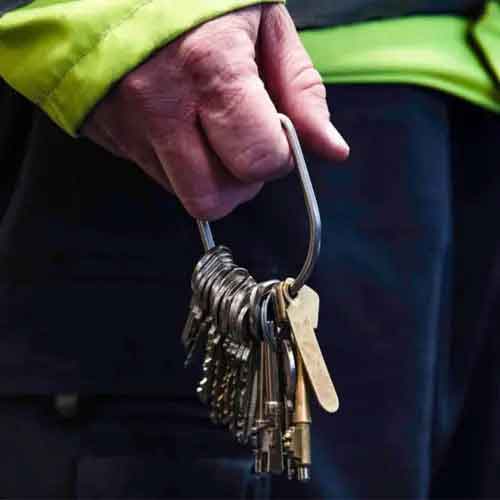
There are several alarm response options available, each designed to meet different security needs. Keyholding and alarm response services allow a professional security company to manage your property keys and respond to alarms on your behalf, ensuring quick and safe access during emergencies. Mobile patrol units provide on-ground security presence and can respond rapidly to any alerts. Remote monitoring services enable operators to assess situations through cameras and sensors before dispatching responders, reducing false alarms. Integration with emergency services ensures that police, fire, or medical teams are contacted immediately when required, providing a comprehensive security solution.
Common Mistakes to Avoid
Many people make the mistake of using the same response strategy for all types of alarms, which can lead to inefficiencies and increased risks. Ignoring false alarm management is another common issue, as frequent false alerts can reduce the effectiveness of the system. Choosing low-cost services without considering quality can compromise safety, while failing to regularly test and maintain alarm systems can result in failures during critical moments. Avoiding these mistakes is essential for maintaining a reliable and effective security setup.
Best Practices for Effective Alarm Response
To ensure the best results, it is important to adopt certain best practices. Regular risk assessments help identify potential vulnerabilities, while integrated security systems provide a more comprehensive approach to protection. Training staff on emergency procedures ensures that everyone knows how to respond in critical situations. Partnering with a reliable security provider adds an extra layer of expertise, and regularly testing and updating systems ensures they remain functional and effective at all times.
The Role of Technology in Modern Alarm Response
Technology has transformed the way alarm response systems operate, making them more efficient and accurate. Artificial intelligence helps reduce false alarms by analyzing patterns and detecting real threats more effectively. Smart devices allow users to monitor and control their systems remotely, while cloud-based platforms provide easy access to data and reports. Automated dispatch systems further enhance response times by ensuring that the nearest and most appropriate team is sent to handle the situation.
Future Trends in Alarm Response
The future of alarm response is shaped by continuous advancements in technology. Automation is becoming more widespread, enabling faster and more reliable responses. Integration with smart city infrastructure is creating more connected and efficient security networks. Predictive analytics is helping identify potential threats before they occur, and improved mobile connectivity is ensuring seamless communication between monitoring centers and response teams.
Conclusion
Choosing the right alarm response for different types of events is essential for maintaining a strong and effective security system. Each type of alarm requires a tailored approach to ensure that the situation is handled quickly and efficiently. By understanding the nature of different alarm events, considering key factors such as property type and risk level, and leveraging modern technology, it is possible to create a reliable alarm response strategy. Investing in the right approach not only protects property and assets but also ensures the safety and well-being of everyone involved.


Casino en Ligne avec reseauconsigne : Une Expérience Immersive
Casino en Ligne avec reseauconsigne : Une Expérience Immersive



Best Roses for East Bay Gardens | Evergreen Nursery
Find the best roses for East Bay gardens and monarch plants to pair with them, from diseas...