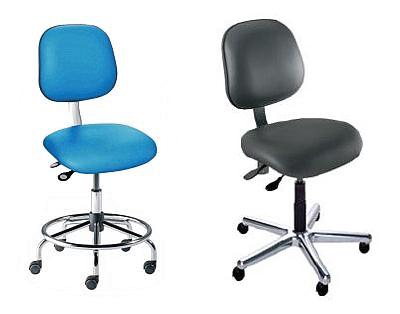

How to Choose Cleanroom Chairs for Long Work Sessions?
If you spend long hours working in a controlled environment, the chair you use can directly affect your comfort, concentration, and productivity. A poorly designed chair may cause fatigue, back pain, and poor posture, while an ergonomically designed cleanroom chair supports your body and helps you maintain focus throughout the day.
Choosing the right cleanroom chair involves more than selecting a comfortable seat. You also need to consider cleanroom compatibility, material quality, adjustability, durability, and compliance with your facility's cleanliness standards. This guide explains the essential factors you should evaluate before making your decision.
Why the Right Cleanroom Chair MattersYour cleanroom environment is designed to minimize contamination and maintain strict air quality standards. Every piece of furniture, including chairs, should support those objectives without compromising worker comfort.
When you choose a chair specifically designed for cleanroom applications, you benefit from:
- Improved posture during extended work sessions
- Reduced operator fatigue
- Better productivity and concentration
- Lower particle generation
- Easier cleaning and maintenance
- Long-lasting performance in controlled environments
Whether you work in pharmaceuticals, biotechnology, electronics manufacturing, medical device production, or semiconductor facilities, selecting the proper seating is an important investment.
Prioritize Ergonomic DesignOne of the most important features of a cleanroom chair is ergonomic support. Long working hours place continuous stress on your back, shoulders, and legs.
Look for chairs that include:
- Adjustable seat height
- Lumbar support
- Adjustable backrest angle
- Comfortable seat cushioning
- Proper seat depth
- Foot ring for elevated workstations
- Smooth movement without excessive strain
An ergonomic chair encourages proper posture, reducing discomfort during repetitive laboratory tasks.
Select Cleanroom-Compatible MaterialsUnlike traditional office furniture, cleanroom chairs must be manufactured using materials that minimize contamination.
Common cleanroom-friendly materials include:
- Polyurethane seating
- Stainless steel components
- Chrome-plated steel frames
- Conductive casters for ESD-sensitive environments
- Non-porous surfaces
These materials resist chemicals, prevent particle accumulation, and withstand frequent cleaning using approved disinfectants.
If you are comparing long-lasting ergonomic Cleanroom Chairs for contamination-controlled laboratories, always verify that the materials are appropriate for your cleanroom classification.
Match the Chair to Your Cleanroom ClassificationNot every cleanroom chair is suitable for every controlled environment.
Before purchasing, determine:
- ISO cleanroom classification
- Required cleanliness standards
- Static control requirements
- Chemical exposure levels
- Moisture resistance needs
For example, semiconductor manufacturing often requires ESD-safe seating, while pharmaceutical facilities may prioritize chemical-resistant surfaces and easy sanitization.
Matching your chair specifications to your operational requirements helps maintain compliance and reduce contamination risks.
Evaluate Adjustability for Long Work SessionsEvery operator has different physical requirements.
A highly adjustable chair allows each user to customize their seating position for maximum comfort.
Features worth considering include:
- Adjustable armrests
- Seat tilt adjustment
- Backrest tension control
- Foot ring height adjustment
- Swivel functionality
- Locking mechanisms
Greater adjustability improves posture and reduces strain during extended laboratory procedures.
Consider Durability and MaintenanceCleanroom furniture experiences frequent cleaning with disinfectants, alcohol-based solutions, and laboratory chemicals.
Choose chairs designed for:
- Daily sanitization
- Heavy-duty laboratory use
- Scratch resistance
- Chemical resistance
- Corrosion resistance
High-quality construction reduces replacement costs while maintaining reliable performance over many years.
Routine inspections also help identify worn casters, damaged upholstery, or loose components before they become safety concerns.
Think About Mobility and StabilityMany laboratory professionals move frequently between instruments, workstations, and testing areas.
Your chair should provide smooth movement without compromising stability.
Consider:
- Five-point base design
- High-quality cleanroom casters
- Glides for stationary workstations
- Stable weight distribution
- Strong frame construction
The right balance between mobility and support improves workflow efficiency.
Support Employee Health and ProductivityComfort directly influences productivity.
When employees remain comfortable throughout long work sessions, they are more likely to:
- Maintain focus
- Reduce unnecessary movement
- Improve precision
- Experience less fatigue
- Reduce musculoskeletal strain
Investing in quality cleanroom seating benefits both employee well-being and operational efficiency.
Verify Compliance StandardsBefore purchasing, confirm that your chairs meet applicable cleanroom requirements.
Depending on your industry, verify compatibility with:
- ISO cleanroom standards
- ESD protection requirements
- Laboratory safety guidelines
- Manufacturing quality systems
- Facility cleaning protocols
Working with experienced cleanroom equipment manufacturers helps ensure compliance with industry expectations.
If you're searching for trusted cleanroom laboratory equipment manufacturers offering ergonomic seating solutions, explore the solutions available from CleaTech LLC, which offers equipment designed for controlled environments across multiple industries.
Compare Total Value Instead of PriceThe least expensive chair may cost more over time if it wears out quickly or causes operator discomfort.
Instead, evaluate:
- Product lifespan
- Maintenance requirements
- Warranty coverage
- Ergonomic features
- Material quality
- Compliance certifications
A durable cleanroom chair often delivers better long-term value through improved reliability and reduced replacement costs.
Work with a Trusted SupplierChoosing the right supplier is just as important as choosing the right chair.
An experienced manufacturer understands:
- Cleanroom regulations
- Industry-specific applications
- Product customization
- Material compatibility
- Ergonomic design
Professional guidance ensures you purchase seating that matches your laboratory's operational needs rather than relying solely on general furniture specifications.
If you need assistance selecting the ideal cleanroom seating for your laboratory or production facility, Contact us today to discuss your application with experienced cleanroom specialists.
ConclusionSelecting the right cleanroom chair requires balancing comfort, cleanliness, durability, ergonomics, and compliance. When you choose seating specifically engineered for controlled environments, you create a safer, more productive workspace while supporting employee health during long work sessions.
By evaluating ergonomic features, cleanroom-compatible materials, adjustability, maintenance requirements, and industry standards, you can confidently invest in seating that delivers lasting performance. The right cleanroom chair is more than furniture—it is an essential component of an efficient and contamination-controlled laboratory.
Frequently Asked QuestionsWhy are cleanroom chairs different from regular office chairs?
Cleanroom chairs use low-particle, easy-to-clean materials that help maintain contamination control while providing ergonomic support.
What material is best for cleanroom chairs?
Polyurethane and stainless steel are popular choices because they resist chemicals, generate minimal particles, and are easy to sanitize.
Are ergonomic cleanroom chairs worth the investment?
Yes. Ergonomic chairs improve comfort, reduce fatigue, support proper posture, and help increase productivity during long work sessions.
Can cleanroom chairs be used in ESD-sensitive environments?
Yes. Many cleanroom chairs are available with ESD-safe components designed for electronics and semiconductor manufacturing.
How often should cleanroom chairs be cleaned?
Cleanroom chairs should be cleaned according to your facility's sanitation schedule using approved cleaning agents to maintain contamination control.
Original Source: https://laboratoryquipment.blogspot.com/2026/08/how-to-choose-cleanroom-chairs-for-long.html