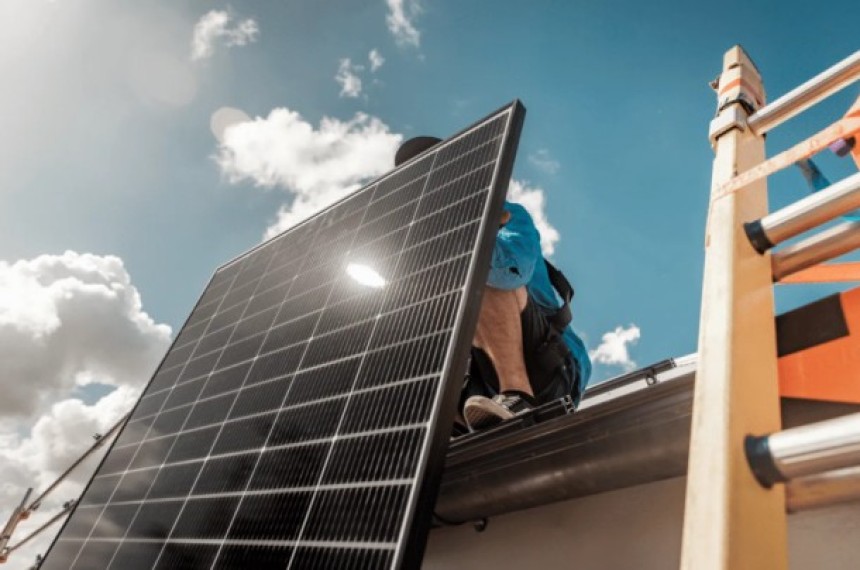

How to Choose a Solar Battery Size: A Complete Guide for Australian Homes
As solar energy continues to gain popularity across Australia, more homeowners are installing solar batteries to store excess electricity for use during the night or blackouts. But one common and critical question remains: how to choose the right solar battery size? Selecting the right solar battery size is essential for maximising your energy savings, maintaining backup power, and ensuring a solid return on your solar investment. This guide will walk you through everything you need to consider when choosing the right solar battery size for your home, helping you make an informed and cost-effective decision. ✅ Why Solar Battery Size Matters The size of your solar battery, typically measured in kilowatt-hours (kWh), determines how much energy it can store and supply. If your battery is too small, you may still rely heavily on grid electricity. If it’s too big, you could overspend on storage capacity you don’t need. Getting the right battery size means: Better energy self-sufficiency Reduced electricity bills Maximised use of solar energy Enhanced backup during power outages 🔋 Step 1: Understand Battery Capacity – Usable vs Total Not all the capacity of a solar battery is usable. Manufacturers often list two values: Total capacity: The full size of the battery in kWh. Usable capacity: The actual energy available for use. For instance, a 10 kWh battery might only offer 9.5 kWh of usable storage, depending on the battery’s depth of discharge (DoD). Look for batteries with a high usable capacity (usually >90%) to get the most value. 🔌 Step 2: Assess Your Household Energy Usage Before choosing a battery size, review your energy consumption. Check your energy bills for: Average daily usage in kilowatt-hours (kWh) Peak times of usage (day/night/weekends) Seasonal variations in energy demand In Australia, most homes use 15–25 kWh/day on average. However, your battery doesn't need to cover your full daily load—just the amount you'd like to power during the night or in a blackout. A rough rule of thumb: Daily Usage (kWh) Recommended Battery Size (kWh) 10–15 kWh/day 5–7 kWh battery 15–25 kWh/day 7–10 kWh battery 25+ kWh/day 10–13 kWh battery ☀️ Step 3: Analyse Your Solar PV System Output The size of your solar battery must match the production of your solar panel system. For example, if you have a 6.6kW solar system that generates around 25 kWh/day, and you consume only 18 kWh/day, a battery size of around 5–10 kWh might be sufficient to store excess energy for nighttime use. If your system doesn’t produce much surplus energy, then investing in a large battery may not yield a good return. 🧰 Step 4: Define Your Usage Goals Are you getting a battery to: Reduce electricity bills? Provide backup during blackouts? Achieve energy independence? For bill reduction, choose a size that allows you to store daytime excess and use it at night. For blackout protection, you may need a larger battery plus an inverter with backup capability. For complete off-grid living, a very large battery bank combined with solar panels and a generator may be required. ⚙️ Step 5: Consider Battery Types and Efficiency Different battery technologies offer varying efficiency and longevity: Lithium-ion (Li-ion): Most popular in Australia. High efficiency (90%+), compact, and long-lasting. Lead-acid: Cheaper, but lower efficiency and lifespan. Saltwater or flow batteries: Emerging options, less common, eco-friendly. For residential solar systems, lithium-ion batteries are generally the best choice. Also, consider the round-trip efficiency (how much energy you get out vs what you put in). Look for >90% efficiency ratings. 🧮 Step 6: Calculate Your Return on Investment (ROI) Solar batteries can be a significant upfront investment. In 2025, prices in Australia range from: 5 kWh system: $5,000–$7,000 10 kWh system: $9,000–$13,000 To determine your ROI, factor in: Battery cost Electricity savings Feed-in tariffs (FiTs) Battery lifespan (usually 10 years or more) Available solar rebates or incentives in your state A properly sized battery that offsets expensive peak electricity rates will often pay for itself faster. 📍 Example Scenario Let’s say you have: A 6.6kW solar panel system Daily energy use: 20 kWh Solar generation: 25 kWh/day Night-time use: 10 kWh In this case, a 7–10 kWh battery is ideal. It allows you to store excess solar and use it at night, with minimal reliance on the grid. 🌏 Local Rebates and Incentives Australia offers a range of solar battery rebates depending on your location: VIC: Solar Homes Program – up to $2,950 rebate NSW: Empowering Homes – interest-free loans (closed in 2024, subject to reopening) SA: Home Battery Scheme (closed, but some support remains) QLD & WA: Smaller programs or trial offers Check with your state government or Clean Energy Council for current incentives. 🧠 Final Tips Before You Buy Always choose a CEC-approved battery and installer Ask for a detailed proposal that includes usage analysis Don’t oversize—match the battery to your needs Consider future scalability—some batteries are modular Factor in blackout functionality if needed 📌 Conclusion Choosing the right solar battery size doesn’t have to be overwhelming. Start by understanding your energy usage, solar generation, and storage goals. Then, match your needs with a battery size that balances cost, performance, and long-term savings. In a country like Australia, where sunshine is abundant and electricity prices are rising, investing in a correctly sized solar battery can empower you to take control of your energy future. For More Details Visit our website: https://www.pscenergy.com.au/blog/how-to-choose-solar-battery-size/
ICSI vs IVF Difference: Understanding Fertility Treatment
ICSI vs IVF Difference: Understanding Fertility Treatment Many couples exploring fertil...




Department of Computer Engineering Laboratories for Technical Skill De...


السِّلْمُ الاجْتِمَاعِيُّ: مَسْؤُولِيَّةٌ تَجْمَعُنَا وَأَمَانٌ يَحْمِ...

Book Affordable Skip Bin Near Adelaide | GoGo Skip Bins
Planning to clean your home this weekend or remove old rubbish from your property? You don...