How Spray Foam Insulation Seals Air Leaks and Enhances Comfort in New Lenox Homes
SPFA data (2023) confirms that homes with professionally installed spray foam report 98% air infiltration reduction compared to standard insulation methods.

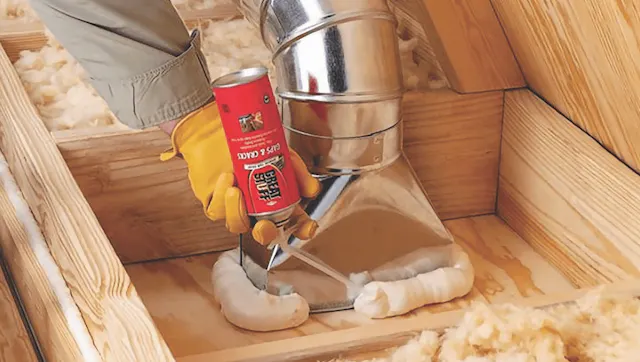
Spray foam insulation acts as both an insulator and air sealant, addressing two critical performance issues in Lenox homes—energy loss and indoor discomfort caused by uncontrolled airflow. When applied, the foam expands into cracks and gaps in attics, crawlspaces, wall cavities, and rim joists, creating a continuous thermal envelope. This prevents outside air from entering and conditioned air from escaping, significantly improving indoor comfort and energy efficiency.
Lenox's fluctuating Midwest climate—with humid summers and frigid winters—demands insulation that handles both temperature extremes and moisture migration. Spray foam’s unique ability to control air infiltration helps stabilize indoor temperatures year-round while minimizing the strain on HVAC systems. This content provides an expert analysis backed by field experience and technical precision, tailored for homeowners in Lenox considering a durable insulation solution.
How Spray Foam Works to Seal Air Leaks
Spray foam insulation chemically expands upon application, filling cavities and hard-to-reach spaces where traditional insulation leaves gaps. The seal it creates blocks both air and moisture movement, unlike fiberglass or cellulose that only insulate against heat.
Technical Function and Performance Data
Property
Closed-Cell Spray Foam
Open-Cell Spray Foam
R-Value per Inch
~6.5
~3.7
Air Barrier at ≥ Thickness
1.5”
3.5”
Vapor Barrier
Yes (Class II)
No
Water Resistance
High
Low
Structural Rigidity
Increases wall strength
Minimal impact
Expansion Ratio
30-50x
100x
Sound Dampening
Moderate
High
Climate-Specific Considerations for Lenox Homes
Lenox experiences approximately 35 inches of snow annually and prolonged humidity during warmer months. These environmental pressures lead to common insulation failures such as condensation in walls and cold floors.
Spray foam directly addresses:
- Ice damming prevention: By sealing attic air leaks, it maintains roof deck temperature and stops snow melt-refreeze cycles.
- Humidity control: The vapor-retardant properties of closed-cell foam limit moisture transfer from outside, protecting wood and drywall.
- Draft elimination: Seals rim joists and sill plates where cold air typically infiltrates during winter.
Bonus Tip:
For unvented attics, applying spray foam directly to the roof deck eliminates the need for traditional ceiling insulation—minimizing thermal bridging and creating a semi-conditioned space that improves whole-house energy performance.
Comparison with Other Insulation Options
Feature
Spray Foam
Fiberglass
Cellulose
Air Seal
Yes
No
No
R-Value Longevity
Maintains over time
Degrades with moisture
Settles over time
Moisture Resistance
High (Closed-Cell)
Poor
Moderate
Mold Prevention
Excellent
Poor
Moderate
Installation Intrusion
Expands into gaps
Requires cutting/fitting
Blown, may miss tight gaps
Cost
Higher initial, lower lifetime
Low upfront
Moderate
Source: U.S. Department of Energy, Building America Program (2023)
Things to Consider Before Making a Decision
Before investing in spray foam insulation for a Lenox property, assess the following:
- Building Age and Construction: Older homes may need prep work, such as removing existing insulation or addressing ventilation.
- Moisture History: Water intrusion or high humidity levels must be addressed before sealing the building envelope.
- Budget Prioritization: Closed-cell foam is more expensive upfront but provides long-term value in energy savings and reduced HVAC wear.
- Desired Performance: Decide between open-cell (better for sound control) and closed-cell (better for air/moisture control and structure).
- Code Compliance: Some applications, like attics or crawlspaces, may require ignition barriers or thermal coatings to meet fire safety codes.
Bonus Tip:
A professional home performance evaluation can identify hidden air leak paths and determine if a hybrid insulation strategy—spray foam in critical areas and other materials elsewhere—would be more cost-effective.
Common Questions Before Choosing Spray Foam
- Where is spray foam most effective in a home? Attics, rim joists, crawlspaces, and wall cavities near plumbing or ductwork are prime locations for sealing.
- Will spray foam insulation reduce my utility bills? Yes. Sealing air leaks cuts energy loss significantly—homes typically save 20–40% on heating and cooling costs.
- Is spray foam safe for indoor air quality? Once cured, yes. Proper installation ensures chemicals fully react, leaving no harmful emissions.
- Can I insulate just parts of my home with spray foam? Yes. Targeting problem areas like attics and crawlspaces can still deliver noticeable comfort improvements.
- Does it require maintenance or reapplication? No. Properly installed spray foam does not degrade or settle and lasts the lifetime of the structure.
Professional Services Available for Homes in Lenox
The following insulation and building performance services are designed to address diverse structural needs across residential, commercial, and agricultural properties in Lenox:
- Residential Insulation – Enhances comfort and reduces energy use by sealing thermal gaps in homes of all sizes and ages.
- Commercial Insulation – Increases building performance and operational efficiency in offices, warehouses, and retail structures.
- Retrofit Insulation – Upgrades outdated or underperforming insulation systems to meet modern energy and comfort standards.
- Spray Foam Roofing – Creates seamless, insulated roofing systems that combine durability with thermal resistance.
- Roof Coatings – Add reflectivity and water protection to roofing surfaces, extending their functional lifespan.
- Attic Insulation – Targets heat loss and gain at the roofline using strategic air sealing and foam application methods.
- Crawlspace Encapsulation – Controls moisture, air, and pests by sealing and insulating crawlspace foundations.
- Home Performance Evaluation – Diagnoses energy inefficiencies and recommends targeted insulation or air-sealing improvements.
- Sound Attenuation Insulation – Reduces noise transmission between rooms and floors in both residential and commercial applications.
- Pole Barn Insulation – Insulates agricultural and utility structures for temperature control and moisture resistance.
- Intumescent Coatings – Provides fire-retardant barriers over spray foam where required by code, enhancing safety.
- Blown-In Insulation – Fills existing cavities with cellulose or fiberglass for added thermal resistance in inaccessible spaces.

Integrated Market Insights
Energy Star reports that sealing and insulating can reduce HVAC energy demand by up to 20% in cold climates like Illinois (EnergyStar.gov, 2024).
SPFA data (2023) confirms that homes with professionally installed spray foam report 98% air infiltration reduction compared to standard insulation methods.
FAQ About Long-Term Use and OptimizationHow long does spray foam last in a home?
Spray foam insulation can last over 50 years with no settling or deterioration under normal conditions.
Can spray foam be removed or replaced later?
While not easy to remove, it can be trimmed or partially replaced during renovations if needed. Removal requires professional equipment.
What if pests are already in my attic or crawlspace?
Infestation must be addressed first. Spray foam can deter future pests by sealing entry points, but it’s not a remedy for existing activity.
Is it compatible with HVAC and ventilation systems?
Yes, but systems may need rebalancing due to the tighter building envelope. A post-installation energy audit is recommended.
Does spray foam qualify for tax credits or rebates?
In many areas, yes. Check local energy programs; federal tax credits under the Inflation Reduction Act also apply for qualifying installations.
Ready to Achieve Airtight Comfort?
Sealing air leaks and improving energy efficiency is achievable with spray foam—especially in climates like Lenox's where seasonal extremes strain comfort and utility bills. Apply these insights now: Schedule your insulation assessment with South Chicago Insulation.
Contact: South Chicago Insulation 📞 (779) 803-8025 📧 [email protected]
Author and Reviewer: Author: Bob Gasca attended his first spray foam training in 2007 and has continued to pursue yearly trainings to stay current with the latest technology and practices. He is a certified Spray Foam Master Installer through the SPFA and a member of the SPFA. Additionally, Bob serves as a Spray Foam Worldwide Ambassador, sharing information with spray foam professionals globally. Recently, he returned from a building science training, where he expanded his knowledge on how weather conditions affect home performance, helping him better diagnose and improve home health for families. Bob specializes in finding solutions to complex moisture and air infiltration issues.
Reviewer: Noah Gonzalez reviewed this article and drew on 9 years of experience to offer suggestions that make the guidance more directly useful for insulation contractors.
How Can Software Development Companies in Kuwait Automate Business Wor...
Discover how a software development company in Kuwait can automate manual workflows, reduc...


Do Window Graphics Block Sunlight? A Guide to Light, Privacy, and Visi...




¿Qué debe saber antes de comprar Kamagra en línea?
No debes confundir la popularidad de un producto con su seguridad. Antes de utilizarlo, co...