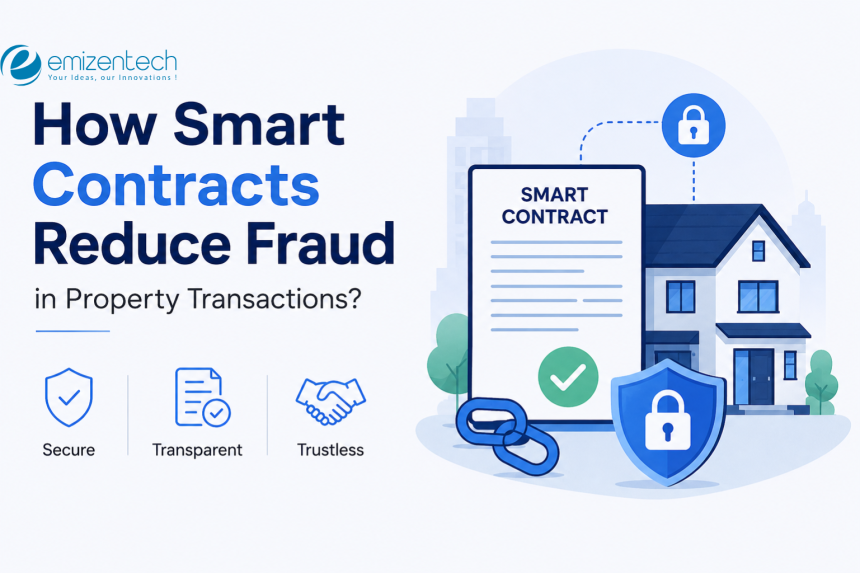

How Smart Contracts Reduce Fraud in Property Transactions?
Learn how smart contracts reduce fraud in property transactions through automation, transparency, secure payments, and blockchain-based verification.
Property transactions often involve large financial investments, multiple stakeholders, and extensive paperwork. While these processes help verify ownership and legal compliance, they can also create opportunities for fraud, document manipulation, and payment disputes. As digital technologies continue to reshape the real estate sector, smart contracts have emerged as a reliable solution for improving transparency and security. Built on blockchain technology, these automated agreements execute predefined conditions without requiring manual intervention. By reducing reliance on intermediaries and creating tamper-resistant records, smart contracts are helping make property transactions safer, faster, and more trustworthy.
Smart contracts are self-executing digital agreements stored on a blockchain network. They automatically perform specific actions when predetermined conditions are met, eliminating the need for manual processing. In real estate, smart contracts can manage tasks such as property transfers, payment releases, ownership verification, and contract enforcement.
Because all transaction data is recorded on a decentralized ledger, participants can access a transparent and verifiable history of events. This reduces the possibility of misunderstandings and fraudulent activities. As the real estate industry adopts digital transformation initiatives, smart contracts are becoming an important tool for streamlining transactions while improving trust between buyers, sellers, and other involved parties.
Traditional property transactions involve numerous manual processes, making them vulnerable to different forms of fraud. Understanding these risks highlights the value of digital transaction systems.
Document ForgeryFraudsters may alter ownership records, contracts, or legal documents to misrepresent property rights. Detecting forged paperwork can be difficult, especially when records are stored across multiple systems.
Identity MisrepresentationSome individuals use fake identities or stolen personal information to impersonate legitimate property owners or buyers. This can lead to unauthorized sales and significant financial losses.
Double Selling of PropertiesUnscrupulous sellers may attempt to sell the same property to multiple buyers before ownership records are officially updated, creating legal disputes and confusion.
Payment ManipulationManual payment processes can expose buyers and sellers to fraud involving fake payment confirmations, diverted funds, or unauthorized transaction modifications.
Smart contracts introduce automation, transparency, and security into real estate transactions, significantly reducing opportunities for fraudulent behavior.
Immutable Transaction RecordsEvery transaction recorded on a blockchain becomes permanent and cannot be altered without network consensus. This creates a trustworthy audit trail that helps prevent document tampering.
Automated Verification ProcessesSmart contracts can automatically verify ownership details, transaction requirements, and participant credentials before executing actions, reducing human errors and fraudulent claims.
Secure Payment ExecutionFunds are released only when predefined conditions are satisfied. This prevents unauthorized payments and ensures all parties fulfill their obligations before transactions are completed.
Enhanced TransparencyAll authorized participants can view transaction details in real time. Greater visibility minimizes information asymmetry and helps identify suspicious activities before they escalate.
While fraud reduction is a major advantage, smart contracts also deliver several additional benefits that improve overall transaction efficiency.
Faster Transaction ProcessingAutomated workflows eliminate many manual approval stages, helping buyers and sellers complete property transactions more quickly than traditional methods.
Reduced Administrative CostsBy minimizing paperwork and reducing dependency on intermediaries, smart contracts can lower operational expenses associated with property transfers.
Improved AccuracyAutomation reduces the likelihood of data-entry mistakes, contract inconsistencies, and procedural errors that commonly occur during manual transaction handling.
Greater Trust Among StakeholdersTransparent and verifiable transaction records help build confidence among buyers, sellers, agents, and financial institutions involved in property deals.
Several technologies work together to enable secure and efficient smart contract implementation within the real estate sector.
Blockchain InfrastructureBlockchain serves as the foundation for storing transaction data securely and maintaining decentralized records that cannot be easily manipulated.
Digital Identity VerificationIdentity verification solutions help confirm the authenticity of participants, reducing risks associated with impersonation and fraudulent transactions.
Tokenization PlatformsProperty assets can be represented through digital tokens, making ownership transfers more transparent and simplifying transaction management processes.
Internet of Things IntegrationConnected devices can provide real-time property data that automatically triggers specific contract conditions when predefined requirements are fulfilled.
Smart contracts are already being explored and implemented across various real estate use cases to improve operational efficiency and security.
Property Ownership TransfersAutomated ownership transfers occur once payment and legal requirements are verified, reducing delays and administrative complexity.
Rental Agreement ManagementLandlords and tenants can automate rent collection, deposit handling, and contract renewals through digitally enforced agreements.
Property Investment PlatformsModern property investment ecosystems increasingly leverage web3 real estate app development to facilitate transparent transactions, fractional ownership, and secure investor participation.
Escrow AutomationSmart contracts can act as digital escrow mechanisms, securely holding funds until all contractual obligations have been satisfied by both parties.
Despite their benefits, smart contracts face several challenges that organizations must address before large-scale adoption becomes possible.
Regulatory UncertaintyLegal frameworks governing blockchain transactions and digital contracts continue to evolve, creating uncertainty for businesses operating across different jurisdictions.
Integration with Existing SystemsMany real estate organizations rely on legacy systems that may require significant modifications to support blockchain-based processes.
Technical ComplexityDeveloping, deploying, and maintaining secure smart contracts requires specialized expertise and careful testing to avoid vulnerabilities.
Data Accuracy ConcernsSmart contracts execute based on available information. Inaccurate external data can affect outcomes, making reliable data sources essential.
Organizations can maximize the effectiveness of smart contracts by following proven implementation strategies and security standards.
Conduct Thorough Contract AuditsIndependent security reviews help identify coding flaws and vulnerabilities before deployment, reducing risks associated with contract execution.
Ensure Regulatory ComplianceBusinesses should align smart contract processes with applicable legal and regulatory requirements to avoid future disputes and compliance issues.
Use Reliable Data SourcesTrusted data providers and verification mechanisms help ensure contracts receive accurate information for decision-making and execution.
Educate StakeholdersProviding training and awareness programs helps buyers, sellers, and industry professionals understand how smart contracts function and deliver value.
The future of smart contracts in real estate looks promising as blockchain adoption continues to grow across global markets.
Increased Industry AdoptionMore real estate firms are expected to integrate smart contracts into their transaction workflows to improve security and operational efficiency.
Greater Legal RecognitionGovernments and regulatory bodies are gradually developing frameworks that support legally enforceable digital agreements and blockchain-based transactions.
Expansion of Digital Property EcosystemsAdvancements in web3 real estate app development will continue to support innovative ownership models, investment opportunities, and decentralized property marketplaces.
Enhanced Automation CapabilitiesFuture smart contracts may leverage artificial intelligence and advanced analytics to automate increasingly complex real estate processes and decisions.
Smart contracts are reshaping the way property transactions are conducted by introducing automation, transparency, and security into traditionally complex processes. Their ability to create immutable records, verify conditions automatically, and execute agreements without manual intervention significantly reduces opportunities for fraud. Beyond fraud prevention, they improve efficiency, lower costs, and build trust among all transaction participants. Although challenges related to regulation and implementation remain, ongoing technological advancements continue to drive adoption. As the real estate industry evolves, solutions developed by organizations like EmizenTech can help businesses explore secure and future-ready digital transaction ecosystems.
Smart contracts are self-executing digital agreements that automatically enforce transaction terms on a blockchain network.
2.How do smart contracts prevent real estate fraud?They create immutable records, automate processes, verify ownership, and reduce opportunities for document tampering or payment manipulation.
3.Can smart contracts replace traditional property agreements?In many cases, they can automate key aspects of property transactions, although legal requirements may still vary by region.
4.Are smart contract-based property transactions secure?Yes, when properly designed and audited, they provide a highly secure and transparent transaction environment.
5.What is the biggest benefit of using smart contracts in real estate?The biggest advantage is increased trust through transparent, automated, and tamper-resistant transactions.
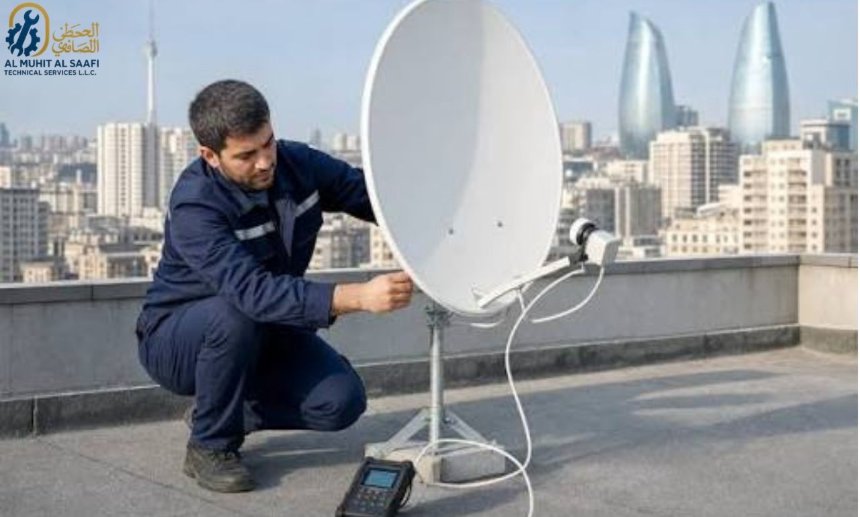

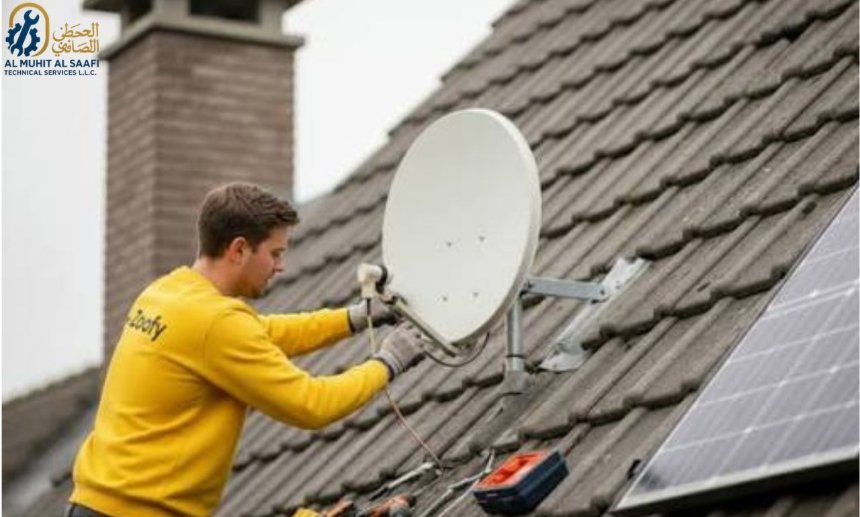
Dish Network Installers Near Me: Expert Satellite Dish Setup in Sharja...