
How Personal Trainers Help Women Build Strength and Confidence
Strength training is one of the most effective ways for women to improve their physical health, develop a stronger body, and build lasting confidence.
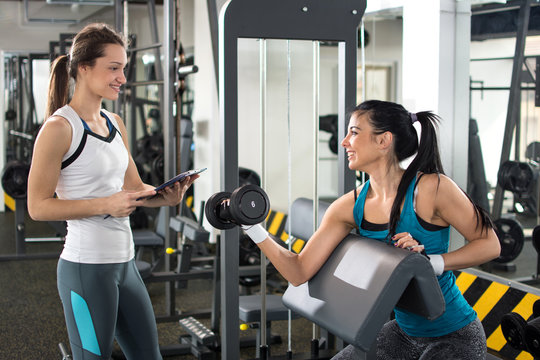
Strength training is one of the most effective ways for women to improve their physical health, develop a stronger body, and build lasting confidence. Whether a woman is beginning her fitness journey, returning to exercise after a long break, or working toward specific performance goals, professional guidance can make the process easier and more rewarding. Personal trainers provide structured workouts, practical advice, and ongoing motivation to help women achieve their fitness goals safely and effectively.
Working with experienced gym trainers women can also create a supportive environment where women feel comfortable learning new exercises, challenging themselves, and celebrating their progress. Beyond physical improvements, personal training can help women develop discipline, overcome self-doubt, and feel more confident in their everyday lives.
1. Creating Personalized Fitness Plans
Every woman has different fitness needs, abilities, and goals. Some want to build muscle, while others hope to improve endurance, increase flexibility, lose body fat, or become more active. A personalized fitness plan helps ensure that exercise routines match these individual objectives.
Personal trainers begin by assessing a client's current fitness level, exercise experience, movement patterns, and personal preferences. They can then develop a practical training program that gradually increases in difficulty as the client becomes stronger.
For example, a beginner may start with bodyweight squats, resistance band exercises, and light dumbbell movements. As her technique and strength improve, her trainer can introduce more challenging exercises and gradually increase resistance.
This personalized approach helps women avoid the frustration of following unsuitable workout routines. It also makes fitness more manageable by providing clear goals and achievable milestones.
2. Teaching Proper Exercise Techniques
Learning correct exercise techniques is essential for building strength effectively. Incorrect movements, excessive weights, and poor posture can increase the risk of injury and make workouts less productive.
A qualified personal trainer demonstrates exercises, observes movement patterns, and provides corrections when necessary. Women learning exercises such as deadlifts, lunges, squats, and overhead presses can benefit from this guidance, particularly when using free weights for the first time.
Trainers also teach clients how to select appropriate resistance, maintain control during repetitions, and recognize when they need rest. These skills help women develop confidence in their abilities and become more independent in the gym.
Proper technique is especially important for beginners who may feel intimidated by unfamiliar equipment. With patient instruction, they can gradually become comfortable using different machines and weights without feeling overwhelmed.
3. Building Physical Strength Gradually
Strength development requires consistency, appropriate resistance, and sufficient recovery. Personal trainers help women follow a progressive training plan instead of relying on random exercises or constantly changing routines.
One important principle is progressive overload, which involves gradually increasing the challenge placed on the muscles. Depending on the client's abilities, a trainer may increase the weight, add repetitions, improve movement control, or introduce more demanding exercises over time.
Resistance training can improve muscular strength, support everyday movements, and help maintain physical function. Stronger muscles can make activities such as carrying shopping bags, climbing stairs, lifting objects, and playing with children feel easier.
For women concerned about becoming excessively muscular, trainers can explain how muscle development depends on factors such as training intensity, genetics, nutrition, and consistency. A balanced strength program can be adapted to different body types and personal preferences.
4. Improving Confidence and Body Image
Fitness is not only about physical appearance. It can also change how women feel about themselves and their capabilities.
When women achieve a goal they once considered difficult, they gain evidence that they can overcome challenges through practice and persistence. Completing a challenging workout, lifting a heavier weight, or improving stamina can create a meaningful sense of accomplishment.
Supportive gym trainers women work with can help clients focus on improvements in strength, energy, mobility, and overall well-being rather than judging success solely by body weight or appearance.
Personal trainers can also encourage a healthier relationship with exercise by setting realistic expectations and acknowledging progress at every stage. Instead of comparing themselves with other gym members, women learn to measure success against their own starting points.
This shift in perspective can improve self-esteem and help women feel more comfortable in their bodies.
5. Providing Motivation and Accountability
Maintaining an exercise routine can be difficult when work, family responsibilities, and other commitments compete for attention. Personal trainers help clients stay accountable by scheduling sessions, tracking progress, and adjusting plans when circumstances change.
Having a scheduled workout can make it easier to establish a consistent routine. Trainers also provide encouragement during difficult sessions and help women recognize when they are capable of doing more than they initially expected.
Motivation naturally fluctuates, so a good trainer does not rely on encouragement alone. They help clients develop sustainable habits that continue even when enthusiasm is low.
Regular progress reviews can reinforce this process. Tracking improvements in lifting capacity, repetitions, workout consistency, or cardiovascular endurance gives women tangible evidence of their development.
Over time, these habits can help transform exercise from an occasional activity into a regular part of a healthier lifestyle.
6. Supporting Women's Different Life Stages
Women's fitness needs can change throughout their lives. Factors such as age, pregnancy, postpartum recovery, menopause, and changes in daily responsibilities may influence exercise preferences and training requirements.
An experienced trainer can adapt workout intensity, exercise selection, and recovery periods to suit a client's circumstances. For example, some women may benefit from lower-impact activities, while others may focus on maintaining muscle strength and improving balance as they age.
During pregnancy or after childbirth, exercise plans should account for individual medical needs and recovery status. Women should seek guidance from an appropriate healthcare professional when necessary, particularly when experiencing pain, pelvic floor symptoms, or other concerns.
A trainer with relevant qualifications can help implement suitable exercise recommendations while recognizing the limits of their professional role.
This flexible approach allows women to continue working toward realistic fitness goals without expecting every stage of life to follow the same routine.
7. Encouraging Healthy Habits Beyond the Gym
The benefits of personal training extend beyond individual workout sessions. Trainers can help women understand the importance of adequate sleep, balanced nutrition, hydration, recovery, and regular physical activity.
Muscles need time to recover after challenging workouts, and sufficient nutrition supports the body's adaptation to exercise. Trainers may offer general lifestyle guidance within their qualifications and recommend registered dietitians or other professionals for specialized nutritional needs.
They can also help clients create practical routines that fit their schedules. Short home workouts, walking sessions, and simple activity goals can complement gym training when attending the gym every day is unrealistic.
By focusing on sustainable habits rather than quick fixes, trainers help women build a healthier approach to fitness that can last for years.
8. Choosing the Right Personal Trainer
Finding a suitable trainer is an important part of achieving positive results. Women should look for professionals with recognized qualifications, practical experience, clear communication skills, and an understanding of individual training needs.
A good trainer listens carefully, explains exercises clearly, respects personal boundaries, and adjusts workouts according to progress and comfort. They should avoid unrealistic promises, extreme dieting advice, and pressure to achieve rapid physical changes.
It is also helpful to consider whether the trainer's coaching style matches the client's personality. Some women prefer energetic encouragement, while others respond better to calm instruction and detailed explanations.
A supportive professional relationship can make workouts more enjoyable and create an environment where women feel respected, capable, and motivated to improve.
About TheHealthAndFitnessCoach
TheHealthAndFitnessCoach is a brand name that can be associated with practical fitness guidance, healthier lifestyle habits, and personalized approaches to exercise. For women looking to improve strength and confidence, a fitness-focused resource can help reinforce the importance of consistency, realistic goal-setting, and long-term well-being.
By emphasizing sustainable progress and informed training decisions, thehealthandfitnesscoach can support women in developing a more positive relationship with physical activity. Individuals should always evaluate a fitness provider's qualifications, services, and approach to ensure they meet their personal needs.
Conclusion
Personal trainers can play an important role in helping women become stronger, more confident, and more consistent with exercise. Through personalized programs, proper technique instruction, progressive strength training, and ongoing encouragement, they make fitness more approachable and effective.
Working with experienced gym trainers women can also help women develop healthier habits, overcome gym anxiety, and recognize their physical capabilities. The most meaningful results often come from focusing on steady improvement rather than perfection.
Ultimately, strength and confidence develop through patience, practice, and supportive guidance. With the right trainer and a realistic plan, women can build the physical abilities and self-belief needed to enjoy a more active, independent, and fulfilling life.
Luxury Flower Delivery in Delhi NCR | Fresh Artisan Blooms
Discover the art of luxury floral gifting with expert tips on maintaining an unbroken cold...


Primavera P6 Interview Questions and Answers for Freshers and Experien...

ICSI vs IVF Difference: Understanding Fertility Treatment
ICSI vs IVF Difference: Understanding Fertility Treatment Many couples exploring fertil...


Department of Computer Engineering Laboratories for Technical Skill De...
