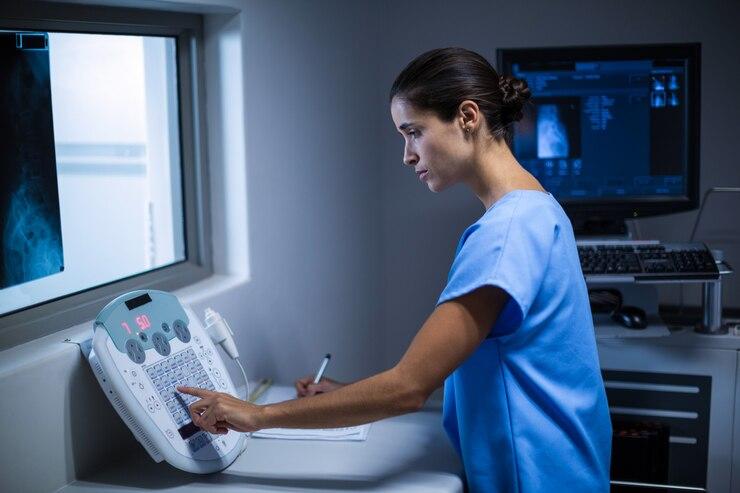

How Modern Imaging Helps Doctors Find Emergency Problems Faster
Learn how diagnostic imaging supports emergency care, including X-rays, CT scans, ultrasound, and MRI at ER of Forthworth.
Introduction
When a person arrives at an emergency room with severe pain, an injury, breathing problems, abdominal symptoms, or another sudden health concern, doctors need accurate information quickly.imaging servicescan help healthcare professionals look inside the body and identify problems that may not be visible during a physical examination. At ER of Forthworth, diagnostic imaging can support emergency evaluation and help medical professionals make informed decisions about treatment.
Modern imaging can be especially useful when symptoms may be caused by fractures, internal injuries, infections, bleeding, or other urgent conditions. The type of imaging used depends on the patient's symptoms, medical history, and physical examination.
What Are Diagnostic Imaging Services?Diagnostic imaging refers to medical tests that create pictures of structures inside the body. These pictures help doctors examine bones, organs, tissues, blood vessels, and other areas.
In an emergency setting, imaging can provide important information when a doctor needs to understand what is happening inside the body.
Common types of diagnostic imaging include:
- X-rays
- CT scans
- Ultrasound
- MRI scans
- Other specialized imaging tests
Each method has a different purpose. A healthcare professional determines which test is appropriate based on the patient's condition.
Why Imaging Is Important in Emergency CareEmergency symptoms can have many possible causes. For example, severe abdominal pain could result from several different conditions. Similarly, pain after a fall could involve a fracture, sprain, or internal injury.
Imaging can help doctors narrow down the possible causes.
Key benefits include:- Finding fractures and bone injuries
- Identifying internal injuries
- Examining organs and soft tissues
- Detecting certain infections or inflammation
- Supporting emergency diagnosis
- Helping doctors plan appropriate treatment
- Monitoring certain conditions when necessary
Imaging does not replace a physical examination. Instead, it works alongside the patient's symptoms, medical history, examination, and laboratory tests.
X-Rays for Emergency InjuriesX-rays are commonly used when doctors suspect a bone injury. They can provide images of bones and help identify many types of fractures.
An X-ray may be considered after:
- A fall
- A sports injury
- A workplace accident
- A vehicle accident
- A direct blow
- Sudden severe pain or swelling
For example, if someone falls and experiences significant wrist pain, an X-ray may help determine whether a fracture is present.
X-rays are generally quick, making them useful when emergency medical professionals need information without unnecessary delays.
CT Scans for More Detailed ImagesA CT scan creates detailed cross-sectional images of the body. It can provide more information than a standard X-ray for certain emergency conditions.
Doctors may consider CT imaging when they need to examine areas such as the:
- Head
- Chest
- Abdomen
- Pelvis
- Spine
- Certain blood vessels
For example, after a significant accident, a CT scan may help healthcare professionals evaluate possible internal injuries.
CT imaging can also be useful for certain abdominal problems, severe headaches, suspected internal bleeding, and other situations when detailed images are needed.
Ultrasound in Emergency EvaluationUltrasound uses sound waves to create images of structures inside the body. It does not use ionizing radiation.
Depending on the situation, ultrasound may help healthcare professionals examine:
- The abdomen
- Gallbladder
- Kidneys
- Certain blood vessels
- Soft tissues
- Pregnancy-related concerns
Ultrasound can be particularly helpful when doctors need to evaluate certain organs or soft tissues.
The decision to use ultrasound depends on the symptoms and the information the medical team needs.
MRI and Emergency ImagingMRI uses magnetic fields and radio waves to produce detailed images of the body's internal structures. It is especially useful for examining certain soft tissues.
MRI may help evaluate areas such as:
- The brain
- Spine
- Joints
- Muscles
- Ligaments
- Tendons
However, MRI is not necessary for every emergency. The medical team considers the urgency of the situation, the patient's condition, and the type of information required before recommending this type of imaging.
Patients should also tell medical professionals about certain implants, devices, or other factors that may affect MRI safety.
When Should You Consider Emergency Imaging?Not every ache or minor injury requires diagnostic imaging. However, sudden or severe symptoms may require prompt medical evaluation.
Seek emergency medical attention when symptoms are severe, rapidly worsening, or associated with a serious accident.
Examples include:
- Severe pain after an accident
- Suspected broken bones
- Significant swelling or deformity
- Severe abdominal pain
- Serious head injury
- Sudden neurological symptoms
- Difficulty breathing
- Chest pain
- Severe back or neck injury
- Unexplained internal bleeding symptoms
A healthcare professional can determine whether imaging is appropriate after evaluating the patient's condition.
How Doctors Decide Which Imaging Test to UseChoosing an imaging test is not simply about selecting the most advanced technology. The right test depends on the patient's specific situation.
Doctors may consider:
1. SymptomsThe location, severity, and duration of symptoms can help determine which area needs examination.
2. Medical HistoryPrevious injuries, surgeries, illnesses, medications, and other medical information can affect the decision.
3. Physical ExaminationThe doctor may examine movement, swelling, tenderness, breathing, neurological function, and other signs.
4. Type of Suspected ProblemDifferent imaging methods are better suited to different conditions.
5. UrgencyEmergency situations may require a test that can provide useful information quickly.
What to Expect During an Imaging TestThe experience depends on the type of examination.
For an X-ray, the patient may be asked to position the affected body part while images are taken.
During a CT scan, the patient usually lies on a table that moves through the scanner. Some CT examinations may involve contrast material when additional detail is needed.
During an ultrasound, a healthcare professional generally moves a handheld device over the skin using a special gel.
MRI examinations usually require the patient to remain still while the machine creates detailed images.
Before an examination, the medical team can explain the process and provide instructions based on the specific test.
Are Imaging Tests Always Necessary?No. Imaging is not automatically required for every emergency complaint.
Doctors generally recommend imaging when the expected information can help with diagnosis or treatment. Some minor conditions can be diagnosed through symptoms and physical examination alone.
Avoiding unnecessary testing can also help reduce exposure to radiation when radiation-based imaging is not needed.
The healthcare team should make the decision based on the individual patient's condition.
Imaging After Accidents and InjuriesAccidents can cause injuries that are difficult to recognize immediately. A person may experience pain without knowing whether the problem involves a bone, muscle, ligament, organ, or another structure.
Emergency imaging may help evaluate injuries following:
- Car accidents
- Workplace accidents
- Falls
- Sports injuries
- Construction accidents
- Physical trauma
- Household accidents
If an injury is serious, seeking medical evaluation quickly can help identify the problem and determine the next appropriate step.
How ER of Forthworth Supports Emergency EvaluationAt ER of Forthworth, patients with urgent symptoms can receive medical evaluation based on their individual needs. When a doctor believes diagnostic imaging is appropriate, imaging can provide additional information to support the evaluation.
The medical team can consider the patient's symptoms, examination findings, and medical history when determining the next step.
The goal of emergency evaluation is not simply to perform a test. It is to understand the patient's condition and provide appropriate care as efficiently as possible.
Important Questions to Ask About ImagingPatients may have questions before or after an imaging examination.
Useful questions include:
- Why do I need this imaging test?
- What part of my body will be examined?
- How long will the test take?
- Will I need contrast material?
- Are there any preparation instructions?
- When will the results be reviewed?
- What happens after the imaging is completed?
Asking questions can help patients understand their emergency evaluation and feel more comfortable with the process.
When Imaging Results Can Make a DifferenceAccurate information can be important when treatment decisions need to be made quickly.
For example, identifying a fracture may help doctors determine whether immobilization or another treatment is needed. Finding an internal injury may require urgent medical intervention. Imaging can also help healthcare professionals rule out certain serious problems.
The importance of imaging depends on the patient's condition. In some emergencies, it can provide information that would otherwise be difficult to obtain through a physical examination alone.
Frequently Asked QuestionsWhat are the most common types of diagnostic imaging?Common types include X-rays, CT scans, ultrasound, and MRI. The appropriate test depends on the patient's symptoms and suspected condition.
Is an X-ray enough to diagnose every injury?No. X-rays are useful for many bone injuries, but some conditions may require CT, MRI, ultrasound, or other examinations.
Are CT scans useful in emergencies?Yes. CT scans can provide detailed images and may be used for certain injuries, abdominal problems, head injuries, and other urgent conditions.
Does ultrasound use radiation?No. Ultrasound uses sound waves rather than ionizing radiation.
When might an MRI be recommended?MRI can be useful for examining certain soft tissues, joints, the spine, and brain. A doctor decides whether it is appropriate based on the patient's condition.
Do all emergency patients need imaging?No. Imaging is recommended when medical professionals believe it can provide useful information for diagnosis or treatment.
Can imaging find internal injuries?Certain imaging methods, particularly CT and ultrasound in appropriate situations, can help doctors evaluate possible internal injuries.
What should I do after a serious accident?If you have severe pain, difficulty breathing, loss of consciousness, significant bleeding, deformity, or other serious symptoms, seek emergency medical attention promptly.
For more information visit:https://eroffortworthtx.com/services/imaging-services-in-fort-worth/
What a Grain Is, and Why 50, 55, 62, 130 and 168 Keep Showing Up on th...
A grain is 1/7000 of a pound. Choosing a bullet weight is mostly a matter of what your bar...



Furadeira de Impacto: Como Escolher, Utilizar e Aproveitar Seus Benefí...
Furadeira de Impacto: Como Escolher, Utilizar e Aproveitar Seus Benefícios