How Long Does Spray Foam Insulation Take to Fully Cure After Installation?
When we install insulation in a home or commercial building, the most common question we hear involves the timeline for returning to the space. Generally, spray foam insulation takes 24 to 48 hours to cure. While the foam typically hardens to the touch within seconds or minutes, the chemical process that ensures it is completely inert and safe takes a bit longer. We advise our clients to stay out of the building during this window to allow for proper ventilation and off-gassing.
Understanding this timeline is helpful for planning your renovation or construction schedule. At Peninsula Insulation, LLC, we have spent years perfecting our Spray Foam Insulation application process to ensure that every project meets safety standards while minimizing downtime for our customers. In this guide, we will break down what happens during the curing process, the factors that influence the speed of the chemical reaction, and how we manage the environment to get you back into your property as quickly as possible.
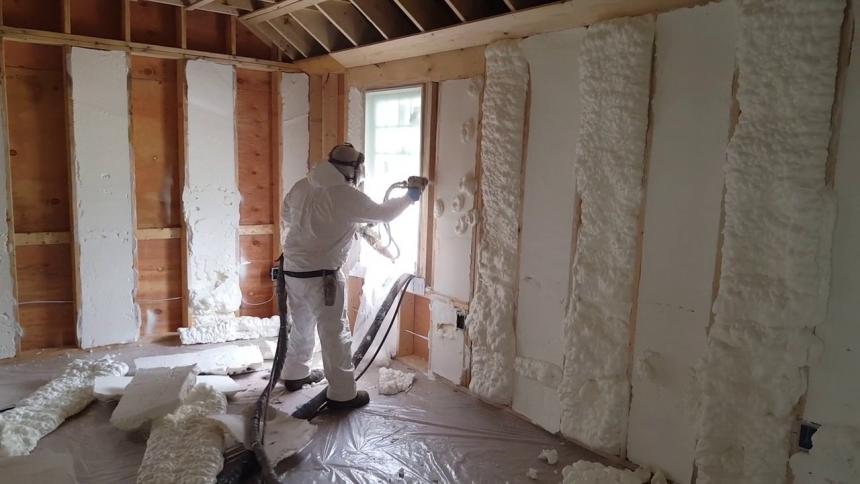
Understanding the Difference Between Tacking, Drying, and Curing
It is easy to get confused by the different stages of the foam setting process. When we apply the material, it expands rapidly and becomes "tack-free" almost instantly. This means you could touch it without it sticking to your hand, but it does not mean the job is done.
The next phase is the drying period, where the outer shell becomes rigid. However, the internal structure is still undergoing a chemical reaction. The final stage is the full cure. This is when the foam has reached its permanent shape, maximum R-value, and has finished releasing any vapors. We look for a complete curing window before we allow other trades or residents back into the immediate area.
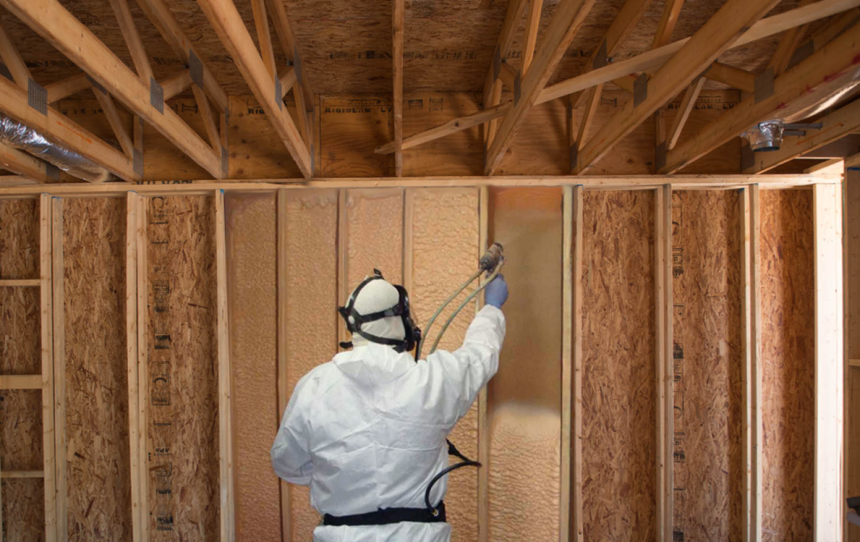
[Image: A professional applicator in full safety gear applying spray foam to a residential attic space]
Key Factors That Influence the Curing Timeline
Not every installation follows the exact same clock. We have found that several environmental and technical factors can either speed up or slow down the process.
Temperature and Humidity Levels
The chemicals we use require specific temperature ranges to react properly. If the air is too cold, the reaction slows down. If it is too humid, moisture in the air can interfere with how the foam bonds to the surface. We monitor these conditions closely before we start spraying to ensure the curing timeline stays within the expected window.
The Specific Type of Foam Used
We work with both open-cell and closed-cell products. Open-cell foam is less dense and often cures slightly faster because air can move through it more easily. Closed-cell foam is much denser and more rigid, so it sometimes takes a bit more time to ensure the core of a thick application is fully set.
Overall Application Thickness
If we are applying a very thick layer of foam in a single pass, it takes longer for the internal heat generated by the reaction to dissipate. We often apply foam in layers to manage this heat and ensure a consistent foam stabilization timeframe.
Bonus Tip: To help the process along, we recommend maintaining a steady indoor temperature of around 70 degrees Fahrenheit if your HVAC system is operational, as this provides the most predictable environment for the foam to set.
Comparing Cure Times by Insulation Type
To give you a better idea of what to expect, we have put together a comparison of common materials and their typical windows for safe occupancy. Note that while traditional materials do not require a "cure," they are included here to highlight the differences in project timelines.
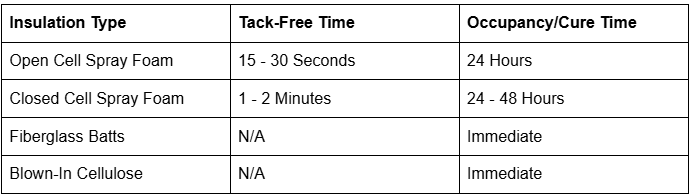
While traditional materials like fiberglass allow for immediate access, they do not provide the air-sealing benefits that we achieve with spray foam. The short wait for the foam to cure is a small trade-off for the long-term energy savings and comfort.
Safety Protocols During the Curing Window
Safety is our primary concern. During the polyurethane drying cycle, the chemicals mix and expand, releasing vapors. We use high-powered ventilation fans to draw fresh air into the building and exhaust stale air.
We require that everyone except the installers stay out of the building during the application. Once we finish, we typically recommend a 24-hour vacancy period. For certain high-volume commercial projects or spots with limited airflow, we might suggest waiting 48 hours. This ensures that the air quality has returned to normal and the material is completely stable.
Things to Consider Before Making a Decision
Before you schedule an installation, we suggest keeping these points in mind:
- Your Schedule: Plan to be away from home for at least one night. If you have pets or small children, it is best to arrange for them to stay elsewhere in a controlled environment.
- Ventilation Access: We need to be able to vent the space. If you have a basement or attic with no windows, we will use specialized equipment to move the air, which may slightly extend the time it takes for the smell to dissipate.
- Seasonality: While we can install insulation year-round, extreme winter or summer temperatures require us to take extra steps to pre-heat or cool the substrate, which can add time to the workday.
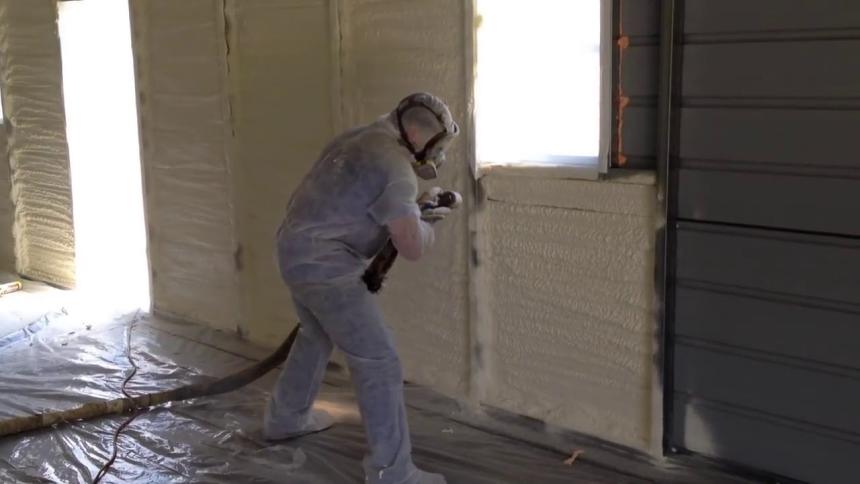
[Image: Close-up of cured closed cell spray foam showing a dense, uniform texture between wooden wall studs]
How Our Team Ensures a Successful Cure
Our team at Peninsula Insulation, LLC follows a strict checklist for every job. We check the "date codes" on our chemical drums to ensure the product is fresh. We also calibrate our proportioner machines regularly to ensure the A and B components mix at the perfect 1:1 ratio. If the mix is slightly off, it can lead to a "soft" cure or a lingering odor, which is why hiring an experienced team is so vital.
Bonus Tip: If you notice a lingering chemical smell after 48 hours, contact your installer immediately. This usually indicates an improper mix that hasn't cured correctly, and it needs to be addressed by a professional.
Final Thoughts on the Curing Process
Getting the most out of your investment requires a bit of patience during the initial 24 to 48 hours. By allowing proper spray foam insulation cure time, you ensure the material performs its job for decades to come without issues. We take pride in our precision and commitment to safety, ensuring your home is ready for you to return to a more comfortable, energy-efficient environment.
Work With the Experts at Peninsula Insulation, LLC
Are you ready to improve your home's energy efficiency and comfort? Our team at Peninsula Insulation, LLC is here to help you choose the right solution for your specific needs, whether it's residential or agricultural. We provide professional installation and clear guidance on what to expect during and after the process. To schedule a consultation or learn more about our services, please call us at (410) 770-2624 or email Wil at [email protected]. You can also find us on the map at https://maps.app.goo.gl/T8ytdfjSBUeeecbs8 to see our service area.
Answers to Common Questions Regarding the Setting ProcessCan I stay in my home if the foam is only being sprayed in the crawlspace?
Even if we are only working in a crawlspace or attic, we generally recommend leaving the house. Air travels throughout the home via the stack effect, and vapors can move into your living areas. We prefer to err on the side of caution for your health.
Does the weather outside change the cure time?
Yes, it can. On very humid days, the moisture in the air acts as a catalyst. Our technicians adjust equipment settings to account for weather conditions, ensuring the spray foam insulation's cure time remains consistent regardless of the season.
Will the foam smell forever?
No. Once the foam is fully cured, it is inert and odorless. Any initial scent is temporary and disappears once the off-gassing process is complete, usually within the first 24 to 48 hours.
What happens if the material gets wet before it cures?
Moisture is the enemy of uncured foam. If a roof leaks or a pipe bursts during the installation, it can ruin the bond. We always ensure the area is dry before we begin our work.



FundedFirm vs Summit Strike: Which Prop Trading Firm Reigns Supreme in...
In the world of forex and prop trading, two names have recently grabbed traders’ attention...

Migliori Casino Online: Guida Completa per Scegliere la Piattaforma Gi...
Migliori Casino Online: Guida Completa per Scegliere la Piattaforma Giusta

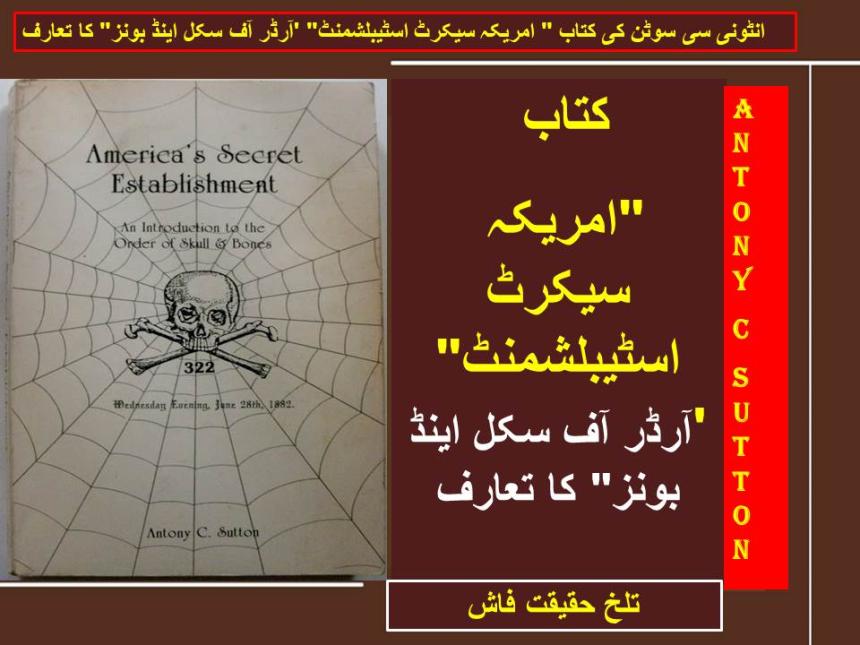
انٹونی سی سوٹن کی کتاب "امریکہ سیکرٹ اسٹیبلشمنٹ" 'آرڈر آف سکل اینڈ بون...