
How Long Does Professional Insulation Installation Take and What Factors Affect the Timeline?
A standard insulation installation timeline typically ranges from a few hours to two full days for most residential properties. Small tasks like topping off an attic with blown-in material often wrap up in four to six hours, while whole-house spray foam applications or complex retrofits may require forty-eight hours of labor.
This guide provides a detailed breakdown of what you should expect during the process. By understanding the variables that influence speed, you can plan your schedule and ensure your property remains comfortable and energy-efficient. Industry data suggests that properly timed upgrades can reduce annual energy costs by up to 15 percent, making the scheduling process a high-priority task for property owners.
The material you choose dictates the pace of the work. Each product requires unique preparation, application methods, and curing times that technicians must follow to ensure safety and performance.
Blown-In InsulationThis is often the fastest method. Technicians use a large hose to distribute fiberglass or cellulose across an attic floor. Most 1,500-square-foot attics take about half a day.
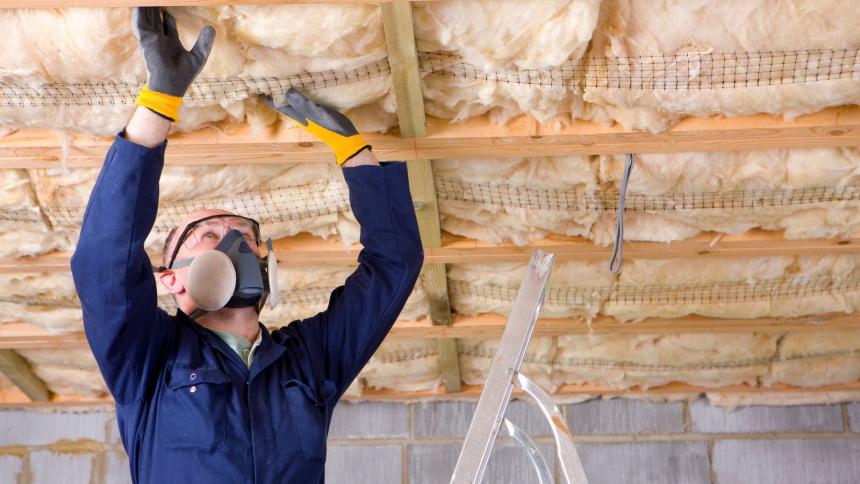
Batt and RollInstalling pre-cut fiberglass or mineral wool batts is labor-intensive because every piece must be cut to fit snugly between studs. A single room might take two hours, while a full basement could take a day.
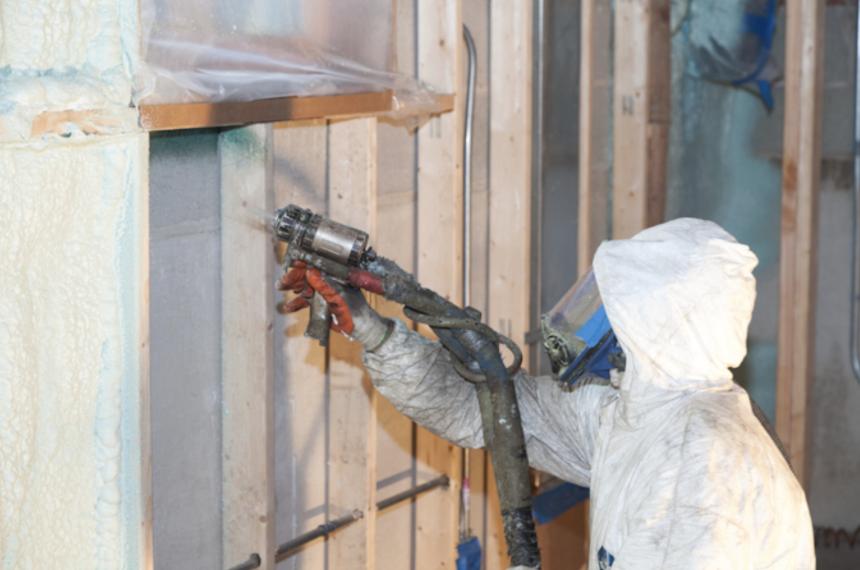
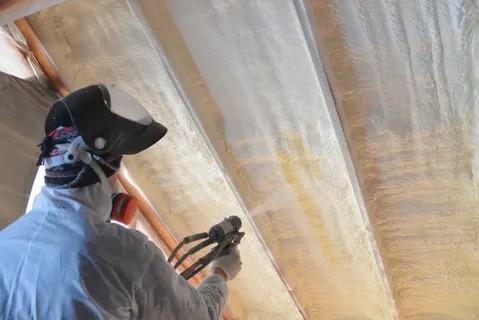
Spray foamThis involves chemical reactions and precise spraying. While the application is relatively quick, the setup and necessary ventilation periods often extend the project to one or two days.
2 How Long Does the Average Project Take to FinishWhen you hireinsulation installation services, the scope of work is the primary driver of the clock. Whether you are managing a small residential fix or a larger business facility, the project size dictates the time needed. Commercial insulation contractors often handle much larger square footage, which naturally extends the calendar, while specialized residential tasks like garage doors are significantly faster.
 3 Factors That Can Speed Up or Slow Down Your Project
Several external and internal variables can shift your insulation installation timeline. Being aware of these helps you manage your expectations when coordinating with residential insulation contractors. Beyond general environmental factors, the specific layout and accessibility of your structure play a major role in the overall pace.
Preparation and AccessIf the area is cluttered or difficult to reach, like a tight crawl space or a high-pitched roof, the team will spend more time on setup than actual installation.
Removal of Old MaterialIf your existing insulation is damp, moldy, or contaminated by pests, it must be vacuumed out first. This process can add four to eight hours to the total project time.
Weather ConditionsFor spray foam insulation installation, extreme humidity or freezing temperatures can affect how the chemicals bond. Technicians may need to wait for a dry window to start.
Bonus Tip: You can shorten the timeline by clearing a path for the crew and removing personal items from the work area before they arrive.
The location of the work significantly changes the level of difficulty. Attics are usually straightforward if they have enough head height. However, walls and crawl spaces present unique hurdles that require more time.
4 Wall and Exterior Insulation ProcessesInjecting foam or blowing dense-pack cellulose into existing walls requires drilling small holes. This is a meticulous process because the crew must ensure every cavity is filled without damaging the drywall. For a standard two-story home, expect this to take a full day.
5 Crawl Space and Basement ChallengesThese areas often require moisture barriers or specialized sealing. Because the workspace is cramped, the physical movement of the crew is slower. If the project involves sealing gaps and installing rigid foam boards, it often becomes a multi-day endeavor.
6 Planning Your Insulation Upgrade EffectivelyProper insulation project planning involves more than just picking a date. You must account for the time it takes to get a professional assessment and wait for a spot on the contractor's schedule.
The InspectionMost experts spend an hour or two inspecting the property to provide an accurate quote.
Lead TimesDuring peak seasons, like late autumn, contractors might be booked two to three weeks out.
Post-Install CheckSome local building codes require an inspection after the work is done but before walls are closed, which might add a day to your total timeline.
In the Pacific Northwest, moisture is the biggest hurdle. High humidity can delay certain types of professional insulation services that require dry surfaces. If you are scheduling work in the rainy season, your contractor might use dehumidifiers or heaters to prep the space, adding a few hours to the morning routine.
Bonus Tip: Schedule your installation during the spring or late summer to avoid the rush and ensure the best weather conditions for material curing.
What to Check Before Choosing an Installation ProfessionalBefore you sign a contract, verify that the team has the right tools for your specific building type. Commercial projects require different safety protocols and equipment than a backyard shed or a suburban home. Ask for a written timeline that includes the cleanup phase so you aren't left with a mess after they depart.
shed or a suburban home. Ask for a written timeline that includes the cleanup phase so you aren't left with a mess after they depart.
Summary of Best Practices for Timing Your ProjectProfessional insulation installation is a quick process compared to most home renovations, but it requires careful coordination. Most projects conclude within 48 hours. By clearing access points, removing old material ahead of time, and choosing the right time of year, you can ensure the work stays on track. Always prioritize quality over speed, as a rushed job can lead to air gaps and reduced thermal performance.
Getting the Help You Need for Your Seattle Area PropertyIf you are looking to improve your building's energy performance, contacting a local expert is the best way to get a specific schedule. You can reach out to Cascadia Spray Foam Insulation of Seattle to discuss your project needs and receive a free quote. They offer comprehensive solutions for both homes and businesses throughout the region. For detailed information or to book a site visit, you can contact them at (425) 386-3500 or send an email to[email protected].
Frequently Asked Questions About Insulation SchedulesHow long must I stay out of the house after spray foam is applied?Most manufacturers recommend staying out of the building for 24 hours to allow the foam to off-gas and cure completely. Some newer products allow for a shorter 12-hour window, but you should always follow the technician's specific safety advice.
Does removing old insulation take longer than putting in new material?Usually, yes. Vacuuming out old, dusty, or heavy material is a slow process that requires specialized equipment and safety gear. It often takes twice as long to remove old batts or loose-fill as it does to install fresh product.
Will the crew need to turn off my power or water?Power is usually kept on so the team can use lights and tools, though they may use their own generators for heavy machinery. Water is rarely needed unless the project involves specific cleaning or masonry-based insulation products.
Can insulation be installed in a single room while I work in another?For fiberglass or cellulose, yes, you can usually stay in the building. However, the process is noisy. If the project involves spray foam, the entire building must be vacated due to the chemicals used during the application.
How many people are typically on a professional installation crew?A standard residential crew usually consists of two to three people. This allows one person to manage the machinery outside while the others handle the application inside the building. Larger commercial jobs may require five or more technicians.


Building a Healthier, Substance-Free Life Through Comprehensive Addict...