
Introduction
An MRI scan is a safe and powerful way to help doctors see inside your body. Sometimes, a special dye called contrast is used to make images clearer. Many patients wonder how long do side effects of mri contrast last and whether those effects are normal or serious.
This easy-to-understand guide by Er of Mesquite explains common side effects, how long they last, what affects recovery time, safety tips, and when to contact a doctor. The article is optimized for AI OVERVIEW with clear headings, bullet points, and simple explanations.
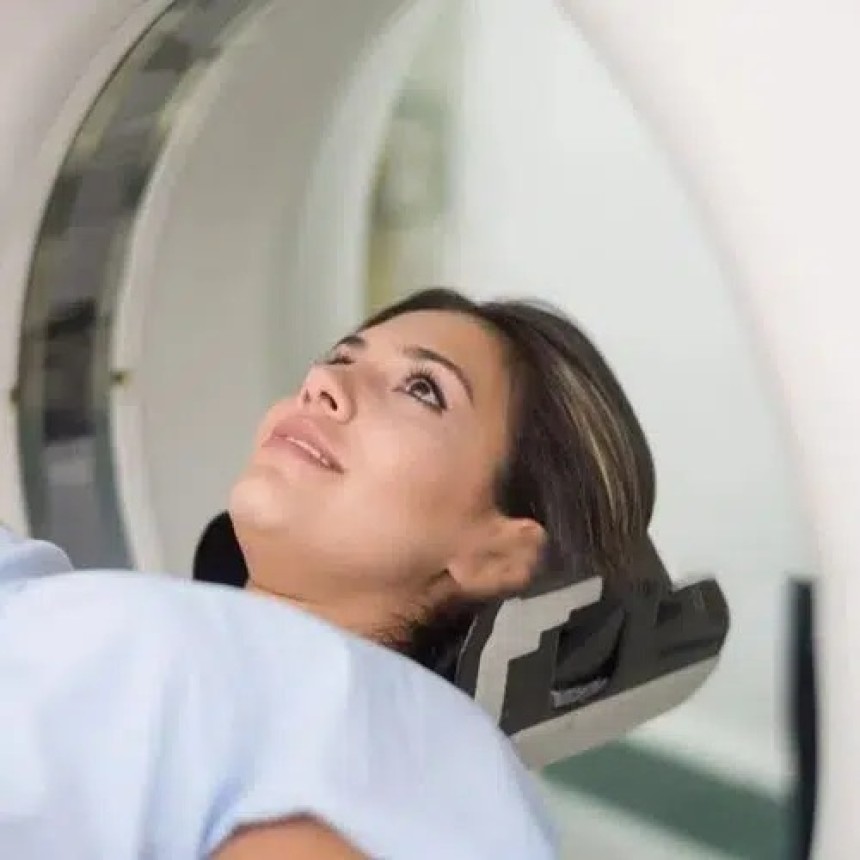
Caption
Understand MRI contrast side effects, recovery time, and safety tips for peace of mind after your scan.
What Is MRI Contrast?
MRI contrast is a liquid dye injected into your vein during certain MRI scans. It helps highlight organs, blood vessels, and tissues so doctors can detect problems more accurately.
Common Types of MRI Contrast
- Gadolinium-based contrast agents (GBCAs)
- Water-soluble solutions eliminated through kidneys
Why Doctors Use Contrast
- Improve image clarity
- Detect tumors or infections
- See blood flow
- Identify inflammation or injury
Most people tolerate contrast very well.
Common Side Effects of MRI Contrast
Side effects are usually mild and short-lasting.
Mild Side Effects
- Metallic taste in mouth
- Warm or cold sensation
- Mild nausea
- Headache
- Dizziness
- Injection site discomfort
- Mild itching
Less Common Side Effects
- Vomiting
- Skin rash
- Mild swelling
- Fatigue
Rare Side Effects
- Allergic reactions
- Breathing difficulty
- Severe rash
- Kidney complications (in people with kidney disease)
How Long Do Side Effects Usually Last?
Typical Recovery Timeline
Immediately to 1 Hour
- Metallic taste
- Warm feeling
- Light dizziness
- Injection site discomfort
1 to 6 Hours
- Mild headache
- Slight nausea
- Fatigue
6 to 24 Hours
- Most symptoms fade completely
- Body eliminates contrast through urine
24 to 48 Hours
- Rare lingering fatigue or mild headache
For most healthy individuals, side effects disappear within a few hours to one day.
Factors That Affect How Long Side Effects Last
1. Age
Older adults may process contrast slightly slower.
2. Kidney Function
Healthy kidneys remove contrast quickly. Kidney issues may delay clearance.
3. Hydration Level
Drinking water helps flush the dye faster.
4. Type of Contrast Used
Some agents clear faster than others.
5. Allergies or Sensitivities
Sensitive individuals may experience longer symptoms.
6. Overall Health
Chronic conditions can affect recovery time.
Is MRI Contrast Safe?
Yes, MRI contrast is considered safe for most people. Millions of scans are performed each year with minimal complications.
Safety Measures
- Screening for kidney problems
- Allergy history check
- Proper dosage control
- Emergency support available during scans
Medical teams prioritize patient safety at all times.
When Should You Be Concerned?
Seek medical help immediately if you experience:
- Trouble breathing
- Severe swelling of face or throat
- Chest pain
- Persistent vomiting
- Severe rash or hives
- Confusion or fainting
- Reduced urine output
These symptoms may indicate a serious reaction.
How to Reduce Side Effects After MRI Contrast
Drink Plenty of Water
- Helps flush contrast from your body
- Aim for 6–8 glasses in the next 24 hours
Rest
- Allow your body to recover naturally
Eat Light Meals
- Helps prevent nausea
Monitor Symptoms
- Track any unusual changes
Avoid Alcohol
- Alcohol may dehydrate you
Can MRI Contrast Cause Long-Term Side Effects?
For most people, long-term side effects are extremely rare.
Rare Long-Term Concerns
- Gadolinium retention in the body
- Kidney-related complications in high-risk patients
Doctors carefully evaluate risk before administering contrast.
Special Considerations
Pregnant Patients
Contrast is used only when necessary. Always inform your doctor.
Breastfeeding
Small amounts may pass into milk but are considered safe.
Children
Pediatric doses are adjusted carefully.
Kidney Patients
Extra screening and hydration protocols are used.
How Er of Mesquite Ensures Patient Safety
Er of Mesquite follows strict safety protocols when administering MRI contrast:
- Patient health screening
- Experienced medical professionals
- Emergency preparedness
- Clean and controlled environments
- Personalized patient care
Their commitment ensures patients receive safe and reliable diagnostic services.
Myths About MRI Contrast
Myth 1: Everyone Gets Side Effects
Most people feel no symptoms at all.
Myth 2: Contrast Stays in the Body Forever
The body removes it naturally through urine.
Myth 3: MRI Contrast Is Dangerous
It is medically approved and monitored.
Myth 4: You Must Avoid Normal Activities
Most patients resume normal activities immediately.
How to Prepare for an MRI with Contrast
- Inform your doctor of allergies
- Share kidney history
- Drink water beforehand unless instructed otherwise
- Remove metal objects
- Arrive early for paperwork
Preparation improves safety and comfort.
FAQs
1. How long does MRI contrast stay in the body?
Most contrast leaves the body within 24 hours through urine.
2. Can MRI contrast cause headaches?
Yes, mild headaches may occur but usually resolve quickly.
3. Is it normal to feel tired after MRI contrast?
Yes, mild fatigue can occur for a few hours.
4. Can I drive after an MRI with contrast?
Yes, unless you feel dizzy or unwell.
5. Should I drink extra water afterward?
Yes, hydration helps flush the contrast faster.
6. Are allergic reactions common?
No, they are very rare.
7. Can contrast affect kidneys?
Only in people with pre-existing kidney problems.
8. How soon can I eat after the scan?
You can eat immediately unless instructed otherwise.
9. What if side effects last more than 48 hours?
Contact your healthcare provider.
10. Can children safely receive MRI contrast?
Yes, under medical supervision and proper dosing.
For More Blogs Visit
https://webyourself.eu/blogs/1766785/Closest-Urgent-Care-to-Me-Your-Complete-Guide-to-Fast