
Most people check their smoke alarms when the clocks change and feel they have done their duty. Carbon monoxide alarms, however, are often forgotten the moment they are screwed to the wall. They sit quietly for years, looking perfectly normal, while the sensor inside slowly wears out. Carbon monoxide is odorless, colorless and tasteless, so a failed alarm gives a household no second chance. That is why the question of how long do carbon monoxide detectors last deserves a place on every homeowner’s safety list.
The Short Answer: Five to Ten Years
So, how long do carbon monoxide detectors last in a real home? Most devices are built to work reliably for between five and ten years. Many budget and battery-operated models are designed for five to seven years, while some premium and sealed-battery models are rated for up to ten. The clock starts on the date of manufacture, not the day you installed the unit, so an alarm that sat in a warehouse for a year has already lost part of its life.
Think of the alarm as a consumable product, much like a water filter. It does not suddenly stop working on a set day, but its ability to detect low and moderate gas levels gradually declines. After the rated period, the manufacturer can no longer guarantee that it will sound when it should.
How to Find Your Detector’s Expiration Date
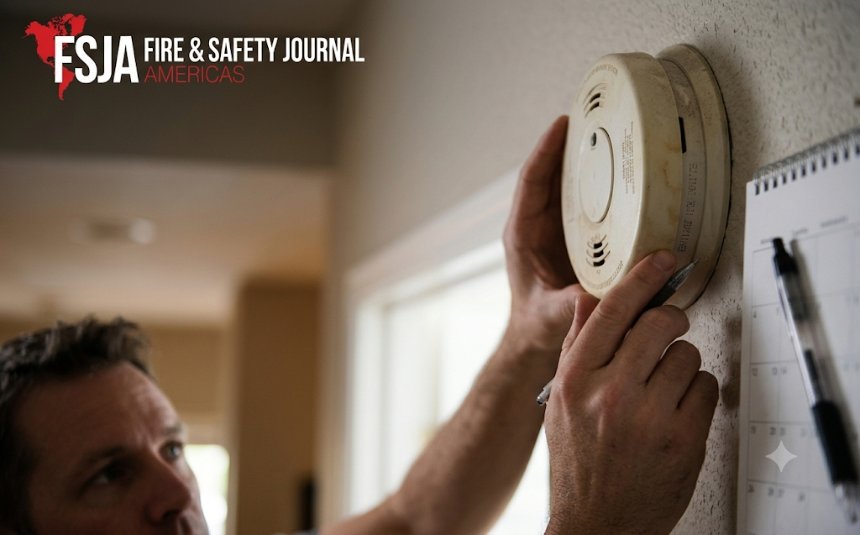
You do not need tools to check the age of your alarm. Gently twist the unit off its mounting plate and look at the back or side label. You will usually find a “date of manufacture” or a “replace by” date printed there. Some models show both.
If the label is worn, missing or unreadable, treat the alarm as old and replace it. A good habit is to write the installation date on the new unit’s cover with a marker, or to note the replacement year in your phone calendar. This one small step removes the guesswork for the next person who lives in your home.
Why Carbon Monoxide Sensors Wear Out
Most home alarms use an electrochemical sensor, which contains a small amount of liquid electrolyte. When carbon monoxide enters the chamber, a tiny electrical current is produced and the alarm responds. Over time that electrolyte dries out, and the chemistry that detects gas becomes less sensitive. Understanding how long do carbon monoxide detectors last begins with understanding this slow decline.
Other factors can shorten the life span:
- Dust and grease, especially in kitchens and garages
- Household chemicals, such as aerosol sprays, solvents and silicone-based products
- Extreme heat or humidity, common near bathrooms, boilers and laundry rooms
- Frequent exposure to small amounts of gas from poorly adjusted appliances
A detector installed in a clean hallway may reach its full rated life, while one in a damp utility room could fade sooner.
Warning Signs Your Alarm Is Failing
Your detector will often tell you when it is time for a replacement, but only if you know what to listen for.
- An end-of-life chirp. Many models give a distinct signal, often a series of beeps every 30 to 60 seconds, when the sensor has expired. This is different from a low-battery chirp.
- A failed test. If the test button produces no sound, or a weak one, the unit is unreliable.
- Repeated false alarms. A sensor that has become unstable may trigger without any gas present.
- A fault or error display. Digital models show error codes when the sensor is no longer functioning.
- Old age. If the label shows the unit is past its date, replace it even if it seems to work.
Never silence a persistent chirp and ignore it. If the alarm sounds a real alert and you or others feel dizzy, nauseous or have a headache, leave the building immediately and call emergency services from outside.
Replacement Checklist and Safe Disposal
When it is time for a new unit, follow this simple checklist:
- Buy an alarm that carries a recognized safety certification mark on the packaging.
- Choose the type that fits your home: battery-powered, plug-in with battery backup, hardwired, or smart.
- Install it on every level of the house and outside each sleeping area.
- Keep it away from fuel-burning appliances, direct heat, vents and fans that may blow gas away from the sensor.
- Test it monthly and replace batteries at least once a year, unless it has a sealed long-life battery.
As for disposal, do not throw old units into regular household waste if your area has electronic waste collection. Many local waste centers accept alarms, and some retailers offer take-back programs.
Conclusion
A carbon monoxide alarm is only as good as its sensor, and sensors do not last forever. Knowing how long do carbon monoxide detectors last lets you replace them before they fail, rather than after. Check the date on every alarm in your home this week, test them monthly and keep a written replacement schedule. A few minutes of attention today can protect everyone under your roof. This guide is brought to you by Fire & Safety Journal Americas.
Frequently Asked Questions
1. Do carbon monoxide detectors expire even if they never go off?
Yes. The sensor ages whether or not it has ever detected gas, so an alarm that has stayed silent for years still needs replacing at the end of its rated life.
2. Is it safe to use a detector past its expiration date?
It is not recommended. An expired alarm may fail to respond to dangerous gas levels, which defeats its purpose.
3. Does changing the battery extend the life of the detector?
No. A new battery only powers the unit. It does not restore the sensor, which wears out independently.
4. Can I tell how long do carbon monoxide detectors last from the packaging?
Yes. The box and the user manual usually state the rated lifespan, and the unit itself carries a replace-by or manufacture date.
5. What should I do if my detector chirps every minute?
Check the manual to see whether the pattern means low battery or end of life. If it signals end of life, replace the entire unit.