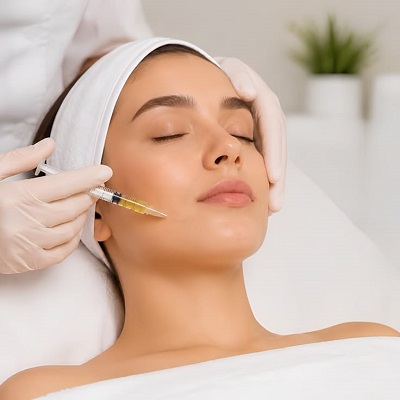

Botox has become a popular non-surgical cosmetic treatment for people who want to soften fine lines, reduce wrinkles, and achieve a refreshed appearance without undergoing surgery. One of the most common questions people ask before considering the procedure is how long the results will actually last. While the treatment can deliver noticeable improvements, its effects are temporary and vary depending on several individual factors.
Botox Injections work by temporarily relaxing specific facial muscles responsible for creating expression lines. This helps smooth existing wrinkles and prevent certain dynamic lines from becoming more pronounced. Understanding the treatment timeline, factors that influence its longevity, and ways to maintain the results can help individuals make informed decisions about their cosmetic care.
1. How Long Do Botox Injections Typically Last?
In most cases, Botox injections last approximately three to four months. However, some individuals may notice that their results begin to fade after two months, while others may enjoy smoother-looking skin for up to five or six months.
The duration largely depends on how quickly the body processes the treatment, the strength of the targeted muscles, the injection area, and individual lifestyle habits.
After the procedure, the treated muscles gradually become less active. As a result, expression lines become softer and less noticeable. Over time, normal muscle activity slowly returns, allowing wrinkles to reappear.
The treatment does not permanently eliminate wrinkles or stop the natural ageing process. Instead, it provides temporary improvement that can be maintained through appropriately timed follow-up sessions.
For individuals receiving Botox for the first time, the results may not last as long as they do for those who have undergone several treatments. With consistent treatments, some people find that their muscles become less active over time, potentially allowing them to maintain their results for longer.
2. When Do Botox Results Start to Appear?
Botox does not produce immediate results. The treatment requires time to affect the targeted muscles, so individuals should not expect to see a dramatic difference immediately after their appointment.
The typical treatment timeline can be divided into several stages:
- First 24–48 hours: Most individuals will not notice significant changes. Mild redness, tenderness, or small injection marks may be present.
- Days 3–5: Early improvements may become noticeable as the targeted muscles gradually begin to relax.
- Days 7–10: The smoothing effect usually becomes more apparent, with expression lines appearing softer.
- Days 10–14: Most individuals can assess their full results around this time.
- Months 2–3: The treatment generally maintains its most noticeable effects, although individual experiences vary.
- Months 3–4: Muscle activity gradually returns, and facial lines may slowly become more visible again.
Patience is important during the first two weeks. The treatment needs sufficient time to produce its full effect, and evaluating the outcome too early may not provide an accurate picture.
3. What Factors Affect How Long Botox Injections Last?
Although three to four months is a common timeframe, several factors can influence how long the results remain noticeable.
Muscle Strength and Activity
Individuals with stronger facial muscles may notice that the effects wear off sooner. Areas that experience frequent movement, such as the forehead and the muscles between the eyebrows, may also require more regular maintenance.
Treatment Area
Different facial areas can respond differently to Botox. For example, forehead lines, frown lines, and crow's feet may have slightly different treatment durations depending on muscle activity and individual anatomy.
Dosage and Injection Technique
The amount of product administered and the placement of injections can influence the final results. The treatment plan should be tailored to the individual's facial structure, muscle strength, and cosmetic goals.
An appropriately selected dose is important because too little may produce limited improvement, while excessive treatment can result in an unnatural appearance or unwanted muscle weakness.
Individual Metabolism
Every person's body processes substances differently. Individual biological differences may influence how quickly the effects of Botox diminish.
However, metabolism alone does not determine treatment longevity. Muscle activity, treatment area, dosage, and other factors also play important roles.
Lifestyle Habits
Certain lifestyle factors may influence the overall appearance and condition of the skin. Frequent sun exposure, smoking, inadequate sleep, and poor skincare habits can contribute to premature skin ageing.
Although these factors do not directly determine how quickly Botox breaks down, maintaining healthy habits can help support better-looking skin between treatments.
4. How Can Individuals Make Botox Results Last Longer?
Botox results cannot be made permanent, but certain habits can help individuals maintain their overall appearance and get the most from their treatment.
Follow Appropriate Aftercare Instructions
Following professional aftercare guidance is important, particularly during the first few hours after treatment. Individuals should avoid rubbing or massaging the injection areas and follow any specific recommendations provided by their practitioner.
They should also avoid strenuous exercise for the period recommended by their treating professional, commonly the first 24 hours.
Protect the Skin from Sun Exposure
Sun exposure contributes to collagen breakdown and premature skin ageing. Applying broad-spectrum sunscreen with SPF 30 or higher can help protect the skin from ultraviolet damage.
Wearing sunglasses and seeking shade during strong sunlight can provide additional protection.
Maintain a Consistent Skincare Routine
A suitable skincare routine can help improve skin texture and support a healthy complexion. Gentle cleansing, regular moisturising, and appropriate sun protection are useful everyday habits.
Ingredients such as retinoids may also help improve the appearance of fine lines over time, although they should be introduced according to individual skin tolerance and professional advice.
Avoid Smoking
Smoking can accelerate skin ageing by affecting collagen and elastin. Avoiding tobacco products can support healthier-looking skin and overall wellbeing.
Schedule Follow-Up Treatments Carefully
The effects of Botox gradually wear off, so maintenance appointments may be considered when muscle activity begins to return.
Most individuals require repeat treatment every three to four months, although the appropriate interval varies. Treatment should not be repeated more frequently than recommended by a qualified healthcare professional.
5. What Happens When Botox Starts Wearing Off?
One important thing to understand about Botox is that its effects fade gradually rather than disappearing overnight.
As the body gradually restores communication between the nerves and treated muscles, normal muscle movement returns. Expression lines may slowly become more visible, particularly when smiling, frowning, or raising the eyebrows.
However, the face does not suddenly become more wrinkled than it was before treatment simply because Botox has worn off.
Some individuals may even notice that their wrinkles appear less pronounced than before their initial treatment. This may happen because the muscles have spent several months contracting less frequently, reducing repeated folding of the skin.
The return of muscle activity is a normal part of the treatment cycle. Individuals who decide not to continue with Botox can simply allow the effects to wear off naturally.
There is no medical requirement to repeat the treatment once its effects diminish.
6. Is It Safe to Get Botox Injections Regularly?
Botox can be administered repeatedly when clinically appropriate, and many individuals choose regular treatments to maintain their cosmetic results.
However, repeated treatments should always be planned according to individual needs, medical history, and professional assessment.
A qualified healthcare professional should evaluate the treatment area, determine the appropriate dosage, and recommend suitable intervals between sessions.
Like other medical procedures, Botox carries potential side effects. Common temporary reactions include:
- Mild redness around injection sites.
- Minor swelling or tenderness.
- Small bruises.
- Temporary headaches.
- Localised discomfort.
Less common complications can include eyelid or eyebrow drooping, unwanted facial muscle weakness, and asymmetry.
Rarely, botulinum toxin effects can spread beyond the injection area and cause serious symptoms such as difficulty swallowing, speaking, or breathing. Anyone experiencing these symptoms should seek immediate medical attention.
Botox is not suitable for everyone. Certain medical conditions, pregnancy, breastfeeding, and specific medications may affect whether treatment is appropriate. A healthcare professional should review these considerations before proceeding.
Overall, the safest approach involves choosing an appropriately qualified practitioner, discussing realistic expectations, and following an individualised treatment plan.
Frequently Asked Questions About Botox Injections
1. How long do Botox injections last for the first time?
For first-time users, Botox generally lasts around three to four months. However, some individuals may notice the effects fading earlier, while others may experience longer-lasting improvements. The duration depends on muscle activity, dosage, treatment area, and individual response.
2. Can Botox last six months?
Yes, some individuals may experience noticeable results for up to six months, although this is less common. Most people require maintenance treatments approximately every three to four months. Treatment longevity can vary depending on individual circumstances.
3. Does Botox make wrinkles worse when it wears off?
No. Botox does not normally make wrinkles worse when its effects disappear. Instead, muscle movement gradually returns, and expression lines may become visible again. The face generally returns towards its natural appearance before treatment.
4. How often should Botox injections be repeated?
Many individuals schedule repeat treatments every three to four months. However, the ideal interval depends on how quickly muscle movement returns and the individual's treatment goals. A qualified healthcare professional can recommend an appropriate schedule.
5. Can skincare products make Botox last longer?
Skincare products cannot prevent Botox from wearing off because the treatment works on the communication between nerves and muscles. However, sunscreen, moisturisers, and suitable anti-ageing ingredients can support skin health and help improve the overall appearance of the skin.
6. Does Botox work differently depending on age?
Botox can produce different results depending on an individual's muscle strength, skin condition, and wrinkle depth. Age alone does not determine how long the treatment lasts. Younger individuals may have fewer established wrinkles, while older individuals may have deeper static lines that do not disappear completely with muscle relaxation.
Final Thoughts
Botox injections generally last between three and four months, making them a temporary but effective option for individuals looking to reduce the appearance of expression lines without surgery. However, the exact duration depends on several factors, including the treatment area, muscle strength, dosage, individual response, and lifestyle habits.
Understanding the treatment timeline helps individuals develop realistic expectations and make informed decisions about cosmetic care. Following appropriate aftercare instructions, protecting the skin from sun damage, and scheduling professional follow-ups when necessary can support consistent results.
Ultimately, Botox should be approached as an individualised cosmetic treatment rather than a permanent solution to ageing. With proper assessment, realistic expectations, and appropriate professional guidance, individuals can decide whether it fits their aesthetic goals and personal preferences.
Read More About Botox Injections: https://www.gooalsocial.com/blogs/view/45644