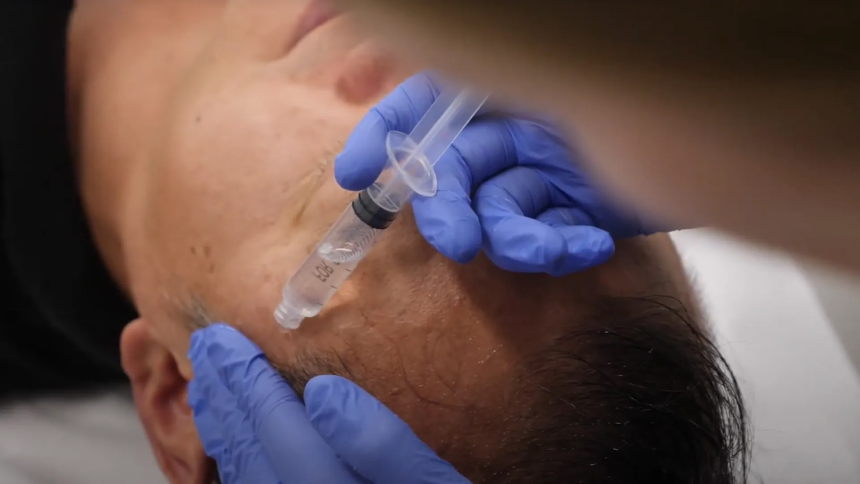

How Is Exosomes Treatment Researched For Medical Use?
Exosomes are microscopic vesicles released by cells that carry essential biomolecules such as proteins, lipids, and genetic material
Exosomes treatment has emerged as a promising frontier in regenerative medicine and therapeutic research, attracting global attention for its potential applications in healing, cellular communication, and tissue repair. In Dubai, exosomes treatment in Dubai is gaining recognition at advanced clinics like Dynamic Life Clinic for its innovative approach to enhancing cellular function and promoting overall wellness. Researchers are actively investigating how these tiny extracellular vesicles can be harnessed for medical purposes, offering new hope for a variety of conditions.
Understanding Exosomes and Their Role in Medicine
Exosomes are microscopic vesicles released by cells that carry essential biomolecules such as proteins, lipids, and genetic material. These vesicles facilitate intercellular communication and play a key role in maintaining cellular health. Scientists are particularly interested in how exosomes can be used to deliver therapeutic signals to damaged tissues, offering a non-invasive alternative to conventional treatments.
- They act as natural messengers between cells
- Contain microRNA, proteins, and signaling molecules
- Influence inflammation, tissue repair, and immune responses
The versatility of exosomes has made them an attractive target for researchers aiming to develop next-generation therapies.
Key Areas of Research in Exosomes Treatment
Medical research on exosomes is rapidly expanding, with multiple fields exploring their potential applications. Current studies focus on areas such as regenerative medicine, immunotherapy, and neurological disorders.
- Regenerative Medicine: Exosomes are studied for their ability to stimulate tissue repair, enhance wound healing, and promote skin rejuvenation.
- Immunotherapy: Researchers are examining how exosomes can modulate immune responses, potentially improving treatments for autoimmune diseases and cancers.
- Neurological Applications: Early studies indicate that exosomes may help transport therapeutic molecules across the blood-brain barrier, offering possibilities for neurodegenerative conditions.
How Researchers Study Exosomes
The investigation of exosomes involves several advanced techniques to ensure their safety, efficacy, and consistency.
- Isolation and Purification: Exosomes are extracted from donor cells or body fluids using centrifugation, filtration, or specialized kits.
- Characterization: Researchers analyze the vesicles’ size, content, and surface markers to understand their functional properties.
- In Vitro and In Vivo Studies: Laboratory experiments on cell cultures and animal models help determine the therapeutic potential of exosomes before clinical applications.
- Clinical Trials: Human studies evaluate how exosome-based therapies perform in real-world conditions, assessing both safety and effectiveness.
Challenges in Exosome Research
Despite the exciting possibilities, exosome research faces several challenges that scientists are actively working to overcome.
- Standardization: Variability in exosome production methods can affect treatment outcomes.
- Delivery Methods: Ensuring that exosomes reach the intended tissue without degradation remains a critical hurdle.
- Regulatory Considerations: As a new therapeutic approach, exosome treatments must comply with strict safety and quality standards before widespread adoption.
Future Prospects of Exosomes in Medicine
The future of exosome-based therapies looks promising as ongoing research uncovers new applications and improves delivery technologies.
- Personalized Medicine: Tailoring exosome treatments to individual patient needs could enhance therapeutic outcomes.
- Combination Therapies: Exosomes may work alongside existing treatments to improve efficiency and recovery.
- Anti-Aging and Rejuvenation: Advanced studies are exploring how exosomes can promote cellular renewal and tissue regeneration in cosmetic medicine.
Conclusion
Exosomes treatment is at the cutting edge of medical research, offering immense potential across regenerative, neurological, and immune-related therapies. With rigorous studies, advanced research techniques, and growing interest in Dubai through clinics like Dynamic Life Clinic, exosome therapies are poised to transform modern medicine.
From Squirrel to Moose: Matching Ten Cartridges to the Animal
From Squirrel to Moose: Matching Ten Cartridges to the Animal