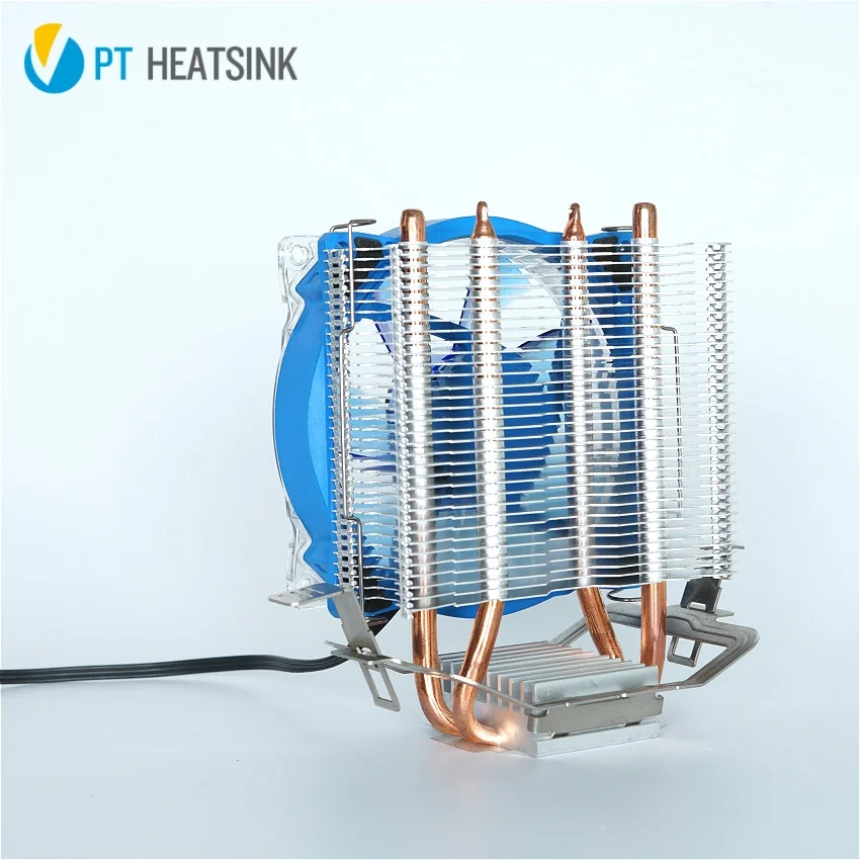
Heat pipes are one of the most efficient thermal management solutions used in various industries, from electronics and aerospace to renewable energy. A key component of their functionality is the wicking structure, which plays a critical role in maintaining fluid circulation and heat transfer efficiency. Optimizing wicking structures ensures better performance, durability, and adaptability in different applications. In this article, we explore how a heat pipe supplier enhances wicking structures to improve overall thermal efficiency.
Understanding the Role of Wicking Structures in Heat Pipes
A heat pipe operates based on the principles of phase change and capillary action. It consists of three main components:
- The Container: Typically made of copper or aluminum, providing a sealed environment for the working fluid.
- The Working Fluid: Transfers heat by evaporating at the heat source and condensing at the heat sink.
- The Wicking Structure: Facilitates the return of condensed liquid to the evaporator section via capillary action.
The performance of a heat pipe is largely dependent on the wicking structure, which determines how effectively the liquid is transported back to the heat source. This structure must be carefully designed to balance capillary force, permeability, and thermal resistance.
Types of Wicking Structures Used by Heat Pipe Suppliers
A heat pipe supplier selects the appropriate wicking structure based on the application’s cooling requirements. There are several types of wicking structures commonly used:
1. Sintered Wick
- Made from sintered metal powders (commonly copper or nickel).
- Provides high capillary force and is ideal for high-performance applications.
- Offers excellent heat transfer capabilities and can operate in multiple orientations.
- Commonly used in laptop cooling, spacecraft, and industrial electronics.
2. Mesh Wick
- Constructed from fine copper or stainless steel mesh layers.
- Provides a good balance between capillary force and permeability.
- Cost-effective and widely used in consumer electronics and moderate heat flux applications.
3. Grooved Wick
- Features machined grooves along the interior of the heat pipe.
- Offers low capillary force but high permeability, making it suitable for horizontal applications.
- Frequently used in HVAC systems, LED cooling, and automotive applications.
4. Hybrid Wick Structures
- Combines two or more wick types to optimize both capillary force and fluid permeability.
- Often used in high-performance computing, advanced aerospace applications, and high-power electronics.
Key Optimization Techniques Used by Heat Pipe Suppliers
To improve the efficiency and reliability of heat pipes, a heat pipe supplier employs various optimization strategies:
1. Material Selection for Improved Capillarity
The choice of wick material significantly impacts the heat pipe’s performance. Suppliers use high-purity copper, nickel, and stainless steel to ensure durability and efficiency. Advanced surface treatments enhance the capillary action, enabling faster liquid return and better thermal performance.
2. Adjusting Wick Thickness and Porosity
The thickness and porosity of the wick determine its ability to transport fluid efficiently. By fine-tuning these parameters, suppliers can balance capillary pumping capability and liquid flow resistance. A thinner wick structure reduces thermal resistance, while a more porous wick enhances fluid circulation.
3. Advanced Manufacturing Techniques
A heat pipe supplier employs cutting-edge manufacturing techniques such as:
- Sintering Technology: Ensures uniform porosity and enhances capillary action.
- Precision Machining: Creates finely tuned grooved wicks for optimized liquid movement.
- Laser Structuring: Used to create microchannel wicks with superior capillary performance.
4. Optimizing for Specific Operating Conditions
Different applications require customized wick structures. For example:
- Aerospace heat pipes require wicks with high capillary limits to function in microgravity.
- Consumer electronics need compact, high-efficiency wick designs for thin heat pipes.
- Renewable energy applications benefit from hybrid wicks to manage fluctuating thermal loads.
5. Integration with Thermal Interface Materials (TIMs)
A heat pipe supplier ensures that the wick structure works in tandem with TIMs to minimize thermal resistance. This enhances the overall efficiency of heat dissipation in critical applications like CPUs, GPUs, and high-power LED systems.
Future Trends in Wick Optimization for Heat Pipes
With increasing demands for better thermal management, heat pipe suppliers are exploring new advancements in wicking structures:
- Nano-Engineered Wicks: Utilizing nanomaterials to improve fluid transport efficiency.
- Graphene-Coated Wicks: Enhancing thermal conductivity for ultra-high-performance heat pipes.
- AI-Driven Design Optimization: Using artificial intelligence to simulate and optimize wick structures for maximum efficiency.
Conclusion
Optimizing wicking structures is a fundamental aspect of improving heat pipe performance. A heat pipe supplier carefully selects materials, adjusts wick design, and applies advanced manufacturing techniques to enhance capillary action, thermal efficiency, and system reliability. With continued innovations in wick structures, heat pipes will remain a critical solution for managing heat in electronics, automotive, aerospace, and other high-performance applications.