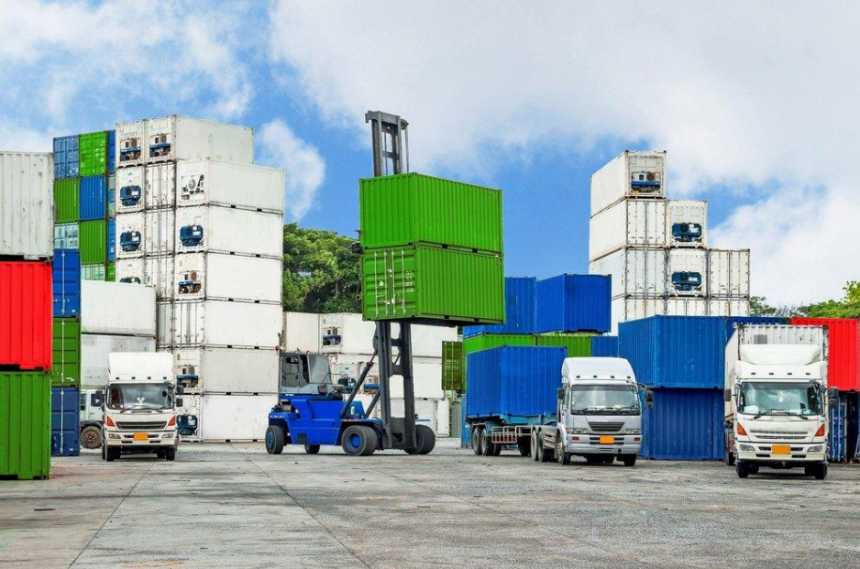

How FTL and LTL Shipping Services Improve Logistics Efficiency
Optimize your logistics with FTL and LTL shipping services. Learn how to reduce costs, improve efficiency, and streamline cargo with smart freight solutions.
In today’s interconnected and highly competitive global marketplace, logistics has evolved into a strategic function that directly influences a company’s profitability, customer satisfaction, and long-term growth. Businesses are no longer judged solely on the quality of their products; they are equally evaluated on how efficiently and reliably they can deliver those products to customers. This growing demand for speed, accuracy, and cost-effectiveness has made transportation strategies more important than ever before.
Among the most essential components of modern freight transportation are FTL shipping services and LTL shipping services, both of which serve distinct yet complementary roles within the logistics ecosystem. These shipping methods provide businesses with the flexibility to move cargo in a way that aligns with their operational requirements, whether they are dealing with high-volume shipments or smaller, more frequent deliveries.
In addition to ground transportation, services such as international air freight shipping and customs brokerage further enhance the efficiency of global supply chains. These services enable businesses to expand beyond local markets, ensuring that goods can move seamlessly across borders while complying with international regulations. By understanding how these different logistics solutions work together, companies can build a more resilient and cost-effective supply chain strategy.
This article provides a comprehensive exploration of FTL and LTL shipping services, highlighting their differences, advantages, and practical applications. It also examines how integrating these services with air freight and customs support can significantly improve overall logistics efficiency.
Understanding FTL and LTL Shipping Services
What is FTL Shipping?
FTL shipping services, commonly referred to as full truckload shipping, involve the transportation of goods that occupy an entire truck. In this model, a single shipment is assigned to a dedicated vehicle, which means that the cargo remains on the same truck from the point of origin to the final destination. Even in cases where the shipment does not completely fill the truck’s capacity, the space is reserved exclusively for one customer’s cargo.
This approach offers several significant advantages, particularly for businesses that deal with large volumes of goods or require a high level of control over their shipments. Since the truck is not shared with other consignments, there are no additional stops for loading or unloading along the route. As a result, delivery times are typically faster and more predictable.
Moreover, the reduced handling of cargo minimizes the risk of damage, making FTL shipping services an ideal choice for transporting fragile, high-value, or sensitive items. Industries such as manufacturing, retail, and pharmaceuticals often rely on this method to ensure that their products reach their destination safely and on schedule.
What is LTL Shipping?
In contrast, less than truckload shipping is designed for businesses that need to transport smaller quantities of cargo that do not require a full truck. Instead of dedicating an entire vehicle to a single shipment, LTL shipping consolidates multiple shipments from different customers into one truck. Each shipper pays only for the portion of space their cargo occupies, which makes this option more cost-effective for smaller loads.
LTL shipping is particularly beneficial for companies that operate with limited inventory or require frequent deliveries in smaller quantities. It allows businesses to maintain a steady flow of goods without the need to wait until they have enough cargo to justify a full truckload.
However, because LTL shipments are combined with others, they often involve multiple stops and transfers at distribution centers. While this can result in slightly longer transit times compared to FTL, the cost savings and flexibility make LTL an attractive option for many businesses.
Key Differences Between FTL and LTL Shipping
A clear understanding of the differences between FTL and LTL shipping services is essential for making informed logistics decisions. Each method has its own strengths, and the choice between them depends on various factors, including shipment size, budget, and delivery requirements.
Cost Considerations
One of the most significant differences lies in the cost structure. FTL shipping services typically involve higher upfront costs because the entire truck is reserved for a single shipment. However, for large volumes of cargo, the cost per unit can be significantly lower, making it a cost-efficient option in the long run.
LTL shipping, on the other hand, allows businesses to share transportation costs with other shippers. This makes it a more economical choice for smaller shipments, as companies only pay for the space they use rather than the entire truck.
Transit Time and Speed
Speed is another critical factor that distinguishes these two methods. FTL shipments are generally faster because they travel directly from the origin to the destination without intermediate stops. This direct route reduces transit time and ensures timely delivery.
LTL shipments may take longer due to the need for consolidation, sorting, and multiple delivery points. While this can be a drawback for time-sensitive shipments, it is often acceptable for businesses that prioritize cost savings over speed.
Cargo Handling and Safety
The level of cargo handling also differs significantly between the two methods. FTL shipping involves minimal handling, as the goods remain in the same truck throughout the journey. This reduces the likelihood of damage and ensures better security.
In contrast, LTL shipments are handled multiple times during transit, increasing the risk of damage. Proper packaging and labeling are essential to mitigate this risk and ensure that goods arrive in good condition.
Flexibility and Scalability
LTL shipping offers greater flexibility for businesses with varying shipment sizes and schedules. It allows companies to ship smaller quantities more frequently, which can improve inventory management and reduce storage costs.
FTL shipping is more suitable for businesses with consistent, high-volume shipping needs. It provides a reliable and efficient solution for transporting large quantities of goods in a single trip.
Benefits of FTL and LTL Shipping Services in Modern LogisticsOptimizing Transportation Costs
One of the most compelling reasons to use both FTL and LTL shipping services is the ability to optimize transportation costs. By selecting the appropriate method for each shipment, businesses can avoid unnecessary expenses and maximize efficiency.
For example, a company might use FTL shipping services for bulk shipments to distribution centers, while relying on LTL for smaller deliveries to retail locations. This strategic approach ensures that resources are used effectively and costs are kept under control.
Enhancing Supply Chain Flexibility
In an ever-changing market environment, flexibility is a key competitive advantage. The ability to switch between FTL and LTL shipping allows businesses to adapt to fluctuations in demand and respond quickly to customer needs.
During peak seasons, when demand is high, companies can use FTL shipping services to move large volumes. During quieter periods, LTL shipping provides a more economical option for maintaining operations without overcommitting resources.
Improving Inventory Management
Efficient shipping methods play a crucial role in inventory management. LTL shipping enables businesses to adopt just-in-time practices, where goods are delivered as needed rather than stored in large quantities.
This approach reduces warehousing costs and minimizes the risk of overstocking or obsolescence. At the same time, FTL shipping ensures that bulk inventory can be replenished quickly when required.
Supporting Sustainability Goals
Sustainability has become an important consideration in logistics. LTL shipping contributes to environmental conservation by maximizing the use of available truck space and reducing the number of vehicles on the road.
FTL shipping also supports sustainability when used efficiently, particularly for long-distance routes where direct transportation reduces fuel consumption and emissions.
The Role of International Air Freight Shipping and Customs Brokerage International Air Freight Shipping
While ground transportation is essential for domestic logistics, international air freight shipping plays a vital role in global trade. It offers unparalleled speed and reliability, making it the preferred choice for urgent or high-value shipments.
Air freight is particularly useful for industries such as electronics, pharmaceuticals, and fashion, where timely delivery is critical. By integrating air freight with FTL and LTL shipping services, businesses can create a seamless logistics network that spans multiple modes of transportation.
Customs Brokerage
Navigating the complexities of international trade requires expertise and precision. Customs brokerage services help businesses manage the regulatory aspects of shipping, ensuring compliance with import and export laws.
Customs brokers handle documentation, calculate duties and taxes, and facilitate the clearance process. Their expertise reduces the risk of delays and ensures that cargo moves smoothly across borders.
Building an Effective Logistics Strategy with FTL and LTL
To maximize the benefits of FTL and LTL shipping services, businesses must adopt a strategic approach that considers their unique needs and objectives.
Assessing Shipping Requirements
The first step is to evaluate the size, weight, and frequency of shipments. This information helps determine whether FTL or LTL is the most suitable option for each scenario.
Leveraging Technology
Modern logistics relies heavily on technology. Advanced software solutions enable businesses to track shipments in real time, optimize routes, and analyze performance data.
These tools enhance visibility and allow companies to make informed decisions that improve efficiency and reduce costs.
Partnering with Reliable Providers
Choosing the right logistics partners is critical to success. Experienced providers offer a range of services, including FTL, LTL, international air freight shipping, and customs brokerage.
By working with trusted partners, businesses can ensure that their cargo is handled professionally and delivered on time.
Conclusion
FTL and LTL shipping services are indispensable components of modern logistics, each offering unique advantages that cater to different business needs. While FTL shipping services provide speed, security, and efficiency for large shipments, less than truckload shipping offers flexibility and cost savings for smaller loads.
When combined with international air freight shipping and customs brokerage, these services create a comprehensive logistics solution that supports both domestic and global operations. By understanding the strengths of each method and integrating them strategically, businesses can optimize their supply chains, reduce costs, and enhance customer satisfaction.
Call to Action
If you are looking to improve your logistics performance and gain a competitive edge, it is essential to evaluate your current shipping strategy. Consider how FTL and LTL shipping services can be integrated into your operations, and explore partnerships with experienced logistics providers who can support your growth. Taking the time to refine your transportation approach today can lead to greater efficiency, lower costs, and long-term success in the future