
How Emergency Alert Systems Improve School Safety and Crisis Response
School safety is no longer limited to locked doors and fire drills. Today’s schools must be prepared to respond quickly and effectively to a wide range of situations—from weather-related closures and medical emergencies to security threats and transportation disruptions. In these moments, clear and immediate communication can make all the difference.
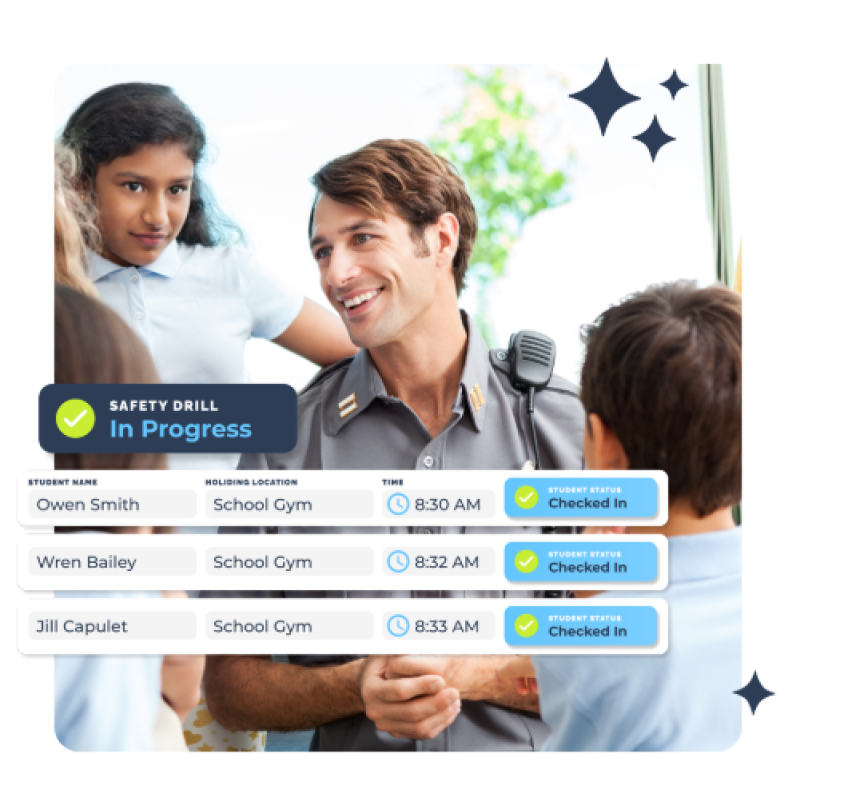
This is why emergency alert systems for schools have become a critical part of modern campus safety strategies. When paired with tools like a School Dismissal Manager, these systems help schools coordinate faster responses, reduce confusion, and ensure students are released safely during crises.
Let’s explore how emergency alert systems strengthen school safety and improve crisis response.
Emergency alert systems for schools are digital communication platforms designed to send instant notifications to staff, parents, and sometimes students during urgent situations. These alerts can be delivered through multiple channels, including:
- SMS text messages
- Phone calls
- Emails
- Mobile app notifications
- Desktop alerts
The goal is to ensure critical information reaches the right people at the right time—without delays or misunderstandings.
In an emergency, every second counts. Traditional communication methods like phone trees or manual announcements are slow and unreliable.
Emergency alert systems allow administrators to:
- Send mass notifications in seconds
- Reach thousands of recipients simultaneously
- Ensure message consistency across all channels
This speed enables schools to take immediate action, whether it’s initiating a lockdown, delaying arrival times, or notifying parents of an early dismissal.
Conflicting or unclear information during a crisis can cause panic and confusion. Emergency alert systems ensure that everyone receives the same, accurate message at the same time.
Administrators can:
- Use pre-approved message templates
- Control who sends alerts
- Update messages in real time as situations evolve
This consistency builds trust and helps families and staff respond appropriately.
Effective crisis response depends on coordination among teachers, administrators, security personnel, and support staff. Emergency alert systems streamline internal communication by:
- Notifying staff instantly of procedures to follow
- Sharing real-time updates during ongoing situations
- Reducing reliance on in-person instructions
Staff members know exactly what actions to take, helping maintain order and student safety.
Emergencies often lead to changes in dismissal procedures, such as early release, staggered pickup, or temporary lockdowns. This is where a School Dismissal Manager plays a vital role.
When integrated with emergency alert systems, a School Dismissal Manager helps schools:
- Communicate dismissal plans clearly to parents
- Track student release in real time
- Ensure students are dismissed only to authorized guardians
This reduces chaos at pickup points and ensures every student leaves campus safely, even during high-stress situations.
Knowing who is on campus and where they are is essential during a crisis. Emergency alert systems support accountability by:
- Coordinating with attendance and dismissal tools
- Helping administrators account for students quickly
- Supporting accurate reporting after incidents
When combined with a School Dismissal Manager, schools can maintain visibility from the start of an emergency through final student release.
Emergency alert systems are not limited to extreme situations. Schools use them for a wide range of scenarios, including:
- Severe weather warnings
- Transportation delays or route changes
- Medical emergencies
- Power outages
- Community-related safety concerns
Having one reliable communication system ensures schools are prepared for both large-scale crises and everyday disruptions.
Manually contacting parents, coordinating dismissals, and answering repeated questions can overwhelm administrators during emergencies. Automated alert systems reduce this burden by:
- Sending updates proactively
- Answering common questions through clear messaging
- Reducing incoming calls to the front office
This allows administrators to focus on managing the situation rather than handling communication bottlenecks.
Parents want reassurance that schools can protect their children and communicate effectively during emergencies. Emergency alert systems help build that trust by:
- Providing timely, transparent updates
- Demonstrating preparedness and professionalism
- Ensuring no family is left uninformed
When parents see that a school uses modern tools like emergency alert systems and a School Dismissal Manager, confidence in school leadership increases.
After an emergency, schools often need to review what happened and identify areas for improvement. Emergency alert systems provide detailed logs showing:
- When alerts were sent
- Who received them
- How quickly messages were delivered
These records support internal reviews, compliance reporting, and improved emergency planning for the future.
They are digital platforms that send instant notifications to staff and parents during emergencies, ensuring fast and reliable communication.
They enable rapid communication, clear instructions, better coordination, and faster response times during critical situations.
A School Dismissal Manager is a digital tool that helps schools manage student release safely and efficiently, especially during early or emergency dismissals.
Yes. Integration with a School Dismissal Manager ensures clear communication and safe, organized student release during emergencies.
No. Schools also use them for weather alerts, transportation updates, schedule changes, and other urgent notifications.
Yes. Automated alerts reduce phone calls, manual notifications, and repetitive parent inquiries during emergencies.
Reputable systems use encrypted communication, access controls, and compliance with data privacy regulations to protect school and family information.
Preparedness is the foundation of school safety. Emergency alert systems for schools empower administrators to communicate quickly, act decisively, and maintain control during unpredictable situations. When paired with a School Dismissal Manager, they ensure that crisis response extends beyond communication to safe, accountable student release.
Together, these tools help schools move from reactive responses to proactive safety management—protecting students, supporting staff, and reassuring families when it matters most.



Hot Rolled Coil Price Trend Q2 2026 | Price Trends, Forecast, Chart, P...

Hot Dipped Galvanized Coil Price Trend Q2 2026 | Prices, Forecast, Cha...