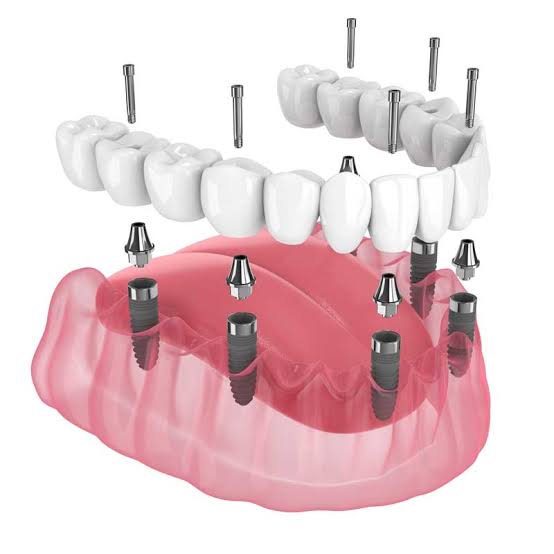

How Do Dentists Assess Wear and Repair Needs in Full-Arch Prostheses?
Have you ever wondered how dentists determine whether a full-arch dental prosthesis needs a minor repair, professional adjustment, or complete replacement? Full-arch prostheses are designed to restore the appearance and function of multiple missing teeth, helping patients speak, chew, and smile with greater confidence. However, everyday chewing forces, grinding habits, and changes in the supporting tissues can gradually affect their fit and durability.
Recognizing wear early is important because even a small defect can influence comfort, bite alignment, and the stability of the prosthesis. Dentists evaluate several factors, including the condition of the artificial teeth, the supporting structure, the connection points, and the surrounding oral tissues. Understanding this assessment process helps patients know what to expect during maintenance visits and why regular examinations are essential for protecting their investment in restorative dental care.
What Do Dentists Examine During a Full-Arch Prosthesis Evaluation?
A dental assessment begins with a visual examination of the prosthesis and the surrounding mouth. Dentists look for worn chewing surfaces, cracks, chips, discoloration, loose components, and signs that the prosthesis no longer fits as intended.
Patients visiting a trusted dentist in Weston Creek can have their prosthesis assessed for both visible damage and functional concerns. The dentist may also ask about discomfort, clicking sounds, difficulty chewing, or changes in speech. These details help identify problems that might not be obvious during a visual inspection alone.
The examination may include checking the gums, supporting bone where clinically appropriate, and the condition of any remaining natural teeth. For implant-supported prostheses, the dentist also evaluates the stability of the restoration and its attachment to the implants.
How Can Dentists Identify Wear and Structural Damage?
Wear often develops gradually as artificial teeth experience repeated chewing forces. Over time, the chewing surfaces may flatten, reducing their original shape and potentially affecting how the upper and lower teeth meet. Patients who grind or clench their teeth may experience more rapid wear.
Dentists assess whether the prosthesis has cracks, fractured acrylic, chipped ceramic, or damaged attachment components. They also examine whether screws or other connections have loosened in implant-supported designs. Depending on the restoration, additional tests or imaging may be necessary to investigate suspected problems.
Not every sign of wear means the entire prosthesis must be replaced. The location, severity, and cause of the damage help determine whether a targeted repair or a more extensive solution is appropriate.
Why Does Bite Alignment Matter When Assessing Repairs?
A prosthesis can appear intact yet still create problems if the bite forces are unevenly distributed. Excessive pressure on one area may contribute to discomfort, accelerated wear, fractures, or stress on implant components.
A trusted dentist in Wright can evaluate how the teeth contact during biting and chewing, looking for premature contacts or other signs of uneven loading. The dentist may also review changes in facial support, speech, and chewing efficiency.
If bite alignment contributes to the damage, repairing the visible defect alone may not resolve the underlying problem. The dentist may recommend adjusting the bite or investigating other factors that place excessive stress on the restoration.
When Is a Repair Enough, and When Is Replacement Necessary?
The appropriate treatment depends on the type of prosthesis, the extent of damage, and the condition of its supporting structures. Minor chips or localized wear may be repairable, while loose components may require tightening or replacement according to the manufacturer's specifications and clinical findings.
More extensive fractures, repeated failures, poor fit, or significant changes in the supporting tissues may require rebuilding or replacing the restoration. Dentists also consider whether the existing design continues to meet the patient's functional and aesthetic needs.
A trusted dentist in Weston Creek can explain the available options, their limitations, and the expected maintenance requirements before recommending a treatment plan.
How Can Regular Maintenance Extend Prosthesis Life?
Routine dental visits help identify early wear before it develops into a more complicated problem. Dentists may recommend professional cleaning, checking connections, reviewing bite contacts, and evaluating the health of the surrounding tissues. Patients should also follow the cleaning instructions appropriate for their specific prosthesis.
For people receiving ongoing restorative care, a trusted dentist in Wright can help establish a maintenance schedule based on the type of restoration, oral health, and individual risk factors. Avoiding habits such as chewing hard objects and seeking advice about nighttime grinding can also help reduce unnecessary stress.
Conclusion
Assessing wear in full-arch prostheses involves more than checking for visible cracks or chips. Dentists evaluate fit, bite alignment, structural integrity, attachment components, and surrounding oral tissues to determine the most suitable response. Regular maintenance and timely repairs can help preserve comfort, function, and the long-term performance of a full-arch restoration.
Médicaments et santé en France : informations essentielles pour des ch...

Guide des médicaments en ligne en France : information, sécurité et ch...

Oat Milk Manufacturing Plant Cost 2026: Setup Details, Capital Investm...


N-Butanol Production Plant Report 2026: Project Details, Machinery Req...