How Are Aligners Different From Braces?
When it comes to straightening teeth, many people in Dubai are curious about the differences between traditional braces and modern alternatives like Aligners in Dubai. Unlike conventional braces, which rely on metal brackets and wires, aligners offer a discreet and flexible approach to achieving a perfect smile. At Dynamic Clinic in Dubai, patients can explore tailored solutions for their orthodontic needs, benefiting from advanced dental technology. Understanding how aligners differ from braces can help you make an informed decision for your oral health journey.
Clear Appearance vs. Visible HardwareOne of the most noticeable differences between aligners and braces is their appearance.
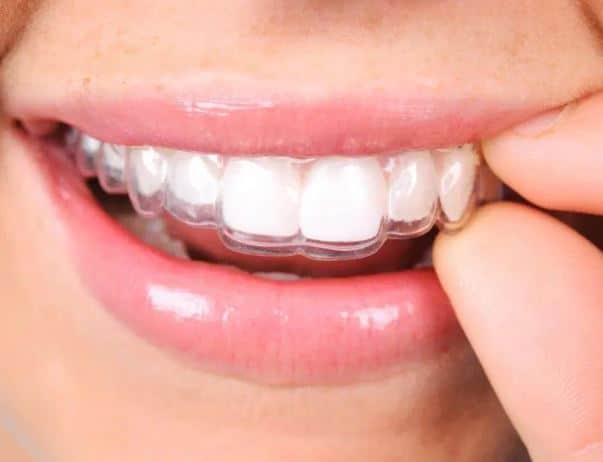
- Aligners: Made from transparent, medical-grade plastic, aligners are nearly invisible when worn. This makes them a popular choice for adults and professionals who prefer a subtle solution.
- Braces: Traditional braces use metal brackets attached to the teeth, connected by wires. They are more visible and can affect confidence during social interactions.
Comfort is a key factor in choosing between aligners and braces.
- Aligners: They are smooth and custom-molded to fit snugly over the teeth, reducing irritation to gums and cheeks. Aligners are removable, allowing for easy eating, drinking, and oral hygiene.
- Braces: Braces can cause discomfort initially due to tightening and may irritate the soft tissues of the mouth. Food restrictions and careful brushing are necessary to avoid damage.
The flexibility of the treatment process is another distinction.
- Aligners: Patients receive a series of aligners that gradually shift teeth into place. Each set is worn for about one to two weeks before progressing to the next. This controlled progression allows for predictable results with fewer emergency visits.
- Braces: Adjustments to braces are made periodically at the dental clinic. The process can be slower and may require more frequent in-person visits for wire tightening or bracket repairs.
Maintaining oral hygiene can be easier with aligners compared to braces.
- Aligners: Since aligners are removable, brushing and flossing remain straightforward, preventing plaque buildup and reducing the risk of cavities.
- Braces: Brushing around brackets and wires requires extra care. Food particles can get trapped, increasing the likelihood of dental issues if proper cleaning techniques are not followed.
Both aligners and braces can correct misaligned teeth, but certain conditions may favor one method.
- Aligners: Ideal for mild to moderate misalignments, gaps, and crowded teeth. Advanced technology allows dentists to customize treatment for individual needs.
- Braces: More effective for complex dental corrections, including severe crowding, bite irregularities, and rotated teeth. Braces can handle cases that aligners may struggle with.
Daily life and routines can influence the choice between aligners and braces.
- Aligners: Offer freedom to remove them for meals, sports, or special events, making them convenient for active lifestyles.
- Braces: Require dietary adjustments to avoid damaging wires or brackets and may limit participation in certain activities without protective measures.
Choosing between aligners and braces depends on personal preference, lifestyle, and the complexity of dental needs. Aligners in Dubai provide a discreet, comfortable, and flexible alternative to traditional braces, making them an attractive option for those seeking convenience and aesthetic appeal. Consulting with a trusted dental facility like Dynamic Clinic in Dubai ensures that patients receive tailored solutions that align with their oral health goals.