How air and ocean freight forwarding streamlines global trade efficiently
Learn how air and ocean freight forwarding supports global trade, improves supply chain efficiency, reduces costs, and ensures reliable international shipping solutions for growing businesses.
Introduction
Global trade has evolved into a complex, fast moving ecosystem where speed, cost control, reliability, and compliance determine success. Businesses today source raw materials from one continent, manufacture in another, and sell products across multiple international markets. At the heart of this global movement lies air and ocean freight forwarding, a critical service that connects manufacturers, suppliers, distributors, and consumers across borders.
Freight forwarding is far more than simply moving goods from point A to point B. It is a strategic process that involves planning routes, choosing transport modes, handling documentation, managing customs procedures, mitigating risks, and optimizing costs. When done correctly, it becomes a competitive advantage. When mismanaged, it can lead to delays, penalties, damaged goods, and lost customers.
This article provides a deep, practical, and professional exploration of air and ocean freight forwarding. You will learn how it works, when to use air freight versus ocean freight, how freight forwarders add value beyond transportation, the role of technology and compliance, and how businesses can optimize their supply chains using the right forwarding strategy. Whether you are an importer, exporter, supply chain manager, or business owner exploring international expansion, this guide will help you make informed decisions and build resilient logistics operations.
To fully appreciate the value of air and ocean freight forwarding, it is essential to understand what freight forwarding actually involves and how it fits into global logistics systems.
What freight forwarding really meansA freight forwarder is an intermediary between shippers and transportation services. Instead of owning ships or aircraft in most cases, freight forwarders coordinate with carriers, airlines, shipping lines, trucking companies, and port operators to move cargo efficiently. Their expertise lies in route planning, documentation, customs regulations, cargo consolidation, insurance, and risk management.
Air and ocean freight forwarding focuses specifically on international shipments moved by aircraft or sea vessels. Each mode serves different business needs, and forwarders help clients choose the best option based on urgency, cost, cargo type, destination, and regulatory requirements.
Core responsibilities of freight forwardersProfessional freight forwarders manage a wide range of tasks that go far beyond booking cargo space. These responsibilities typically include:
- Advising clients on optimal shipping routes and transport modes
- Negotiating freight rates with carriers
- Preparing and verifying shipping documentation
- Coordinating cargo pickup, consolidation, and delivery
- Managing customs clearance and regulatory compliance
- Arranging cargo insurance
- Monitoring shipments and resolving delays or disruptions
By handling these complex processes, freight forwarders allow businesses to focus on production, sales, and growth instead of logistics headaches.
Why businesses rely on forwarding expertiseInternational shipping involves constant changes in regulations, tariffs, port operations, and carrier policies. Without specialized knowledge, companies risk costly mistakes. Air and ocean freight forwarding professionals stay updated on global trade rules, security requirements, and best practices, helping businesses avoid compliance issues while maintaining efficient operations.
One of the most important decisions in international logistics is choosing between air freight and ocean freight. Each mode has distinct advantages, limitations, and ideal use cases. Understanding these differences helps businesses align shipping strategies with their operational goals.
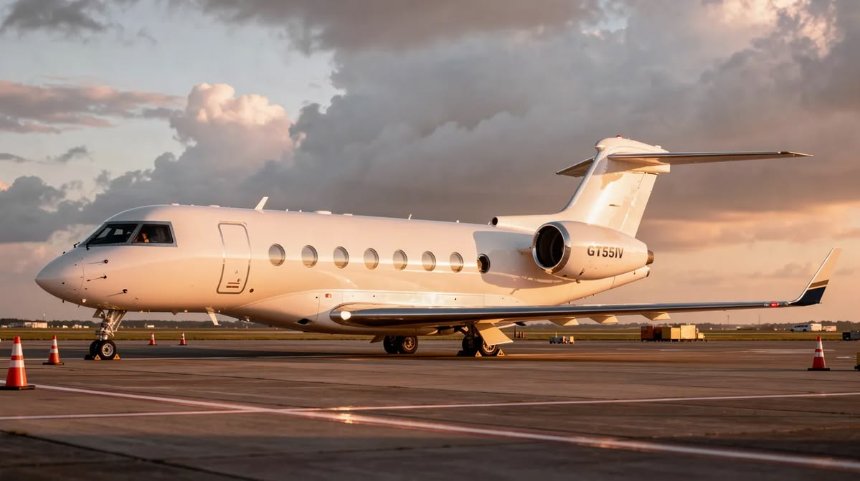
Air freight advantages and limitationsAir freight is known for speed and reliability. Goods transported by air typically reach their destination within days rather than weeks. This makes air freight ideal for time sensitive shipments, high value goods, or products with short life cycles.
Key advantages of air freight include:
- Fast transit times across long distances
- High reliability and predictable schedules
- Reduced risk of theft and damage
- Lower inventory holding costs due to faster delivery
However, air freight also has notable limitations:
- Higher transportation costs compared to ocean freight
- Weight and size restrictions
- Higher environmental impact per unit transported
Because of these factors, air freight is often used selectively for urgent shipments or premium goods rather than bulk cargo.
Ocean freight advantages and limitationsOcean freight remains the backbone of global trade, handling the majority of international cargo by volume. It is especially suitable for large shipments, heavy goods, and cost sensitive supply chains.
Key advantages of ocean freight include:
- Significantly lower cost per unit
- Ability to transport oversized and heavy cargo
- Flexible container options such as full container load and less than container load
- Lower carbon emissions per unit compared to air freight
Limitations of ocean freight include:
- Longer transit times, often several weeks
- Exposure to port congestion and weather delays
- More complex documentation and customs procedures
Despite these challenges, ocean freight remains the preferred option for most international shipments due to its cost efficiency and capacity.
How forwarders help choose the right modeExperienced air and ocean freight forwarding professionals analyze shipment requirements holistically. They consider factors such as delivery deadlines, cargo value, destination infrastructure, customs regulations, and budget constraints. In some cases, they may recommend multimodal solutions that combine air and ocean transport to balance speed and cost.
Freight forwarding plays a strategic role in shaping supply chain performance. It influences costs, delivery reliability, customer satisfaction, and overall business agility.
Optimizing cost efficiency and transit timesOne of the primary goals of air and ocean freight forwarding is cost optimization without compromising reliability. Forwarders leverage their carrier relationships, volume discounts, and market insights to secure competitive rates. They also plan routes that minimize delays and unnecessary handling.
By consolidating shipments or choosing alternative ports and gateways, forwarders can significantly reduce transportation expenses. These savings directly impact profit margins and pricing competitiveness.
Enhancing visibility and controlModern freight forwarding relies heavily on digital tools and tracking systems. Businesses benefit from real time shipment visibility, allowing them to monitor cargo status, anticipate delays, and communicate accurately with customers.
Enhanced visibility also supports better inventory planning. When companies know exactly where their goods are and when they will arrive, they can reduce safety stock levels and avoid stockouts or overstock situations.
Supporting scalability and global expansionFor companies entering new international markets, logistics complexity increases rapidly. Each country has unique customs requirements, trade agreements, and documentation standards. Air and ocean freight forwarding experts provide the knowledge and infrastructure needed to navigate these challenges.
By partnering with a capable forwarder, businesses can scale operations without building in house logistics teams in every market. This flexibility supports faster expansion and reduced operational risk.
Managing risk and complianceInternational shipping involves risks such as cargo damage, theft, regulatory violations, and geopolitical disruptions. Freight forwarders mitigate these risks through proper packaging guidance, insurance arrangements, compliance checks, and contingency planning.
Their familiarity with international trade laws helps businesses avoid fines, shipment holds, and reputational damage. This risk management function is often underestimated but highly valuable.
Documentation and compliance are among the most complex aspects of international shipping. Errors can cause costly delays or shipment rejections. Air and ocean freight forwarding professionals play a crucial role in ensuring accuracy and compliance.
Essential shipping documentsInternational shipments typically require multiple documents, including:
- Commercial invoice
- Packing list
- Bill of lading or air waybill
- Certificate of origin
- Export and import licenses where applicable
Each document must be accurate, consistent, and compliant with destination country regulations. Freight forwarders prepare, verify, and submit these documents on behalf of shippers.
Customs clearance proceduresCustoms clearance involves declaring goods to authorities, paying duties and taxes, and complying with import regulations. This process varies widely by country and product type.
Freight forwarders work closely with customs brokers to ensure smooth clearance. They classify goods correctly using harmonized system codes, calculate duties accurately, and respond promptly to customs inquiries.
Avoiding common compliance pitfallsCommon mistakes in international shipping include incorrect product descriptions, undervaluation, missing licenses, and improper labeling. Such errors can result in fines or shipment seizures.
By leveraging professional air and ocean freight forwarding services, businesses significantly reduce the risk of compliance failures and maintain smoother supply chain operations.
The freight forwarding industry has undergone significant transformation due to digitalization and technological innovation. These advancements enhance efficiency, transparency, and decision making.
Digital platforms and shipment trackingModern freight forwarders use digital platforms that integrate booking, documentation, tracking, and analytics. Shippers gain access to dashboards that provide real time updates on shipment status, estimated arrival times, and exception alerts.
This transparency improves collaboration between logistics teams, suppliers, and customers.
Data driven decision makingAdvanced analytics allow freight forwarders to analyze shipping patterns, carrier performance, and cost trends. These insights help businesses optimize routes, forecast demand, and negotiate better contracts.
Data driven strategies lead to more resilient and adaptive supply chains, especially in volatile global markets.
Automation and process efficiencyAutomation reduces manual paperwork, minimizes errors, and accelerates processing times. Electronic documentation, automated customs filings, and digital payments streamline operations across the logistics chain.
Forwarders that invest in technology deliver faster, more reliable services while reducing operational costs.
Environmental sustainability has become a priority for many businesses. Transportation is a significant contributor to global emissions, making logistics decisions increasingly important.
Comparing environmental impact of air and ocean freightAir freight has a higher carbon footprint per kilogram of cargo due to fuel intensity. Ocean freight, while slower, is generally more fuel efficient for large volumes.
Air and ocean freight forwarding experts help businesses evaluate environmental trade offs and choose more sustainable options when possible.
Sustainable logistics strategiesFreight forwarders support sustainability through measures such as:
- Optimizing routes to reduce fuel consumption
- Encouraging cargo consolidation
- Selecting fuel efficient carriers
- Offering carbon offset programs
These strategies help businesses align logistics operations with corporate sustainability goals.
Selecting the right freight forwarder is a strategic decision that impacts supply chain performance and customer satisfaction.
Key qualities to look forWhen evaluating air and ocean freight forwarding providers, businesses should consider:
- Industry experience and global network
- Transparency in pricing and communication
- Strong carrier relationships
- Expertise in customs and compliance
- Advanced technology capabilities
A reliable partner acts as an extension of your logistics team rather than just a service provider.
Importance of service customizationEvery business has unique shipping requirements. The best freight forwarders offer tailored solutions rather than one size fits all services. They take time to understand client goals, product characteristics, and market dynamics.
Terra Logistics offers ocean freight, road freight, air freight, warehousing, customs clearance project logistics
This type of comprehensive service portfolio illustrates how integrated logistics solutions can simplify supply chain management.
Building long term partnershipsLong term relationships with freight forwarders lead to better service, improved rates, and deeper understanding of business needs. Trust and communication are essential for navigating disruptions and achieving consistent results.
The global logistics landscape continues to evolve in response to economic shifts, technological advancements, and changing consumer expectations.
Impact of global trade trendsTrade agreements, geopolitical tensions, and shifting manufacturing hubs influence shipping routes and demand. Freight forwarders must adapt quickly to these changes to support clients effectively.
Role of resilience and flexibilityRecent global disruptions have highlighted the importance of resilient supply chains. Air and ocean freight forwarding providers are investing in contingency planning, diversified routes, and flexible capacity to manage uncertainty.
Continued digital transformationDigitalization will continue to reshape freight forwarding. Greater automation, artificial intelligence, and predictive analytics will further enhance efficiency and decision making.
Businesses that partner with forwarders embracing innovation will be better positioned for future growth.
Air and ocean freight forwarding is a cornerstone of global commerce, enabling businesses to move goods efficiently across borders while managing cost, risk, and compliance. By understanding the strengths of air and ocean transport, leveraging professional forwarding expertise, and embracing technology driven solutions, companies can build resilient and competitive supply chains.
Whether you are shipping high value products by air or large volumes by sea, the right freight forwarding partner can transform logistics from a challenge into a strategic advantage. As global trade continues to grow in complexity, informed decision making and expert support become more important than ever.
If your business is looking to optimize international shipping, reduce risk, and improve delivery performance, now is the time to evaluate your freight forwarding strategy. Partner with experienced professionals who understand your market, your cargo, and your growth ambitions, and take your global logistics operations to the next level.


Explore Creative Kitchen Cabinets Design Ideas for Your Home
A well-planned kitchen cabinets design can transform the appearance and functionality of y...