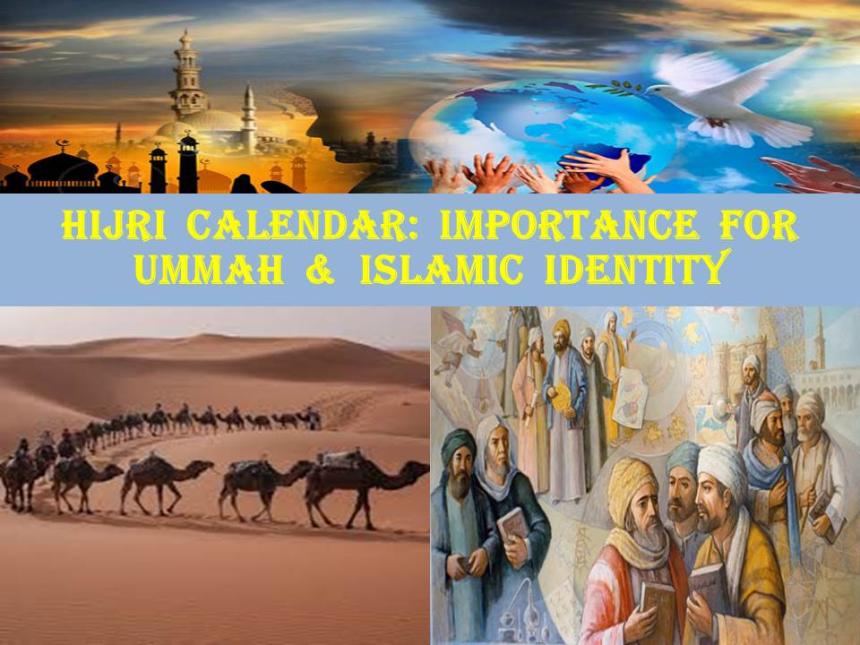

Hijri Calendar: Importance for Ummah & Islamic Identity
A calendar is a historical record that includes maps of time, showing the positions of years, months, and days. A day is created by the movement of the sun, a month by the movement of the moon, and a year is a calculation of the number of days and months. This write up "Hijri Calendar: Importance for Ummah & Islamic Identity" is an English translated opinion from an Arab Scholar Dr Ehsan Samara on FB.
أَعُوذُ بِاللّٰهِ مِنَ الشَّيْطَانِ الرَّجِيمِ
بِسۡمِ ٱللهِ ٱلرَّحۡمَـٰنِ ٱلرَّحِيمِ
In the name of ALLAH, the Most Gracious, the Most Merciful
Hijri Calendar: Importance for Ummah & Islamic Identity
The calendar is a chronological record that includes maps of time, showing the positions of years, months, and days. A day is generated by the movement of the sun, a month by the movement of the moon, and a year is a calculation of the number of days and months. God Almighty says:
“It is He who made the sun a shining light and the moon a reflected light and determined for it phases - that you may know the number of years and the account [of time]. God has not created this except in truth. He details the signs for a people who know.” (Yunus 10:5).
Therefore, the calendar has been a universal human characteristic and a social necessity, indispensable for any nation in every field. From the areas of daily life, both past and present; Whether in agricultural, industrial, commercial, practical, or other fields, the calendar has been a vital necessity in times of peace and war, and in any transaction between individuals, institutions, or ministries. Therefore, it has been an integral part of human life throughout history, and this pressing need has only grown over time, to the point that it is now impossible to imagine the life of an individual or society without it.
Among God's blessings upon humankind is that He made the movement of the sun and moon a guide for determining years and calculating time. God Almighty directed humankind's gaze to the heavens, and especially to the moon, so that they might deduce from its movement the science of measuring time, determining the number of years, and calculating the positions of years, months, and days. The day is generated from the movement of the sun and the month. The aforementioned verse is evidence that God Almighty provided humankind with the means to understand the science of the calendar before humankind was created, due to its importance in the lives of nations and peoples.
Consequently, every nation has its own calendar, to which it is attributed, by which it is distinguished, and according to which it records its events and days, and determines its course. Its holidays and rituals represent its history, religion, and civilization, serving as the keeper of its memory, the repository of its recollections, the record of its events, and the mirror of its culture. Therefore, we find that the ancient Egyptians, Persians, Romans, Indians, Jews, Chinese, and others had their own calendars. It was impossible for a nation to date events according to the calendar of another nation, or for adherents of a religion to date events according to the calendar of another religion, unless it was a defeated, subjugated nation, subjected to its enemy, and thus forced to use the calendar of its conqueror.
In most cases, those in positions of power who rule nations and peoples, along with their allied religious figures from each nation, are the guardians of the calendar. They determine the beginning and length of its months, the nature of its years, and their variations, such as intercalation and expansion. For example, we find Roman monks overseeing their calendar, Zoroastrian fire-keepers responsible for theirs, the chief rabbis of the Sanhedrin of the Jews responsible for theirs, and Pope Gregory XIII at the head of the committee for correcting the Christian calendar.
Similarly, we find that the Prophet (peace and blessings be upon him) used the Hijri calendar, and the same was true of the consensus of the Companions (may God be pleased with them) during the reign of the second Caliph of the Muslims, Umar ibn al-Khattab (may God be pleased with him).
This establishes for the Muslim nation, throughout the ages and until the Day of Judgment, its own calendar. It obligates them to adhere to the lunar calendar, which aligns with Muslim holidays and is used in their religious practices, preserving its purity throughout the ages and preventing its contamination by anything else, since the lunar calendar is divinely ordained, heavenly, universal, and divinely ordained.
God Almighty created the heavens and the earth, and it was not invented by astronomers. Likewise, astronomers have no authority over the names of the Arabic lunar months, nor over their number, sequence, or lengths, as is the case with other calendars that have given the names of pagan gods to the names of their months and days. For example, we find that the month of January is named after one of the Roman gods, as are February and March. We also find that the days of the week are named after gods who are worshipped. Sunday is the day of the sun, Monday is the day of the moon, and so on for the rest of the days of the week.
All of this occurs within a divinely ordained cosmic order, as the number of months in the year has been determined in the Book of God, where He, the Exalted, says:
“Indeed, the number of months with Allah is twelve months in the register of Allah [i.e., His decree] from the day He created the heavens and the earth; of these, four are sacred. That is the correct religion, so do not wrong yourselves during them. And fight against the polytheists collectively as they fight against you collectively. And know that Allah…” (with the righteous) At-Tawbah: (36), while the fingers of astronomers have tampered with the calendars of other nations in every detail of them, including the names of their months, their lengths, their forms, and their sequence, astronomers, or anyone else, have no authority over the lunar calendar.
No one can replace the name of one month with another, or the position of one month with another, or add a day to it, or subtract a day from it. It is a complete calendar that does not need modification or correction, and it is divinely ordained by the Almighty, the All-Knowing. In contrast, the calendars of other nations, based on the Gregorian (Julian) calendar, are arbitrary.
Julius Caesar moved the beginning of the year from March to January in 45 BC, and he decreed that the odd-numbered months should have 31 days and the even-numbered months 30 days, except for February, which has 29 days. If it is a leap year, it becomes thirty days. In honor of Julius Caesar, the month of Quintilis (the seventh month) was named July, and this was in 44 BC and in 8 BC. The month of Sextilis was renamed after Caesar, who defeated Antony at the Battle of Actium in 31 BC. To further honor him, an extra day was added to August, making it 31 days long, by taking a day from February.
This resulted in three consecutive months of 31 days (7, 8, and 9). Consequently, the 31st day was taken from both September and November and added to October and December. Another modification occurred during the papacy of Gregory XIII, who revised the Julian calendar to address its shortcomings. This calendar became known as the Gregorian calendar.The current Gregorian calendar is the one used today.
Before Islam, the Arabs followed the lunar calendar. However, they did not adopt their own calendar. Instead, they dated events according to major occurrences they considered significant and impactful, despite their reliance on the lunar year with its twelve months. Their dating was based on several significant events, including the construction of the Kaaba during the time of Abraham and Ishmael (peace be upon them) around 1855 BCE, the collapse of the Marib Dam around 130 BCE, and the death of Ka'b ibn Lu'ayy, the seventh ancestor of the Prophet Muhammad (peace and blessings be upon him), in 59 BCE. They also dated events based on the leadership of Amr ibn Luhayy in 260 CE, the Year of Treachery, the Year of the Elephant (the most famous of these) in 571 CE, the Fijar War which took place during the sacred months in 585 CE, and the renovation of the Kaaba in 605 CE.
The names of the lunar months varied until they reached their current form, as recorded by Al-Biruni in 412 CE, the fifth ancestor of the Prophet Muhammad (peace and blessings be upon him), Kilab. The pre-Islamic Arabs also used solar months in some regions, particularly in southern Arabia. (The people of Yemen) had a solar year that aligned with the twelve zodiac signs through which the sun passes, with each month beginning with the start of a specific sign.
Historians such as Al-Biruni, Al-Mas'udi, and Al-Maqrizi provided lists of the names of the months in pre-Islamic Arabia, including: Al-Mu'tamar, Najir, Siwan, Hantam, Zaba', Al-Asamm, 'Adil, Nafiq, Waghil, Haragh, and Barak. The current months have been known since the late fifth century CE. Muharram marks the beginning of the Hijri year, as it was before, being considered the first month of the lunar year. Before Islam, the Arabs resorted to the intercalation system, which gave them the right to postpone or advance some of the sacred months, namely four: Dhu al-Qi'dah, Dhu al-Hijjah, Muharram, and Rajab. The intercalators, those in charge of the intercalation, were called the "Kinana," and they were known as the "Qalamis." The Qalamis would announce at the end of the Hajj season which month would be postponed in the following year. A saying of theirs goes: "We have an intercalator under whose banner you walk; he makes the months permissible and forbidden as he pleases."
The practice of intercalation continued until Islam came and prohibited it, as Allah Almighty says: “Intercalation is only an increase in disbelief by which those who have disbelieved are led [further] astray. They make it lawful one year and unlawful another year to correspond to the number of months which Allah has made sacred and thus make lawful what Allah has made unlawful. Their evil deeds have been made attractive to them, and Allah does not guide the disbelieving people.” (At-Tawbah 9:37).
The Arabs also considered all even-numbered months to be 29 days long and called them “deficient.” They attempted to establish a lunar calendar by intercalating the lunar year to make it equivalent to the solar year. Al-Biruni and Al-Maqrizi say: “They They added nine months every 24 lunar years,” and Al-Mas’udi says, “They added one month every three years.” For a period, Muslims continued as before, where years were not given numerical dates but rather names reflecting significant events. The ten years following the Hijra, up to the death of the Prophet (peace and blessings be upon him), were given the following names:
The first year: The year of permission to migrate.
The second year: The year of the command to fight.
The third year: The year of testing.
The fourth year: The year of prosperity.
The fifth year: The year of the earthquake.
The sixth year: The year of familiarization.
The seventh year: The year of dominance.
The eighth year: The year of equilibrium.
The ninth year: The year of acquittal.
The tenth year: The year of farewell.
It was common among early Muslims to date events by significant occurrences, such as the Year of the Plague (referring to the Plague of Amwas) and the Year of the Ashes, up until the caliphate of Umar ibn al-Khattab. In the third year of his caliphate, a letter from Abu Musa was received. Al-Ash'ari, the governor of Basra, said: "Letters come to us from the Commander of the Faithful, and we don't know which to follow. We read a letter dated Sha'ban, but we don't know if it refers to the current month or the previous one!" At that point, Umar gathered the senior Companions to discuss this matter—the issue of the Islamic calendar. This took place on Wednesday, the 20th of Jumada al-Thani, 17 AH.
They concluded that it was necessary to choose a starting point for the Islamic calendar. Opinions differed: some suggested the Prophet's birth, others his mission, and still others the Persian or Roman calendars. However, the consensus settled on the opinion of Ali ibn Abi Talib, who suggested making the Hijra (migration) of the Prophet (peace be upon him) the beginning of the calendar. The first of Muharram in the year of the Hijra was chosen as the starting point of the Islamic calendar, even though the Hijra did not begin or end on that day. It began in late Safar, and the Prophet (peace be upon him) reached the outskirts of Medina on Monday, the 8th of Rabi' al-Awwal, and entered the city on Friday, the 12th of Rabi' al-Awwal. The beginning of this Hijri calendar coincided with the day of... Friday, July 16, 622 AD.
Thus, we find that the Hijri calendar is in harmony with Islamic legislation and linked to the character of the Muslim nation and its civilizational foundations. This is due to its independence and uniqueness, as it differs from the calendars of other nations by adopting the divinely ordained lunar calendar as a calendar specific to the Muslim community. Many acts of worship are linked to it, such as Zakat (obligatory charity), fasting during Ramadan, Hajj (pilgrimage), and numerous legal rulings, such as the waiting period for a divorced woman or a widow, breastfeeding, Zihar (a form of divorce), the age of the sacrificial animal, and expiations, such as the expiation for unintentional killing.
It also governs other rulings related to transactions whose execution and performance are tied to a specific date. Furthermore, it records significant Islamic events in the history of Muslims within the framework of the Islamic state's organization, making it virtually impossible to err. Even if an error were to occur due to human error, anyone could discover it within a day or two, and the calendar would be automatically corrected. All of this aligns with the universality of Islam's message and the civilizational role of Muslims in bearing witness to the truth, as stated in the verse: And thus We have made you a middle nation so that you may be witnesses over mankind and the Messenger may be a witness over you. And We did not make the qiblah which you used to face except to make evident who would follow the Messenger from who would turn back on his heels.
And indeed, you(It is a great burden except for those whom Allah has guided. And Allah would never let your faith go to waste. Indeed, Allah is ever Kind and Merciful to mankind.) (Al-Baqarah: 143)
(Indeed, the number of months with Allah is twelve months in the register of Allah [i.e., His decree] from the day He created the heavens and the earth; of these, four are sacred. That is the correct religion, so do not wrong yourselves during them. And fight against the polytheists collectively as they fight against you collectively. And know that Allah is with the righteous.) [At-Tawbah 9:36] God Almighty has spoken the truth.
Dr. Ihsan Samara
Tuesday: 1 Muharram 1448 AH - June 16, 2026 CE
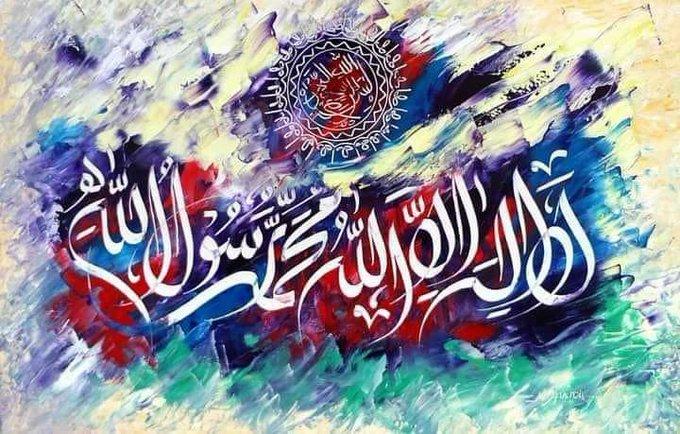
بسم الله الرحمن الرحيم
أهمية التأريخ بالتقويم الهجريّ في تميّز الأمة الإسلامية وارتباطها بهويتها الإسلاميّة
يُعد التقويم سجلا زمنيّاََ يشتمل على خرائط الأزمان، مُبيّن عليها مواقع السنين والشهور والأيام، حيث إن اليوم متولد من حركة الشمس، والشهر متولد من حركة القمر، والسنة حساب لعدد الأيام والشهور، حيث قال سبحانه: (هُوَ الَّذِي جَعَلَ الشَّمْسَ ضِيَاءً وَالْقَمَرَ نُورًا وَقَدَّرَهُ مَنَازِلَ لِتَعْلَمُوا عَدَدَ السِّنِينَ وَالْحِسَابَ ۚ مَا خَلَقَ اللَّهُ ذَٰلِكَ إِلَّا بِالْحَقِّ ۚ يُفَصِّلُ الْآيَاتِ لِقَوْمٍ يَعْلَمُون) يونس: (5)، ومن هنا فقد كان التقويم سمة بشرية عامة وضرورة اجتماعية، لا غنى عنه لأيّ أمة من الأمم، في كل مجال من مجالات الحياة اليومية قديماً وحديثاً؛ سواء فيما يتعلق بالمجالات الزراعيّة، أم الصناعيّة، أم التجاريّة، أم العمليّة، أم غير ذلك، وكذلك كان ضرورة حياتية في حالات السلم والحرب، وفي أي معاملة بين الأفراد، أو المؤسسات والوزارات، ولذلك قد لازم التقويم الإنسان، واحتاج إليه على مرّ التاريخ، وما زالت هذه الحاجة الملحَّة تتزايد إليه على مدار الزمن حتى لم يعد بالإمكان تصور حياة الفرد، أو المجتمع بدونه، ومن نعم الله على الإنسان أن جعل له من حركة الشمس والقمر دليلاً يهتدي به إلى معرفة السنين والحساب، وقد وجه الله عز وجل أبصار البشر إلى السماء، وبالأخص إلى القمر ليستنبطوا من حركته علم مقياس الزمن ومعرفة عدد السنين والحساب، مبينا عليها مواقع السنين والشهور والأيام، فاليوم متولد من حركة الشمس والشهر وفي الآية الآنف ذكرها دليل على أن الله عز وجل هيأ للإنسان أسباب معرفة علم التقويم قبل أن يُخلق الإنسان، وذلك لأهميته في حياة الأمم والشعوب، وبناء على ذلك كان لكل أمّة من الأمم تقويمها الخاص بها، وإليها يُنتسَب، وبه تتميّز، وبحسبه تُؤرخ أحداثها وأيّامها، وتحدد أعيادها ومناسكها، وهو يمثل تاريخها ودينها وحضارتها، باعتباره الحافظ لذاكرتها، وصندوق ذكرياتها، وسجل أحداثها ومرآة ثقافتها، ولذلك وجدنا للمصريّين القدماء والفرس والرومان والهنود واليهود والصينيّين وغيرهم تقاويمهم الخاصّة بهم، وكان يستحيل على أمّة أن تؤرخ بتقويم أمّة أخرى، أو على أصحاب ديانة أن يؤرخوا بتقويم ديانة أخرى، إلا إذا كانت أمّة مهزومة مأزومة خاضعة لعدوها الذي تؤرخ لنفسها بتأريخ غازيها.
وفي الغالب أنّ ذوي النفوذ المستبدين بالأمم والشعوب، ورجال الدين المتحالفين معهم من كل أمّة، هم القيّمين على التقويم، يُحدّدون بداية شهوره وأطواله، وطبيعة سنينه وأحوالها، من حيث البسط والكبس وغيرها، فنجد مثلا رهبان الرومان قوامين على تقويمهم، وسدنة نار المجوس مسؤولين عن تقويمهم، وكبار حاخامات السنهدرين من اليهود يختصون بتقويمهم، والبابا غريغوري الثالث عشر على رأس لجنة تصحيح تقويم النصارى… وكذلك وجدنا النبي أنّه كان يؤرخ بالتقويم الهجري، وكذلك الحال كان إجماع الصحابة رضوان الله عليهم في عهد خليفة المسلمين الثاني عمر بن الخطاب رضي الله عنه، فذلك ممّا يؤسس للأمّة الإسلاميّة على مرّ الأزمان وإلى قيام الساعة تقويمها الخاص بها، ويلزمها التمَسُّك بالعمل بالتقويم القمريّ الذي يتناسب مع أعياد المسلمين، ويعتمدون عليه في عباداتهم، والمحافظة على نقائه عبر العصور وعدم التلوث بلوثاتها، كون التقويم القمريّ ربانيّ سماويّ كونيّ توقيفيّ يوم أن خلق الله سبحانه السماوات والأرض، وليس هو من ابتداع من الفلكيّين، وكذلك ليس للفلكيّين سلطان على أسماء الشهور العربية القمرية، ولا على عددها، أو تسلسلها، أو أطوالها وقصرها، كما هي حال التقاويم الأخرى التي خلعت أسماء الآلهة الوثنيّة على أسماء شهورها وأيّامها؛ فنجد مثلاً شهر يناير اسماً لأحد آلهة الرومان، وكذلك فبراير ومارس، ونجد كذلك الأيام الأسبوعية تسمى بأسماء آلهة تعبد؛ فالأحد (Sunday) يوم الشمس، والاثنين (Monday) يوم القمر، وهكذا بقيّة أيّام الأسبوع، وإنما يتم كل ذلك في حركة كونية ربانية، حيث قد تمّ تحديد عدد الشهور السنوية في كتاب الله بقوله سبحانه: )إِنَّ عِدَّةَ الشُّهُورِ عِندَ اللَّهِ اثْنَا عَشَرَ شَهْرًا فِي كِتَابِ اللَّهِ يَوْمَ خَلَقَ السَّمَاوَاتِ وَالْأَرْضَ مِنْهَا أَرْبَعَةٌ حُرُمٌ ۚ ذَٰلِكَ الدِّينُ الْقَيِّمُ ۚ فَلَا تَظْلِمُوا فِيهِنَّ أَنفُسَكُمْ ۚ وَقَاتِلُوا الْمُشْرِكِينَ كَافَّةً كَمَا يُقَاتِلُونَكُمْ كَافَّةً ۚ وَاعْلَمُوا أَنَّ اللَّهَ مَعَ الْمُتَّقِينَ) التوبة: (36)، في الوقت الذي عبثت أصابع الفلكيين بتقويم الأمم الأخرى في كل جزئية من جزئياتها وأسماء شهورها وأطوالها وهيئاتها وتسلسلها، فإنّه لا سلطة للفلكيين، أو غيرهم على التقويم القمري، حيث لا يستطيع أحد استبدال اسم شهر بشهر، أو موقع شهر بشهر، أو يزيد فيه يوماً، أو ينقص منه يوماً، فهو تقويم كامل لا يحتاج إلى تعديل، أو تصحيح، وهو رباني من تقدير العزيز العليم، بينما تقاويم الأمم الأخرى بالتقويم الميلادي (اليولياني) مزاجيّ، إذ قد نقل يوليوس قيصر بداية السنة من شهر مارس إلى شهر يناير في سنة 45 ق.م، وقرر أن يكون عدد أيام الأشهر الفردية 31 يوماً والزوجية 30 يوماً عدا فبراير 29 يوماً، وإن كانت السنة كبيسة يصبح ثلاثون يوماً، وتكريماً ليوليوس قيصر سمي شهر كونتليس (الشهر السابع) باسم يوليو وكان ذلك في سنة 44 ق. م وفي سنة 8 ق. م غير شهر سكستيلس باسم القيصر الذي انتصر على أنطونيو في موقعة أكتيوم سنة 31 ق. م، ومن أجل مزيد من التكريم فقد زادوا يوماً في شهر أغسطس ليصبح 31 يوماً ق. م بأخذ يوم من أيام فبراير، مما قد ترتب على هذا التغيير توالي ثلاثة أشهر بطول 31 يوماً (7، 8، 9) نتيجة لذلك، وأخذ اليوم الحادي والثلاثين من كلٍّ من شهريّ سبتمبر ونوفمبر وأضيفا إلى شهريّ أكتوبر وديسمبر، وقد حدث تعديل آخر في عهد البابا (غريغور الثالث عشر) الذي قام بإجراء تعديلات على التقويم اليولياني حيث عالج الثغرات الموجودة في التقويم اليولياني، وقد عرف هذا التقويم باسم التقويم الغريغوري وهو التقويم الذي يعمل به حالياً في التقويم الميلادي. وقد اتبع العرب قبل الإسلام الحساب القمري؛ ولكنهم لم يعتمدوا تقويماً خاصاً بهم، وإنّما كانوا يؤرخون وفق أحداث كبرى يرونها مهمة وذات أثر، رغم اعتمادهم السنة القمرية بأشهرها الإثني عشرة، إذ أنّهم قد اعتمدوا في تاريخهم على بعض الأحداث الكبرى، ومن ذلك تأريخ بناء الكعبة زمن إبراهيم وإسماعيل عليهما السلام نحو عام 1855 ق.م، وانهيار سد مأرب سنة 130 ق.م تقريباً، ووفاة كعب بن لؤي الجد السابع لرسول الله سنة 59 ق.م، وأرخوا برئاسة عمرو بن لحي سنة 260، وبعام الغدر، وبعام الفيل وهو أشهرها سنة 571م، وبحرب الفجار التي وقعت في الأشهر الحرم سنة 585م، وبتاريخ تجديد الكعبة سنة 605م، هذا وقد اختلفت أسماء الأشهر القمرية إلى أن وصلت إلى صورتها المعروفة عليها من عهد كلاب الجد الخامس للرسول الله كما يذكر البيروني في سنة 412م، كما استخدم العرب في جاهليتهم الأشهر الشمسية في بعض المناطق وبخاصة في جنوب الجزيرة (أهل اليمن)، وكانت سنتهم الشمسية متطابقة مع الأبراج الفلكية الإثني عشر التي تمر بها الشمس، بحيث يبدأ كل شهر مع بداية برج معين، وقد قدم المؤرخون من أمثال البيروني والمسعودي والمقريزي سلاسل لأسماء الشهور في الجاهلية منها: المؤتمر، ناجر، صوان، حنتم، زباء، الأصم، عادل، نافق، واغل، هراغ، برك، أمّا الشهور الحاليّة فقد عرفت منذ أواخر القرن الخامس الميلادي، ويشكل محرّم بداية السنة الهجريّة كما كان عليه الحال قبل ذلك في اعتباره أول السنة القمرية، وقد لجأ العرب قبل الإسلام إلى نظام النسيء الذي يعطيهم الحق في تأخير، أو تسبيق بعض الأشهر المعروفة بالحُرُم وهي أربعة (ذو القعدة، ذو الحجة، محرم، رجب) وكان النّسأة أي من يتولون شؤون النسيء وهم "كنانة" يُسمّون بالقلامس، وكان القلمس يعلن في نهاية موسم الحج عن الشهر المؤجل في العام التالي، وفي ذلك يقول قائلهم: لنا ناسئ تمشون تحت لوائه يُحلّ إذا شاء الشهور ويحرّم.
ولقد استمرت عادة النسيء حتى جاء الإسلام ُيحرّم ذلك بقوله سبحانه: (إِنَّمَا النَّسِيءُ زِيَادَةٌ فِي الْكُفْرِ ۖ يُضَلُّ بِهِ الَّذِينَ كَفَرُوا يُحِلُّونَهُ عَامًا وَيُحَرِّمُونَهُ عَامًا لِّيُوَاطِئُوا عِدَّةَ مَا حَرَّمَ اللَّهُ فَيُحِلُّوا مَا حَرَّمَ اللَّهُ ۚ زُيِّنَ لَهُمْ سُوءُ أَعْمَالِهِمْ ۗ وَاللَّهُ لَا يَهْدِي الْقَوْمَ الْكَافِرِينَ) التوبة: (37)، وكذلك كان العرب يعتبرون كل الشهور الزوجية 29 يوماً ويسمونها ناقصة، وقد حاول العرب اعتماد سنة قمرية عن طريق كبس السنة القمرية لتصبح معادلة للسنة الشمسية، ويقول (البيروني والمقريزي): "إنهم كانوا يضيفون تسعة أشهر كل 24 سنة قمرية"، ويقول المسعودي: "إنهم كانوا يُكسبون كل ثلاث سنوات شهراً وحداََ، ولقد استمر المسلمون فترة من الزمن على ما كانوا عليه من قبل حيث لم تعط السنوات تواريخ رقميّة تدل عليها، وإنما أعطيت أسماء تدل على أشهر الحوادث، وقد أخذت السنوات العشر التالية للهجرة وحتى وفاة الرسول ، الأسماء التالية:
السنة الأولى: سنة الإذن بالهجرة.
السنة الثانية: السنة الثانية: سنة الأمر بالقتال.
السنة الثالثة: سنة التمحيص.
السنة الرابعة: الترفئة.
السنة الخامس: الزلزال.
السنة السادسة: الاستئناس.
السنة السابعة: الاستغلاب.
السنة الثامنة: الاستواء.
السنة التاسعة: البراءة.
السنة العاشرة: سنة الوداع.
وكان الشائع بين المسلمين في الصدر الأول التاريخ بما يحدث من الأمور الهامة في العام فيقولون مثلا عام الطاعون، أي طاعون عمواس، وعام الرمادة حتى خلافة عمر بن الخطاب، فقد ورد في السنة الثالثة من خلافته كتاب من أبي موسى الأشعري عامله على البصرة يقول فيه: "إنه يأتينا من أمير المؤمنين كتب فلا ندرى على أي نعمل، وقد قرأنا كتاباً محله شعبان فلا ندري أهو الذي نحن فيه، أم الماضي"! عندها جمع عمر أكابر الصحابة للتداول في هذا الأمر أي: أمر التاريخ، وكان ذلك في يوم الأربعاء 20 جمادى الآخرة من عام 17هـ، وانتهوا إلى ضرورة اختياره مبدأ التاريخ الإسلامي، وتباينت الآراء: فمنهم من رأى الأخذ بمولد النبي ، ومنهم من رأى ببعثته، ومنهم من رأى العمل بتقويم الفرس أو الروم؛ لكن الرأي استقر على الأخذ برأي علي بن أبي طالب الذي أشار إلى جعل مبدأ التقويم من هجرة الرسول ، وقد اتخذ أول المحرم من السنة التي هاجر فيها الرسول مبدأ التاريخ الإسلامي، على الرغم من أن الهجرة لم تبدأ ولم تنته في ذلك اليوم إنّما بدأت في أواخر شهر صفر ووصل رسول الله مشارف المدينة يوم الاثنين الثامن من ربيع الأول ثم دخل المدينة يوم الجمعة 12 من ربيع الأول، وقد توافق بداية هذا التقويم الهجري يوم الجمعة 16 من يوليو 622م.
ومن هنا نجد أن التقويم الهجري متناغم مع التشريعات الإسلامية، ومرتبط بشخصيّة الأمّة الإسلاميّة ومقوماتها الحضارية، وذلك لاستقلاليته وخصوصيته، حيث إنه يختلف عن تقاويم الأمم الأخرى، وذلك باعتماده التقويم القمريّ الربانيّ تقويماً خاصّاً بالأمّة الإسلاميّة، وترتبط به العديد من العبادات كالزكاة، وصوم رمضان، والحج، والكثير من الأحكام الشرعيّة، كعدة المطلقة، أو المتوفى عنها زوجها، والرضاع، والظهار، وسِنّ الأضحية، والكفارات، ككفارة القتل الخطأ، وغير ذلك من أحكام المعاملات المرتبط قضاؤها وأدائها بتاريخ محدد، وكذلك تسجيل الأحداث الإسلاميّة ذات الأثر في تاريخ المسلمين، في إطار تنظيم الدولة الإسلاميّة، بحيث يستحيل الخطأ فيه، وإن وقع الخطأ من جهة البشر، فبإمكان أي إنسان أن يكتشفه في غضون يوم أو يومين ويتم تصحيح العمل به تلقائياً، وذلك كله مما يتسق مع كون رسالة الإسلام عالمية، وأن دور المسلمين الحضاري في الشهادة على الناس بالحق في قوله سبحانه: (وَكَذَٰلِكَ جَعَلْنَاكُمْ أُمَّةً وَسَطًا لِّتَكُونُوا شُهَدَاءَ عَلَى النَّاسِ وَيَكُونَ الرَّسُولُ عَلَيْكُمْ شَهِيدًا ۗ وَمَا جَعَلْنَا الْقِبْلَةَ الَّتِي كُنتَ عَلَيْهَا إِلَّا لِنَعْلَمَ مَن يَتَّبِعُ الرَّسُولَ مِمَّن يَنقَلِبُ عَلَىٰ عَقِبَيْهِ ۚ وَإِن كَانَتْ لَكَبِيرَةً إِلَّا عَلَى الَّذِينَ هَدَى اللَّهُ ۗ وَمَا كَانَ اللَّهُ لِيُضِيعَ إِيمَانَكُمْ ۚ إِنَّ اللَّهَ بِالنَّاسِ لَرَءُوفٌ رَّحِيمٌ) البقرة: (١٤٣)؛ (إِنَّ عِدَّةَ الشُّهُورِ عِندَ اللَّهِ اثْنَا عَشَرَ شَهْرًا فِي كِتَابِ اللَّهِ يَوْمَ خَلَقَ السَّمَاوَاتِ وَالْأَرْضَ مِنْهَا أَرْبَعَةٌ حُرُمٌ ۚ ذَٰلِكَ الدِّينُ الْقَيِّمُ ۚ فَلَا تَظْلِمُوا فِيهِنَّ أَنفُسَكُمْ ۚ وَقَاتِلُوا الْمُشْرِكِينَ كَافَّةً كَمَا يُقَاتِلُونَكُمْ كَافَّةً ۚ وَاعْلَمُوا أَنَّ اللَّهَ مَعَ الْمُتَّقِينَ) التوبة: (36)صدق الله العظيم.
د. إحسان سمارة.
الثلاثاء:١/محرم/١٤٤٨ه.-٢٠٢٦/٦/١٦م.


Audio Transformers in Public Address Systems: Why Are They Needed?
Imagine yourself inside an active factory during the first hour of a working shift. You ne...