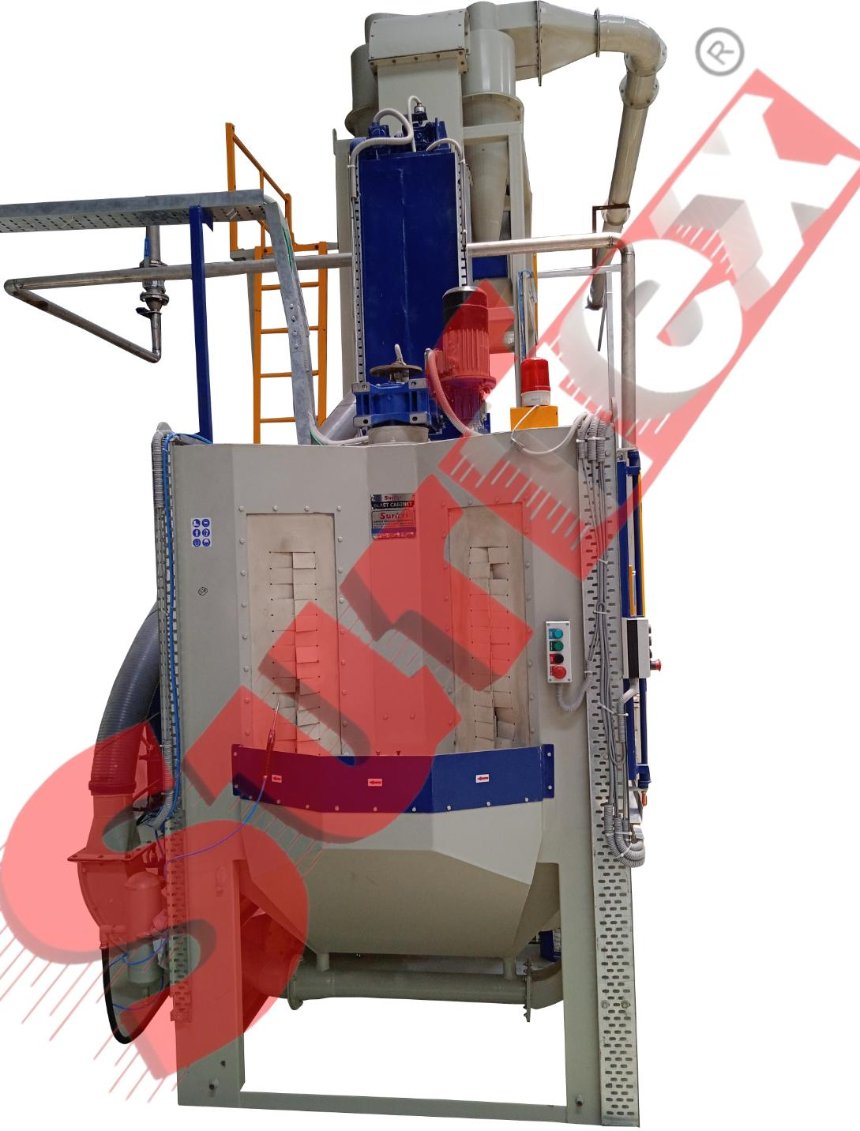

Heavy Structural Steel Roller Conveyor Shot Blast Line
Surface preparation is a critical phase in modern steel fabrication, construction, heavy equipment manufacturing, and shipbuilding.
Surface preparation is a critical phase in modern steel fabrication, construction, heavy equipment manufacturing, and shipbuilding. Unprocessed structural steel—such as I-beams, wide-flange profiles, channels, angles, plates, and welded steel fabrications—typically carries mill scale, rust, welding slag, and surface contaminants. If left untreated, these surface defects hinder non-destructive testing (NDT), impair coating adhesion, and lead to premature corrosion.
The heavy-duty roller conveyor shot blast line offers an automated, high-throughput solution engineered specifically to blast-clean large, heavy, and complex structural steel components continuously and uniformly. Shot Blasting Machine, Shot Blasting Machine Manufacturers, Robotic Shot Peening Machine, shot peening machine, Robotic Shot Peening Machine Manufacturers , shot blasting machine manufacturers in india , shot peening machine manufacturers in india, shot peening machine manufacturers, Roll Etching Machine Manufacturers, Shot Peening, Roller Conveyor Type Shot Blasting Machine,
The roller conveyor shot blast line operates on a continuous straight-through methodology. Structural steel elements are loaded onto an external entry roller conveyor, conveyed into a heavily armored blast chamber, subjected to high-velocity metallic abrasive impact, and exited through a blow-off/cleaning station prior to unload.
+------------------+ +-------------------+ +------------------+ +------------------+
| Entry Conveyor | --> | Blast Chamber | --> | Abrasive Cleanup | --> | Exit Conveyor |
| (Continuous Feed)| | (Turbine Blasting)| | (Blow-off/Brush) | | (Unloading Zone) |
+------------------+ +-------------------+ +------------------+ +------------------+
- Loading and Infeed: Heavy steel sections are placed onto the heavy-duty driven roller conveyor using overhead cranes or side-loading transfer cars. Variable frequency drives (VFDs) regulate the conveying speed based on the initial surface grade (ISO 8501-1 Grade A–D) and the target cleanliness level (typically Sa 2.5 or Sa 3.0).
- Blast Chamber Entry: As the workpieces cross the entry threshold, sensor arrays detect their profile and presence. This triggers the automatic abrasive control valves, engaging only the active blasting zones to minimize energy consumption and internal wear.
https://sfecindia.net/shot-peening-machine.html
https://sfecindia.net/robotic-shot-peening-machine.html
- High-Velocity Abrasive Impact: Inside the primary blast enclosure, multiple high-efficiency blast wheels (turbines) throw metallic media (steel shot, grit, or a mixed working mix) at velocities between 70m/s and 90m/s. The geometry of the wheel arrangement ensures 360-degree coverage across top flanges, bottom flanges, vertical webs, and interior corners in a single pass.
- Media Reclamation and Cleaning: Spent abrasive, broken media, mill scale, and dust drop through the perforated floor plates into lower collection hoppers.
- Air-Wash & Mechanical Separation: A screw conveyor transfers the mixture to a bucket elevator, which lifts the media to an overhead separator. Air-wash separators and magnetic drums remove fines, dust, and oversized debris, returning only clean, properly sized abrasive to the storage hopper.
- Post-Blast Cleaning & Discharge: Upon exiting the blast chamber, workpieces pass through high-pressure air blow-off nozzles and motorized height-adjusting rotary brushes to sweep away residual shot from horizontal surfaces and flange pockets. The cleaned structural steel then exits onto the discharge conveyor.
A heavy structural steel shot blast line is subjected to relentless mechanical stress and abrasive erosion. Building a reliable machine requires specialized material selection and robust structural engineering.
+------------------------------------+
| Bucket Elevator |
+------------------------------------+
|
v
+------------------------------------+
| Air-Wash Media Separator |
+------------------------------------+
|
v
+------------------------------------+
| Overhead Storage Hopper |
+------------------------------------+
|
v
+------------------+ +--------------------------+ +------------------+
| Entry Roller | --> | Blast Chamber / Wheels | --> | Exit Roller |
| Conveyor | | (Mn13 / High-Cr Liners) | | Conveyor |
+------------------+ +--------------------------+ +------------------+
|
v
+------------------------------------+
| Lower Screw Conveyor Hopper |
+------------------------------------+
The blast housing is fabricated from heavy-gauge structural steel plate reinforced with external structural ribbing. To withstand continuous abrasive bombardment, the primary blasting zone is fully lined with thick, replaceable manganese steel plates (such as Mn13 / Hadfield Steel) or high-chromium cast liners. Manganese steel exhibits work-hardening properties under impact, increasing its surface hardness during operation.
High-Efficiency Blast Wheel AssembliesThe turbine blast wheel is the heart of the system. Modern heavy-duty lines feature direct-drive or belt-driven blast wheels ranging from 15kW to 45kW per unit. Key design aspects include:
- Curved Blade Design: Enhances abrasive throw velocity and optimizes energy conversion compared to traditional straight blades.
- Precision Targeting: Strategic positioning angling top, bottom, and lateral turbines reduces blind spots on complex welded H-beams and trusses.
- Toolless Fast-Change Components: Impellers, control cages, and blade sets are engineered for rapid replacement during scheduled maintenance.
The roller conveyor must support high point loads, hot-rolled steel sag, and thermal distortion. Rollers are machined from heavy-wall seamless steel tubing or solid forged shafting, mounted on heavy-duty pillow block bearings positioned well outside the abrasive enclosure. Variable pitch and V-shaped drive wheels are often incorporated for round pipes or tubular structural hollow sections (HSS).
Multi-Stage Abrasive SealingTo keep metallic shot contained within the housing, the inlet and outlet vestibules feature multiple curtains of durable, high-elasticity natural rubber or polyurethane strips. Interlocking labyrinth seal panels minimize media loss and protect external shop environments.
3. Abrasive Handling, Filtration, and Dust CollectionMaintaining consistent surface profile (roughness Rz=40m to 75m) requires strict control over the abrasive working mix and airflow dynamics.
System PhaseMechanismPrimary FunctionPrimary ReclamationLongitudinal & Cross Screw ConveyorsCollects fallen shot and scale from the chamber pit.Elevator TransferContinuous Belt/Bucket ElevatorLifts abrasive mixture to the upper filtration head.SeparationRotary Screen + Air-Wash SeparatorRemoves coarse scale, fine dust, and fractured media; preserves working mix.Dust ExtractionReverse-Pulse Cartridge Filter SystemMaintains negative chamber pressure; captures sub-micron dust particles.Environmental Compliance and Dust ControlIntegrated dust collection systems utilize flame-retardant polyester cartridge filters equipped with automated pulse-jet air cleaning. The dust collector maintains a continuous negative pressure inside the main blast chamber, preventing fugitive dust emissions in the facility and meeting strict workplace air quality standards (e.g., OSHA / CE particulate thresholds below 5mg/m3).
4. Industrial Applications and AdvantagesHeavy structural roller conveyor shot blast lines are widely deployed across major industrial sectors:
- Steel Fabrication & Service Centers: Pre-blasting prime plates, wide-flange beams, and structural channels prior to cutting, drilling, and welding improves layout line visibility and tool longevity.
- Infrastructure & Bridge Construction: Preparing massive structural girders to achieve ISO 8501-1 Sa 2.5 / Sa 3.0 cleanliness standards ensures decades of adhesion performance for high-build epoxy and polyurethane protective coatings.
- Shipbuilding and Offshore Structures: Removing mill scale and shop primers from structural frames and stiffeners exposed to marine environments.
- Heavy Machinery & Mining Equipment: Cleaning large welded chassis assemblies, excavator booms, and crane booms prior to final paint.
- Automated Efficiency: Replaces labor-intensive, hazardous manual air-blasting with continuous, high-speed automated processing.
- Superior Coating Adhesion: Creates a uniform anchor profile, significantly extending paint life and reducing field warranty claims.
- Tool and Equipment Protection: Removing hard mill scale before drilling, milling, or thermal cutting extends CNC tool life and protects plasma/laser consumables.
- Consistent Quality Assurance: Eliminates human error and non-uniform coverage inherent to manual surface preparation.
To maximize uptime and maintain peak cleaning efficiency, operators must implement a rigorous preventive maintenance routine:
- Daily Inspections: Check blast wheel blade wear, control cage positioning, and curtain seal integrity. Inspect shot level in the main hopper.
- Weekly Checks: Inspect bucket elevator belt tension, screw conveyor flighting wear, and clean rotary separator screens to remove large debris.
- Abrasive Management: Maintain a balanced abrasive working mix by adding fresh steel shot in controlled batches rather than large, infrequent top-offs.
- Airflow Calibration: Regularly monitor pressure drops across dust collector cartridges to ensure adequate air velocity through the air-wash separator.
Heavy structural steel roller conveyor shot blast lines serve as the foundation of modern automated metal preparation. By combining high-impact turbine technology, robust mechanical handling, efficient abrasive recycling, and advanced dust filtration, these systems ensure heavy steel fabrications meet demanding industrial specifications safely and economically.