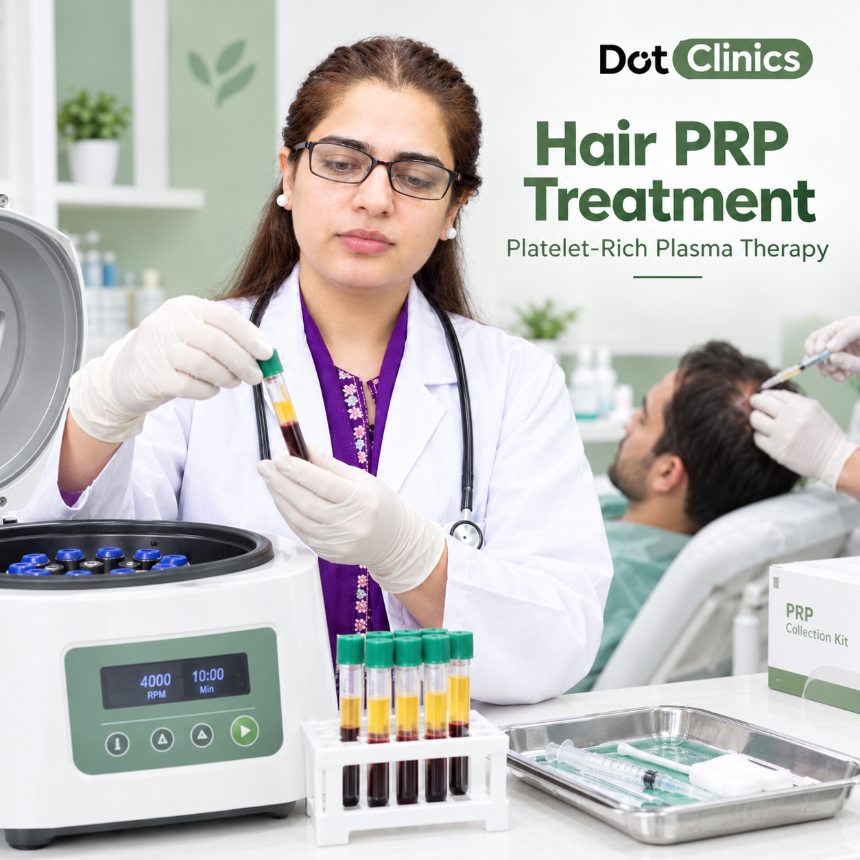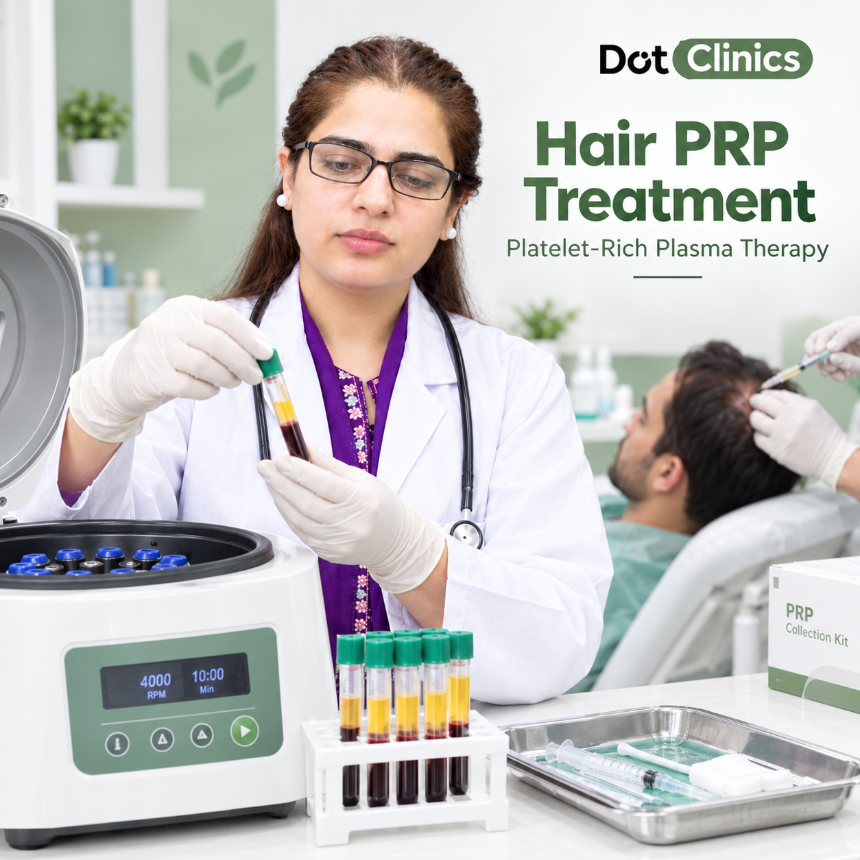

Hair loss is a common concern affecting both men and women. Whether it occurs because of genetics, hormonal changes, stress, nutritional deficiencies, aging, or other medical conditions, thinning hair can affect confidence and overall appearance. With advancements in aesthetic medicine, several treatments are now available to help improve hair density and support healthier hair growth. One increasingly popular option is Hair PRP (Platelet-Rich Plasma) Therapy.
Hair PRP is a non-surgical treatment that uses a patient's own blood to prepare a concentrated solution of platelets. This platelet-rich plasma contains growth factors that may help stimulate hair follicles, support tissue repair, and improve the hair growth environment.
Unlike hair transplantation, PRP does not involve surgically moving hair follicles from one area of the scalp to another. Instead, it aims to strengthen existing hair follicles and encourage natural hair growth.
In this comprehensive guide, we will explore everything you need to know about Hair PRP, including how it works, its benefits, treatment procedure, expected results, possible side effects, number of sessions, cost, and aftercare.
What Is Hair PRP Treatment?
Hair PRP stands for Platelet-Rich Plasma therapy. It is a minimally invasive treatment that uses plasma obtained from the patient's own blood. The plasma is processed to concentrate platelets, which contain growth factors and other biologically active substances involved in tissue repair and healing.
These concentrated platelets are injected into selected areas of the scalp where hair thinning or reduced hair density is present.
The main purpose of Hair PRP is to support the activity of existing hair follicles, improve the scalp environment, and potentially encourage thicker and healthier hair growth.
Hair PRP is commonly considered for people experiencing:
- Male pattern baldness.
- Female pattern hair loss.
- Early-stage hair thinning.
- Reduced hair density.
- Weak or miniaturized hair.
- Certain forms of non-scarring hair loss, following medical assessment.
- Hair thinning after a hair transplant, as an adjunctive treatment.
It is important to understand that PRP is not a guaranteed cure for baldness. Its effectiveness varies depending on the cause and severity of hair loss, the condition of the hair follicles, the patient's health, and the treatment protocol.
How Does Hair PRP Work?
Platelet-Rich plasma preparation. Tube with blood in hands. Centrifuge.
Platelet-Rich Plasma (PRP) Therapy For Hair Loss - McAllen, TX: RGV Endocrine Center
7
Hair PRP works by concentrating platelets from a small blood sample and delivering them into areas of the scalp affected by hair thinning.
Platelets naturally contain growth factors that participate in tissue repair, cellular communication, and healing processes. Researchers believe these growth factors may influence the biological activity of hair follicles.
The treatment generally involves three main stages.
1. Blood Collection
A healthcare professional collects a small amount of blood from the patient's arm using a sterile syringe or blood collection tube.
The blood is then prepared for processing.
2. Centrifugation
The collected blood is placed in a specialized centrifuge machine. This machine spins the blood at a controlled speed to separate its components according to their density.
The process helps isolate plasma with a higher concentration of platelets.
3. PRP Injection Into the Scalp
The prepared PRP is carefully injected into selected areas of the scalp using fine needles.
The injections are distributed across areas where hair thinning is visible. The objective is to deliver platelet-derived growth factors near existing hair follicles.
Over time, the treatment may help improve hair thickness and density in suitable patients.
Benefits of Hair PRP Treatment
Closeup view of healthy dark woman`s hair
Hair PRP offers several potential benefits for individuals experiencing hair thinning. Because it uses the patient's own blood, it also avoids introducing donor-derived biological material.
Some of its important benefits include:
1. Supports Natural Hair Growth
PRP contains growth factors that may help support the biological activity of hair follicles. These factors are involved in cellular repair and tissue regeneration.
In suitable patients, PRP may help improve hair growth and support healthier-looking hair.
2. Improves Hair Thickness
One of the main reasons people choose PRP is to address thinning hair.
Some patients experience improvements in hair shaft thickness and density after completing an appropriate treatment course.
3. Minimally Invasive Procedure
Hair PRP does not require surgery, stitches, or the removal of hair follicles from another part of the scalp.
The procedure involves blood collection followed by small injections into the scalp.
4. Uses the Patient's Own Blood
PRP is an autologous treatment, meaning it is prepared from the patient's own blood.
This reduces concerns associated with donor-derived materials, although it does not eliminate the possibility of infection, inflammation, or other complications.
5. Minimal Downtime
Most patients can return to their normal daily activities relatively quickly.
Some temporary redness, tenderness, or swelling may occur, but significant recovery time is generally not required.
6. May Complement Other Hair Loss Treatments
PRP can sometimes be used alongside other medically recommended hair loss treatments.
Depending on the diagnosis, a dermatologist may recommend combining PRP with medications or other hair restoration approaches.
7. Non-Surgical Hair Restoration Option
For individuals who are not ready for hair transplantation or are not suitable surgical candidates, PRP may offer a non-surgical option to discuss with a qualified healthcare professional.
Who Is a Good Candidate for Hair PRP?
Hair PRP may be suitable for men and women experiencing certain types of hair loss, particularly when hair follicles are still present and capable of producing hair.
A healthcare professional should examine the scalp and identify the underlying cause before recommending treatment.
Ideal Candidates
You may be a suitable candidate if you:
- Have early-stage male or female pattern hair loss.
- Experience gradual hair thinning.
- Have reduced hair density but still have active hair follicles.
- Notice increased hair shedding.
- Want a non-surgical hair restoration option.
- Prefer a treatment that uses your own blood.
- Are looking for an additional treatment alongside an established hair loss management plan.
Who May Not Be Suitable for Hair PRP?
PRP may not be appropriate for everyone. People with certain medical conditions may need alternative treatments or additional assessment.
These include individuals with:
- Severe or advanced baldness with inactive or permanently lost follicles.
- Certain platelet disorders.
- Significant blood clotting abnormalities.
- Active scalp infections.
- Certain blood-related conditions.
- Severe anemia or other conditions affecting blood quality.
- Certain medical conditions or medications that may interfere with the procedure.
Pregnant individuals and people with significant underlying health problems should discuss treatment suitability with their healthcare professionals.
Important: A dermatologist should determine whether PRP is appropriate after examining the scalp, reviewing medical history, and assessing the pattern of hair loss.
Hair PRP Procedure: Step-by-Step Guide
Platelet Rich Plasma Treatment, Drawing Blood
Máy ly tâm PRP, PRF, CGF / Máy ly tâm thẩm mỹ DM0412P DLAB SCIENTIFIC
Elite Kalpana Skin Clinic | Expert Dermatology in Nashik
8
Hair PRP is generally performed as an outpatient procedure in a medical clinic. It usually takes approximately 30–60 minutes, although the exact duration depends on the preparation system and treatment area.
Here is what typically happens during a session.
Step 1: Initial Consultation
The first step is a consultation with a qualified dermatologist or medical professional.
During this consultation, the healthcare provider:
- Examines the scalp and hair density.
- Reviews the patient's medical history.
- Identifies possible causes of hair loss.
- Discusses previous hair loss treatments.
- Determines whether PRP is appropriate.
- Develops an individualized treatment plan.
Photographs may also be taken to compare hair density before and after treatment.
Step 2: Blood Collection
A small amount of blood is collected from the patient's arm.
The amount depends on the PRP preparation system and the size of the treatment area.
The collected blood is placed into specially designed tubes for processing.
Step 3: Blood Processing
The blood sample is placed in a centrifuge machine.
Centrifugation separates the blood into different components, allowing the healthcare professional to collect the platelet-rich portion.
The quality and concentration of the prepared PRP can vary depending on the equipment, processing method, platelet count, and preparation protocol.
Step 4: Scalp Preparation
Before injections begin, the treatment area is cleaned and disinfected.
A topical numbing cream or another appropriate anesthetic technique may be used to minimize discomfort.
The healthcare professional identifies the areas that require treatment.
Step 5: PRP Injections
The prepared platelet-rich plasma is injected into the scalp using fine needles.
Injections are administered across the affected areas, particularly where hair thinning is visible.
The depth, quantity, and distribution of injections depend on the patient's condition and the clinician's treatment protocol.
Step 6: Post-Treatment Assessment
After the injections, the healthcare professional checks the scalp for any immediate reactions.
Patients receive instructions about washing their hair, physical activities, medications, and other aftercare requirements.
Most people can return to their usual routine shortly after treatment.
How Many Hair PRP Sessions Are Required?
The number of PRP sessions depends on the severity of hair loss, the patient's response, and the treatment protocol.
A commonly used initial treatment schedule includes three sessions, usually performed approximately one month apart.
PRP Hair Treatment: How It Works for Hair Loss
A typical treatment schedule may look like this:
Treatment stageSuggested timingFirst sessionMonth 1Second sessionMonth 2Third sessionMonth 3MaintenanceEvery 3–6 months, if recommendedThis is a general example, not a fixed schedule for every patient. Some people may require additional sessions, while others may follow a different maintenance plan.
The American Academy of Dermatology describes a common approach involving monthly injections for three months, followed by repeat treatments every three to six months.
American Academy of Dermatology
Hair PRP Results: When Can You Expect to See Improvement?
Hair PRP results develop gradually because hair follicles follow natural growth cycles.
Unlike cosmetic procedures that produce immediate visible changes, PRP requires time before potential improvements in hair shedding, density, and appearance become noticeable.
The timeline varies from person to person.
First Few Days
Immediately after treatment, patients may experience mild scalp tenderness, redness, or swelling.
There is generally no immediate visible hair growth.
First Month
During the first month, some patients may notice a reduction in excessive hair shedding.
However, not everyone experiences noticeable changes at this stage.
Second to Third Month
Some patients begin noticing improvements in hair appearance and reduced shedding.
Hair density changes may still be subtle.
Third to Sixth Month
This is an important period for evaluating the treatment response.
Some patients experience improvements in hair density and overall scalp coverage.
Six Months and Beyond
The healthcare professional can assess the results using photographs and scalp examinations.
Maintenance sessions may be recommended if the treatment has been beneficial.
PRP Hair Loss | Knoxville Center for Dermatology and Plastic Surgery
PRP Treatment for Hair Regrowth - MONARCH MD & HAIR LAB MD
11
Remember: Individual results vary. PRP cannot guarantee complete hair regrowth, and it is generally less useful for areas where hair follicles have been permanently lost.
Hair PRP Before and After: What Changes Can You Expect?
Before-and-after photographs are often used to evaluate the effectiveness of Hair PRP.
Depending on the patient's response, potential improvements may include:
- Reduced visible scalp exposure.
- Improved hair density.
- Healthier-looking hair.
- Reduced hair shedding.
- Improved coverage in thinning areas.
- Better overall hair appearance.
However, photographs should be taken under similar lighting, angles, hairstyles, and hair lengths to make comparisons meaningful.
Patients should also understand that results shown in advertisements may not represent typical outcomes.
Side Effects of Hair PRP Treatment
Hair PRP is generally considered a well-tolerated procedure when performed by a trained professional using sterile equipment.
Because it involves injections, temporary side effects can occur.
Common side effects include:
1. Scalp Pain or Tenderness
Patients may experience mild discomfort during or after the injections.
This usually improves within a short period.
2. Redness
The treated area may become slightly red due to the injections.
Redness generally resolves without specific treatment.
3. Swelling
Temporary swelling around injection sites can occur.
It usually settles within a few days.
4. Bruising
Small bruises may develop around injection points, particularly in people who bruise easily.
5. Headache
Some patients experience a mild headache or scalp tightness after the procedure.
6. Infection
Although uncommon with proper sterile techniques, infection is a possible complication of any injection-based procedure.
7. Temporary Increased Discomfort
Some individuals experience tenderness or sensitivity when touching or washing their scalp.
Most reported reactions are mild and temporary. However, persistent pain, spreading redness, fever, pus, or worsening swelling should be assessed promptly by a healthcare professional.
Hair PRP Aftercare: What Should You Do After Treatment?
Refresh Hair and Scalp Wash – Simply Organic Beauty
Following the recommended aftercare instructions can help minimize irritation and support recovery.
Here are some general recommendations.
1. Avoid Touching the Scalp Unnecessarily
Try not to rub, scratch, or massage the treated area immediately after the procedure.
This helps reduce irritation and protects the injection sites.
2. Follow Hair Washing Instructions
Your healthcare provider may recommend waiting several hours or until the following day before washing your hair.
Follow the specific instructions provided by your clinic.
3. Avoid Strenuous Exercise Temporarily
It may be advisable to avoid intense workouts, heavy sweating, and strenuous physical activities for approximately 24–48 hours.
4. Avoid Excessive Heat
Avoid saunas, steam rooms, and very hot showers immediately after treatment if advised by your healthcare professional.
5. Avoid Harsh Hair Products
Avoid applying irritating chemicals, strong styling products, or treatments directly to the scalp until the injection sites have settled.
6. Follow Medication Advice
Discuss pain relief and any medications that affect blood clotting with your healthcare provider.
Do not independently stop prescribed aspirin, anticoagulants, or other medications.
7. Maintain a Healthy Lifestyle
A balanced diet, adequate protein intake, good sleep, and management of nutritional deficiencies can support overall hair health.
Aftercare instructions may vary depending on the PRP protocol and the patient's medical history.
Hair PRP Cost: What Determines the Price?
The cost of Hair PRP varies depending on the clinic, treatment technology, preparation method, and number of sessions required.
There is no universal price because each patient's hair loss condition and treatment plan may be different.
Several factors influence the total cost.
1. Clinic Location: Prices may differ between cities, countries, and healthcare facilities.
2. Equipment and Technology: Specialized centrifugation systems and PRP preparation kits can affect treatment costs.
3. Number of Sessions: Patients requiring multiple sessions will generally have higher overall treatment expenses.
4. Healthcare Professional's Experience: The qualifications and experience of the treating professional may influence pricing.
5. Treatment Area: Patients with extensive scalp thinning may require more preparation material or additional injections.
6. Additional Treatments: Combining PRP with other hair loss treatments may increase the total cost.
Hair PRP Cost in Pakistan
In Pakistan, Hair PRP prices can vary between clinics in Lahore, Multan, Islamabad, Karachi, and other cities.
Before selecting a clinic, patients should ask whether the quoted price includes:
- Initial consultation.
- Blood collection.
- PRP preparation.
- Scalp injections.
- Follow-up appointments.
- Maintenance sessions.
It is advisable to compare treatment quality, hygiene standards, and professional qualifications rather than choosing a clinic based on the lowest price alone.
Hair PRP vs. Hair Transplant: What Is the Difference?
Hair PRP and hair transplantation are two different approaches to hair restoration. Both may be useful for people experiencing hair loss, but they work in different ways.
PRP for Hair Loss: Efficacy, Cost and More | Hair, Lash & Brows | VEGAMOUR
PRP Hair Restoration in Bronxville, NY | Livinz Medspa
PRP Hair Treatment London | Hair Loss Therapy | Dr SNA Clinic
6
PRP may be helpful for patients with early-stage hair thinning, whereas hair transplantation may be considered for people with more advanced pattern baldness.
A dermatologist or hair restoration specialist can determine which approach is appropriate.
Hair PRP vs. Other Hair Loss Treatments
PRP is not the only option available for managing hair loss. Several treatments can be considered depending on the underlying diagnosis.
1. PRP vs. Minoxidil
Minoxidil is a topical medication commonly used to treat male and female pattern hair loss.
It works differently from PRP and generally requires consistent use to maintain its benefits.
PRP involves periodic scalp injections, whereas minoxidil is usually applied regularly.
In some patients, a dermatologist may recommend both treatments.
2. PRP vs. Finasteride
Finasteride is an oral prescription medication used primarily for male pattern hair loss.
It works by reducing the conversion of testosterone into dihydrotestosterone (DHT), which contributes to follicle miniaturization in genetically susceptible individuals.
Unlike PRP, finasteride addresses a hormonal pathway associated with hair loss.
It is not suitable for everyone and requires medical supervision.
3. PRP vs. Hair Mesotherapy
Hair mesotherapy involves injecting selected substances into the scalp. Depending on the provider, these may include vitamins, medications, or other formulations.
PRP is different because it uses platelet-rich plasma prepared from the patient's blood.
The evidence supporting different mesotherapy formulations varies considerably.
4. PRP vs. Low-Level Laser Therapy
Low-level laser therapy uses specific wavelengths of light to stimulate biological activity in scalp tissues.
It is a non-invasive treatment that does not require blood collection or injections.
Some patients may benefit from combining different hair restoration approaches under professional supervision.
What Does Scientific Research Say About Hair PRP?
Hair PRP has been investigated in numerous clinical studies, particularly for androgenetic alopecia, also known as male and female pattern hair loss.
Research suggests that PRP may improve hair density and reduce hair shedding in some patients.
A 2025 systematic review and meta-analysis published in Dermatology and Therapy evaluated 43 randomized controlled trials involving 1,877 participants. The researchers reported improvements in hair density and reduced hair loss, although results varied between PRP preparations and studies. They also highlighted the need for more standardized clinical research.
Springer Link+1
A separate 2024 systematic review of randomized clinical trials involving 431 participants found a potential improvement in hair density among people with androgenetic alopecia. However, the researchers rated the evidence as low quality because of substantial differences between studies and potential publication bias.
PubMed+1
The American Academy of Dermatology also recognizes PRP as a potential treatment option for hair loss and explains that repeat injections are generally needed to maintain treatment.
American Academy of Dermatology
Overall, current research is encouraging, but PRP should not be presented as a guaranteed solution. More high-quality studies are needed to establish the most effective preparation methods, treatment schedules, and long-term outcomes.
How to Choose the Best Hair PRP Clinic?
Choosing an appropriate clinic is an important part of the treatment process.
Because PRP involves blood collection, processing, and scalp injections, patients should prioritize professional qualifications, hygiene, and treatment quality.
Consider the following factors before booking an appointment.
1. Qualified Medical Professionals
Choose a clinic where PRP is performed or supervised by appropriately trained healthcare professionals.
2. Proper PRP Preparation Equipment
Ask about the centrifuge system, blood collection tubes, and preparation protocols used by the clinic.
3. Sterilization and Hygiene
Ensure that sterile, single-use needles and appropriate infection-control procedures are followed.
4. Individualized Treatment Plans
A reputable clinic should assess the cause of hair loss before recommending PRP.
Avoid facilities that promise guaranteed hair regrowth without examining your scalp.
5. Transparent Pricing
Ask for a clear explanation of the treatment cost, number of sessions, and possible maintenance expenses.
6. Realistic Expectations
A trustworthy healthcare professional should explain the potential benefits, limitations, side effects, and alternative treatments.
Frequently Asked Questions About Hair PRP
1. Is Hair PRP Treatment Painful?
Hair PRP involves multiple small injections into the scalp. Patients may experience mild discomfort, but topical anesthetic or other pain-reduction techniques can help make the procedure more comfortable.
2. How Long Does a Hair PRP Session Take?
A typical session takes approximately 30–60 minutes, depending on blood processing, preparation, and the size of the treatment area.
3. How Many PRP Sessions Are Needed for Hair Growth?
Many treatment protocols begin with three sessions approximately one month apart. Additional maintenance sessions may be recommended every three to six months, depending on individual results.
4. When Will I See Results From Hair PRP?
Some patients notice reduced hair shedding within the first few months. Improvements in hair density may become more noticeable after three to six months.
Results vary depending on the patient's condition and response to treatment.
5. Is Hair PRP Safe?
Hair PRP is generally well tolerated when performed by qualified professionals using appropriate sterile techniques. Temporary redness, swelling, tenderness, and bruising are possible.
6. Can Women Get Hair PRP?
Yes. Women experiencing suitable forms of hair thinning, including female pattern hair loss, may benefit from PRP after a proper medical assessment.
7. Can Men Get Hair PRP?
Yes. Men with early-stage male pattern hair loss may be candidates for PRP, particularly when existing follicles are still present.
8. Does Hair PRP Work for Complete Baldness?
PRP is unlikely to restore hair in completely bald areas where hair follicles have been permanently lost. It is generally more suitable for areas with existing but weakened or miniaturized follicles.
9. Can Hair PRP Stop Hair Fall Permanently?
No. PRP does not permanently cure the underlying causes of genetic hair loss. Maintenance treatments and other medical therapies may be needed to manage ongoing hair thinning.
10. Can Hair PRP Be Combined With Minoxidil?
Yes. A dermatologist may recommend combining PRP with minoxidil when appropriate. The treatment schedule should be determined by the healthcare professional.
11. Can Hair PRP Be Done After a Hair Transplant?
Yes. PRP is sometimes used as an additional treatment after hair transplantation. The timing should be determined by the transplant surgeon based on healing and individual circumstances.
12. Does Hair PRP Have Any Serious Side Effects?
Serious complications are uncommon, but infection, significant inflammation, or other injection-related complications are possible. Appropriate medical assessment and sterile techniques help reduce risks.
13. Is Hair PRP Suitable for Every Type of Hair Loss?
No. PRP is not equally effective for every type of alopecia. Sudden hair loss, patchy hair loss, scarring alopecia, and hair loss caused by underlying medical conditions require specific diagnosis and treatment.
14. Do I Need to Shave My Head Before Hair PRP?
No. Hair shaving is generally not necessary for PRP treatment. The healthcare professional can access the required scalp areas without shaving the entire head.
15. Can Hair PRP Increase Hair Thickness?
Some studies report improvements in hair thickness, but the results are inconsistent. Research more consistently suggests a potential improvement in hair density, and individual outcomes vary.
Conclusion: Is Hair PRP Worth Considering?
Hair PRP is a promising non-surgical treatment option for individuals experiencing certain forms of hair thinning and pattern hair loss. By using platelet-rich plasma prepared from the patient's own blood, the treatment aims to support existing hair follicles and improve the scalp environment.
Potential benefits include improved hair density, reduced shedding, and healthier-looking hair. It also offers a minimally invasive approach with relatively little downtime.
However, Hair PRP is not a permanent cure for baldness, and results are not guaranteed. The effectiveness depends on the underlying cause of hair loss, follicle condition, treatment protocol, and individual response.
Before starting treatment, consult a qualified dermatologist or hair restoration specialist to identify the cause of hair loss and determine whether PRP is suitable.
With an accurate diagnosis, realistic expectations, and an individualized treatment plan, Hair PRP may be a useful part of a broader hair restoration strategy.
Medical References and Further Reading
- Platelet-Rich Plasma in the Management of Alopecia – Systematic Review and Meta-Analysis (2025).
- American Academy of Dermatology – Hair Loss: Diagnosis and Treatment.
- Systematic Review of PRP for Androgenetic Alopecia (2024).
- Effectiveness of PRP in Treating Female Hair Loss (2024).
Medical disclaimer: This article is intended for educational purposes and does not replace professional medical advice, diagnosis, or treatment.