
Grease Buildup Removal That Meets Health Standards
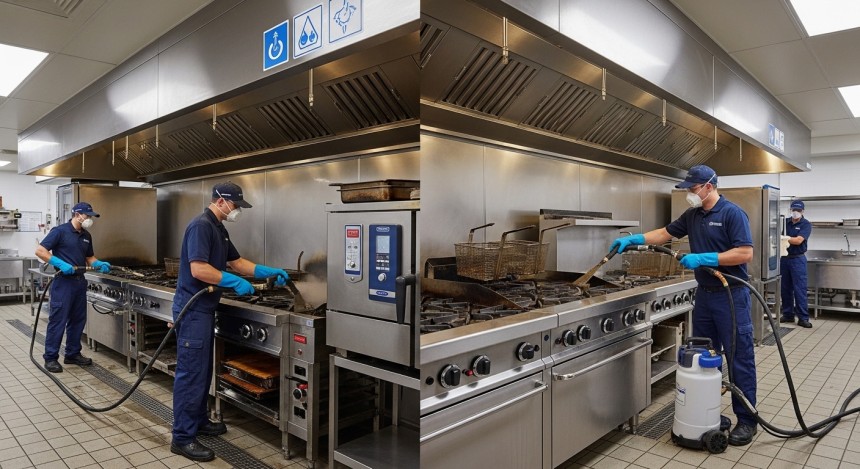
Grease buildup in commercial kitchens poses one of the most persistent challenges facing food service establishments today. High-volume cooking operations generate substantial oil and fat residue that accumulates on equipment, surfaces, and ventilation systems, creating environments that threaten both food safety and fire prevention standards. This accumulation happens gradually but relentlessly, often escaping notice until health inspections or equipment failures force urgent attention. Professional grease buildup removal services play a critical role in helping commercial kitchens maintain compliance with health and safety regulations. These specialized services employ industrial-grade equipment, food-safe cleaning agents, and systematic approaches that address grease contamination at levels beyond what daily cleaning routines can achieve, ensuring kitchens meet the stringent standards required by health departments and fire safety codes. Common Challenges of Grease Buildup Cooking Equipment Contamination Ovens, grills, fryers, and stovetops face constant exposure to cooking oils and fats during food preparation. This residue carbonizes under high heat, bonding to interior surfaces, burner assemblies, and heating elements where it resists conventional cleaning methods. Over time, this buildup reduces cooking efficiency, creates smoke and odors, and harbors bacteria that compromise food safety standards. Kitchen Hood and Exhaust System Accumulation Ventilation hoods and exhaust ducts capture airborne grease particles throughout service hours, but this protective function leads to dangerous accumulation within the system itself. Grease coats hood interiors, saturates filters, and travels into ductwork where it creates the most significant fire hazard in commercial kitchens. Health inspectors specifically target these systems because grease-laden exhaust components violate both fire codes and ventilation standards. Wall, Ceiling, and Splash Zone Residue Grease becomes airborne during high-temperature cooking and settles on nearby walls, ceilings, and overhead surfaces. These vertical and elevated areas develop sticky layers that attract dust, trap odors, and provide breeding grounds for bacteria. Splash zones around cooking equipment accumulate particularly heavy deposits that harden over time, creating sanitation challenges that daily wiping cannot adequately address. Floor, Sink, and Drainage Contamination Kitchen floors collect grease through spills, splatter, and tracking from cooking areas, creating slip hazards and sanitation violations. Sinks and floor drains catch grease-laden wastewater, leading to clogs, slow drainage, and foul odors that indicate bacterial growth. Commercial kitchen sanitation standards require these areas remain free from grease accumulation to prevent cross-contamination and maintain proper waste management systems. How Professional Grease Removal Meets Health Standards Industrial-Strength, Food-Safe Degreasers Professional kitchen cleaning services utilize commercial-grade degreasing agents specifically formulated to dissolve oil and fat deposits while meeting food-safety requirements. These products work at molecular levels to break down carbonized grease, emulsifying it for removal without leaving harmful chemical residues. Trained technicians select appropriate cleaning solutions based on surface types and contamination levels, ensuring both effectiveness and safety. High-Pressure and Steam Cleaning Methods Stubborn grease deposits require mechanical action beyond manual scrubbing to achieve health-standard cleanliness. Professional services employ high-pressure washing systems and steam cleaners that combine heat, pressure, and water flow to dislodge hardened buildup from textured surfaces, crevices, and hard-to-reach areas. Steam cleaning proves particularly effective because high-temperature vapor liquefies grease while simultaneously sanitizing surfaces, addressing both visible contamination and microbial concerns in a single process. Comprehensive System and Surface Cleaning Restaurant kitchen cleaning professionals follow systematic approaches that address all areas where grease accumulates. This includes disassembling hood components for hand scrubbing, accessing ductwork through service panels, treating walls and ceilings with extension equipment, and power-cleaning floors and drainage systems. Each area receives appropriate treatment based on contamination levels and surface materials, ensuring thorough grease removal throughout the entire kitchen environment. Post-Clean Compliance Inspections Reputable commercial cooking area cleaning services conduct detailed inspections after completing grease removal work. Technicians verify all areas meet health department standards, check for remaining residue, and ensure ventilation systems operate properly. Many services provide documentation including before-and-after photographs, cleaning certificates, and compliance reports that support health inspection processes and demonstrate adherence to HACCP (Hazard Analysis and Critical Control Points) protocols. Benefits of Health-Compliant Grease Removal Fire Hazard and Contamination Risk Reduction Removing grease from exhaust systems and cooking equipment directly eliminates the primary fuel source for kitchen fires. National fire protection standards mandate regular hood and duct cleaning because grease accumulation creates extreme fire risks that endanger lives and property. Professional grease buildup removal also eliminates bacterial breeding grounds, reducing cross-contamination risks that threaten food safety and customer health. Food Safety Regulation Compliance Health departments enforce strict standards regarding kitchen cleanliness and grease management as part of food safety protocols. Violations result in point deductions, mandatory re-inspections, fines, and potential closure orders for establishments with severe infractions. Professional services understand local health codes and clean to standards that meet or exceed inspector expectations, helping kitchens maintain high scores and avoid regulatory penalties. Staff Safety and Operational Efficiency Grease-free floors eliminate slip-and-fall hazards that represent the leading cause of worker injuries in food service environments. Clean equipment operates more reliably with fewer breakdowns, maintaining consistent performance during peak service periods. Proper ventilation creates better air quality, reducing heat stress and respiratory irritation for kitchen staff while improving overall working conditions and employee satisfaction. Equipment Longevity and Kitchen Reputation Clean cooking equipment operates more efficiently, maintaining proper temperatures with reduced energy consumption and less mechanical wear. Removing grease from heating elements and ventilation components extends equipment service life, delaying costly replacements and reducing utility expenses. Additionally, consistently high health inspection scores protect business reputation, build customer trust, and prevent negative publicity that damages brand value in competitive markets. Tips for Choosing a Reliable Cleaning Service Verify Commercial Kitchen Experience Select professional kitchen cleaning services with demonstrated experience in high-volume commercial food service environments similar to your operation. Different kitchen types—from quick-service restaurants to fine dining establishments—present unique challenges requiring specialized knowledge. Ask potential providers about their experience with your specific kitchen configuration and request references from comparable establishments to verify their capabilities. Evaluate Products and Cleaning Methods Quality providers clearly explain their cleaning products, application techniques, and safety protocols before beginning work. Look for services using EPA-registered, food-safe degreasers that effectively remove buildup without leaving harmful residues or odors. Increasingly, forward-thinking establishments prefer eco-friendly cleaning solutions that deliver commercial-strength performance while minimizing environmental impact and protecting worker health. Confirm Certifications and Insurance Coverage Legitimate professional services carry appropriate general liability insurance and workers' compensation coverage to protect your business from accident-related claims. Request current certificates of insurance before allowing work to proceed. Some providers hold specialized certifications in hood cleaning from industry associations, demonstrating advanced training and commitment to professional standards that ensure work quality and regulatory compliance. Research Client Reviews and References Online reviews reveal patterns in service quality, reliability, and customer satisfaction across multiple clients. Look for consistent positive feedback regarding thoroughness, professionalism, and responsive communication. Contact provided references directly to ask specific questions about inspection results following professional cleaning, adherence to schedules, work quality, and overall value received for investment made. Assess Scheduling Flexibility Commercial kitchens operate on demanding schedules that leave limited windows for deep cleaning activities. Quality commercial cooking area cleaning services accommodate operational needs by offering overnight work, early morning sessions, or coordination around scheduled closures to minimize business disruption. Discuss scheduling options during initial consultations to ensure providers can work within your operational constraints while delivering thorough results. Establishing Effective Maintenance Schedules Professional grease removal works best when integrated into regular maintenance schedules rather than performed reactively when problems arise. Most commercial kitchens benefit from quarterly deep cleaning, though high-volume operations may require monthly or bi-monthly service depending on cooking methods and menu composition. Exhaust systems often need more frequent attention based on local fire codes and the amount of grease generated during cooking operations. Work with your cleaning provider to develop customized schedules based on your kitchen's specific characteristics and compliance requirements. Document this schedule within your food safety management system to demonstrate systematic compliance efforts during health inspections. Between professional services, maintain rigorous daily and weekly cleaning protocols that extend the effectiveness of deep cleaning while supporting continuous compliance with food safety cleaning standards. Conclusion Professional grease buildup removal represents essential infrastructure maintenance that protects commercial kitchens from fire hazards, health code violations, and operational inefficiencies. The investment in specialized cleaning services proves minimal compared to the costs associated with equipment damage, regulatory fines, business interruption, or reputation loss from sanitation failures. By partnering with experienced professional kitchen cleaning services, restaurant owners and hospitality managers ensure their operations consistently meet health standards while providing safe working environments for staff. This commitment demonstrates responsibility to regulatory agencies, builds customer confidence, and creates the foundation for sustainable business success in competitive food service markets.
Pourquoi les Joueurs Préfèrent Aujourd’hui le Casino en Ligne
Pourquoi les Joueurs Préfèrent Aujourd’hui le Casino en Ligne