
Glutathione Injections and Liver Health: What We Know
Explore glutathione injections, their potential benefits, uses, safety considerations, and what to know before treatment.
Glutathione is often described as one of the body's most important antioxidants. It plays a role in protecting cells from oxidative stress, supporting normal cellular processes, and helping the liver process certain substances. In recent years, interest in glutathione injections has grown among people seeking skin-brightening treatments, antioxidant support, and ways to improve their overall well-being. This interest has also raised an important question: Can glutathione injections improve liver health?
For individuals researching Glutathione Injections in Muscat, understanding the science behind this treatment is essential. Although glutathione has several important biological functions, injectable supplementation is not the same as naturally maintaining healthy glutathione levels. Its benefits, limitations, and potential risks depend on factors such as a person's health, the reason for treatment, the formulation used, and the quality of medical supervision.
This article explores the relationship between glutathione and liver health, explains what is currently known about injections, and highlights practical considerations for anyone exploring this treatment in Muscat.
1. What Is Glutathione and Why Is It Important for Liver Health?
Glutathione is a naturally occurring antioxidant produced by the body. It is made from three amino acids: glutamate, cysteine, and glycine. Found in many tissues, it helps protect cells against damage caused by free radicals and other reactive molecules.
The liver is particularly important in glutathione metabolism because it helps regulate glutathione production and uses it during several processes involved in normal liver function.
One of glutathione's major roles is supporting the body's natural defense against oxidative stress. Oxidative stress occurs when reactive molecules accumulate faster than the body's antioxidant systems can manage them. Over time, excessive oxidative stress may contribute to cellular damage and inflammation.
Glutathione also participates in biochemical pathways that help the liver process certain medications, environmental substances, and metabolic by-products. These processes support the body's normal detoxification mechanisms.
However, the term detoxification is sometimes used too broadly in wellness advertising. Glutathione does not simply flush all toxins from the body, nor does taking additional glutathione automatically improve liver function. The liver already performs complex detoxification tasks, and its health depends on multiple factors, including nutrition, alcohol consumption, medication use, metabolic health, and underlying medical conditions.
Maintaining adequate glutathione levels is important for normal cellular function, but increasing those levels through injections has not been established as a general solution for preventing or treating liver disease.
2. How Do Glutathione Injections Work?
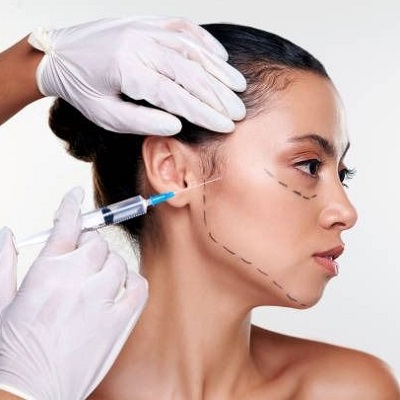
Glutathione injections deliver glutathione into the body through an injection or intravenous infusion, depending on the formulation and administration method. Unlike oral supplements, which pass through the digestive system, injectable products bypass the gastrointestinal tract.
This difference can affect how a substance enters circulation. However, a delivery method that bypasses digestion does not automatically mean that a treatment is more effective, safer, or clinically beneficial.
Glutathione injections are promoted in some wellness and cosmetic settings for antioxidant support, skin brightening, and general rejuvenation. Their use for liver health requires a more careful assessment because the evidence supporting different applications varies considerably.
Potential Benefits and Scientific Limitations
Glutathione has a well-established role in normal antioxidant activity and liver biochemistry. Research has explored how glutathione-related pathways may be involved in conditions associated with oxidative stress and inflammation.
Nevertheless, several distinctions are important:
- Antioxidant activity: Glutathione helps protect cells from oxidative damage, but this biological function does not establish that injections improve health outcomes in otherwise healthy individuals.
- Liver support: Glutathione is involved in normal liver processes, but evidence is insufficient to recommend routine glutathione injections as a general liver-support treatment.
- Skin brightening: Some people seek injections for cosmetic reasons, but evidence regarding long-term effectiveness and safety remains limited.
- Treatment of liver disease: Glutathione injections should not be considered a replacement for established medical treatments for hepatitis, fatty liver disease, cirrhosis, or other liver conditions.
A qualified healthcare professional can help determine whether an injectable product has a medically appropriate role in a particular situation. Treatment decisions should be based on clinical evidence rather than broad claims about detoxification or rejuvenation.
3. Can Glutathione Injections Improve Liver Function?
The relationship between glutathione and liver function is scientifically meaningful, but the effectiveness of glutathione injections for improving liver health remains uncertain.
The liver uses glutathione in several protective and metabolic processes. Research into glutathione depletion and oxidative stress has helped scientists understand mechanisms involved in certain liver injuries. However, evidence about the role of naturally occurring glutathione does not necessarily demonstrate that injecting additional glutathione will reverse liver damage or improve liver test results.
Some research has examined glutathione-related treatments in specific medical settings. However, the available evidence does not support the routine use of glutathione injections to treat common liver conditions in the general population.
What About Fatty Liver Disease and Elevated Liver Enzymes?
Fatty liver disease, including metabolic dysfunction-associated steatotic liver disease (MASLD), is commonly associated with metabolic factors such as excess body weight, insulin resistance, high blood sugar, and abnormal blood lipid levels.
Although oxidative stress may contribute to the development or progression of liver damage, glutathione injections are not an established first-line treatment for MASLD. Management generally focuses on addressing the underlying metabolic factors, improving dietary habits, increasing physical activity, and treating associated medical conditions.
Similarly, elevated liver enzymes can have many causes, including medication effects, viral infections, alcohol-related injury, and metabolic disease. An elevated result requires proper evaluation rather than an assumption that antioxidant injections will resolve the problem.
People experiencing persistent abnormalities in liver tests should receive appropriate medical assessment. Depending on the circumstances, this may involve reviewing medications and supplements, repeating blood tests, checking for infections, or arranging imaging.
The key takeaway is that glutathione plays an important role in liver biology, but glutathione injections have not been proven to improve liver function across a broad range of liver conditions.
4. Glutathione Injections in Muscat: Safety, Suitability, and Medical Considerations
Interest in Glutathione Injections in Muscat may come from people seeking cosmetic treatments or antioxidant support. Before considering an injectable treatment, it is important to understand the product's intended use, evidence base, potential adverse effects, and suitability for individual health needs.
Injectable glutathione should not be treated as a risk-free wellness procedure simply because glutathione occurs naturally in the body. The safety of an injectable formulation also depends on its ingredients, manufacturing quality, sterility, storage, dose, and method of administration.
Possible Side Effects and Risks
Reported or potential concerns associated with injectable glutathione include:
- Injection-site pain, redness, swelling, or irritation.
- Nausea, abdominal discomfort, or other digestive symptoms.
- Allergic reactions, which can occasionally be serious.
- Infection or complications associated with improper injection technique or contaminated products.
- Uncertain long-term effects when injections are used repeatedly for non-established indications.
Intravenous administration introduces additional considerations, including the risks associated with the infusion process and the formulation being administered.
Product quality is especially important. An injectable preparation should come from a reliable, appropriately regulated source and be administered by qualified healthcare personnel in a suitable clinical environment. Products marketed online or through informal channels may not provide adequate assurances of quality or authenticity.
People with existing liver or kidney conditions, a history of serious allergies, pregnancy, breastfeeding, or complex medication regimens should seek individualized medical advice before considering treatment. These circumstances may affect whether an injectable product is appropriate.
A responsible consultation should explain what the treatment is intended to achieve, what the available evidence shows, what alternatives exist, and which risks apply to the individual.
5. Who Should Consider Glutathione Injections, and What Are the Alternatives?
Glutathione injections are not necessary for everyone who wants to maintain healthy liver function. In many cases, the most effective approach is to address established risk factors rather than pursue an injectable antioxidant treatment with uncertain benefits.
People considering Glutathione Injections in Muscat should first clarify their main objective. Someone seeking cosmetic skin brightening has a different set of considerations from someone concerned about elevated liver enzymes or a diagnosed liver condition.
For liver-related concerns, a healthcare professional can review medical history, symptoms, medications, alcohol intake, and relevant laboratory results before recommending an appropriate plan.
Practical Ways to Support Liver Health
Several evidence-based measures can help protect liver health over the long term.
Maintain a balanced diet. A varied diet rich in vegetables, fruit, whole grains, legumes, and appropriate protein sources supports overall metabolic health. Limiting excessive added sugars and highly processed foods may also help reduce metabolic risk.
Stay physically active. Regular physical activity can improve insulin sensitivity and support a healthy body weight. These benefits are particularly relevant for people at risk of fatty liver disease.
Limit or avoid alcohol. Alcohol can contribute to liver injury, and the safest approach depends on a person's health status. People with liver disease should discuss alcohol avoidance with their healthcare professional.
Use medications responsibly. Prescription medicines, over-the-counter products, and herbal supplements can sometimes affect the liver. Medicines should be taken as directed, and potentially harmful combinations should be reviewed with a qualified professional.
Investigate persistent symptoms or abnormal tests. Unexplained fatigue, jaundice, abdominal swelling, or persistently elevated liver enzymes may require medical evaluation. Severe or rapidly developing symptoms need prompt attention.
Avoid unproven detox programs. Cleanses and supplements marketed as liver detoxifiers may have limited evidence and can occasionally cause harm. A healthy liver does not generally require special detoxification injections to perform its normal functions.
These measures do not guarantee that liver disease will be prevented, but they address recognized factors associated with liver health and provide a more established foundation for prevention and management.
6. Making an Informed Decision About Glutathione Injections in Muscat
Anyone exploring glutathione injections should approach the decision with realistic expectations. The fact that glutathione is essential for normal cellular function does not mean that additional injections will produce noticeable benefits or treat an underlying medical condition.
Before proceeding, it is useful to ask several questions:
- What specific health or cosmetic outcome is the treatment intended to achieve?
- Is there reliable clinical evidence supporting that outcome?
- Is the product approved or otherwise appropriately authorized for its intended use in the relevant jurisdiction?
- What are the potential side effects, contraindications, and long-term uncertainties?
- Are there better-studied alternatives?
- What follow-up or monitoring would be appropriate?
These questions are particularly important when an injectable treatment is being promoted for several unrelated benefits at once. Claims that one product can simultaneously detoxify the liver, reverse liver damage, brighten skin, increase energy, and prevent disease should be evaluated cautiously.
People searching for Glutathione Injections in Muscat should prioritize transparent information, appropriate medical supervision, and realistic explanations of the available evidence. A reputable healthcare professional should be willing to discuss uncertainty rather than guarantee results.
Ultimately, the right decision depends on the individual's goals, medical history, and the reason for considering treatment. For someone with a diagnosed liver condition, identifying and managing the underlying cause remains more important than relying on an antioxidant injection alone.
Frequently Asked Questions
1. Are glutathione injections good for liver health?
Glutathione plays an important role in the liver's antioxidant defenses and normal metabolic processes. However, current evidence does not establish glutathione injections as a routine treatment for improving liver health or preventing liver disease. Their appropriateness depends on the specific medical circumstances.
2. Can glutathione injections treat fatty liver disease?
Glutathione injections are not an established first-line treatment for fatty liver disease. Management generally focuses on lifestyle changes, metabolic risk reduction, and treatment of associated conditions. Anyone diagnosed with fatty liver disease should follow an individualized medical plan.
3. Are Glutathione Injections in Muscat safe?
Safety depends on the product's quality, formulation, administration, and the individual's health. Potential risks include injection-site reactions, allergic responses, and complications associated with improper administration. A qualified healthcare professional should assess suitability before treatment.
4. How long does it take to see results from glutathione injections?
There is no universally established timeline for results because the benefits of injections vary by intended use, and many advertised benefits have limited supporting evidence. A guaranteed timeframe should be viewed cautiously, particularly when long-term effectiveness has not been established.
5. Can glutathione injections reverse liver damage?
There is insufficient evidence to conclude that glutathione injections can reverse liver damage generally. Treatment depends on the cause and severity of the injury. Conditions such as viral hepatitis, alcohol-related liver disease, and metabolic liver disease require appropriate diagnosis and evidence-based management.
6. What is the best way to support natural glutathione levels?
The body produces glutathione naturally. Adequate nutrition, sufficient protein intake, regular physical activity, good sleep habits, and avoidance of harmful exposures support overall health. These practices are not a substitute for medical treatment when a deficiency or underlying disease is suspected, but they provide a sensible foundation for general well-being.
Glutathione remains an important part of the body's natural antioxidant system, and its role in liver biology continues to be studied. However, the potential benefits of injectable glutathione should be distinguished from proven medical outcomes. For people considering Glutathione Injections in Muscat, informed decision-making means understanding the evidence, weighing possible risks, and choosing treatments that align with individual health needs.
Read More About Glutathione Injections: https://www.gooalsocial.com/blogs/view/42252

Department of Computer Engineering Laboratories for Technical Skill De...


السِّلْمُ الاجْتِمَاعِيُّ: مَسْؤُولِيَّةٌ تَجْمَعُنَا وَأَمَانٌ يَحْمِ...

Book Affordable Skip Bin Near Adelaide | GoGo Skip Bins
Planning to clean your home this weekend or remove old rubbish from your property? You don...

Traitements pharmaceutiques en ligne : conseils pour une santé mieux a...