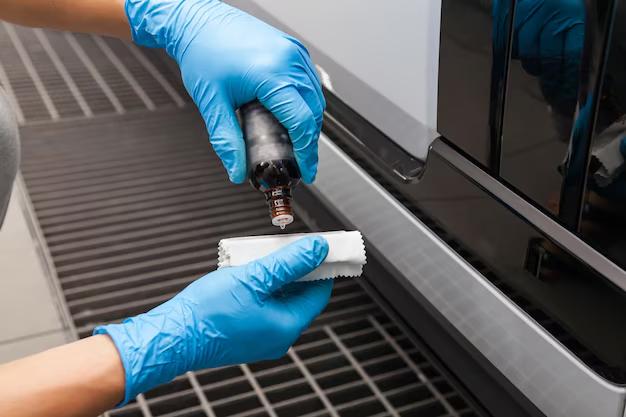

Global HVAC Cleaning Chemicals Gain Importance as Efficient Building Maintenance Expands
The global HVAC cleaning chemicals industry is expanding as preventive maintenance, energy efficiency, and indoor air quality become higher priorities across residential, commercial, and industrial buildings. Valued at USD 2.4 billion in 2025, it is projected to grow from USD 2.54 billion in 2026 to USD 3.56 billion by 2032, registering a CAGR of 5.8%. Growth is driven by increasing HVAC installations, routine equipment maintenance, and demand for specialised cleaning solutions that improve system performance and reliability.
Heating, ventilation, and air-conditioning systems regulate temperature, airflow, humidity, and indoor comfort across residential, commercial, institutional, and manufacturing buildings. Dust, grease, microbial residues, mineral deposits, and other contaminants can accumulate on coils, ducts, drain lines, air handlers, and cooling equipment. HVAC cleaning chemicals are formulated to remove these deposits and support effective maintenance without damaging sensitive system components.
A recent study byMarkNtel Advisors highlights that the global HVAC cleaning chemicals industry was valued at USD 2.4 billion in 2025. It is projected to grow from USD 2.54 billion in 2026 to USD 3.56 billion by 2032, registering a CAGR of 5.8% during 2026–2032. Expansion reflects growing HVAC installations, preventive maintenance, energy-efficiency requirements, commercial construction, and increasing attention to indoor environmental conditions.
Contaminated Coils Reduce System PerformanceEvaporator and condenser coils transfer heat between indoor spaces and the surrounding environment. When dust, grease, pollen, or other material covers their surfaces, heat transfer can become less effective. The HVAC system may then operate for longer periods or consume more electricity to maintain the required temperature.
The US Department of Energy recommends comprehensive air-handler coil maintenance because dirty or fouled coils increase the load placed on chilled-water systems. Its guidance oncooling-tower and coil management also connects increased system load with greater electricity and water consumption.
Cleaning Products Serve Different ComponentsHVAC systems contain several components that may require different cleaning formulations. Coil cleaners remove deposits from evaporator and condenser surfaces, while products designed for drain lines help control sludge and blockages caused by moisture and accumulated debris.
Degreasers may be used on equipment exposed to oils or industrial contaminants. Descaling formulations address mineral deposits within selected water-based components, while disinfecting products may be applied where microbial contamination has been properly identified. Chemical strength, material compatibility, rinsing requirements, and application method must be considered before treatment.
Preventive Maintenance Supports Building OperationsCommercial properties, hospitals, hotels, shopping centres, schools, offices, data centres, and manufacturing facilities depend on HVAC systems for continuous temperature and airflow management. Unexpected equipment failure can disrupt occupants, production activities, stored products, or technology infrastructure.
Preventive maintenance enables facility teams to inspect filters, coils, fans, belts, drains, and electrical components before faults become more serious. Cleaning chemicals support this process by helping technicians remove deposits that cannot be addressed through dry brushing, vacuuming, or simple water cleaning alone.
Indoor Air Quality Requires a Balanced ApproachHVAC maintenance contributes to broader indoor-air management, but chemical cleaning must not be treated as a universal solution for every air-quality concern. The US Environmental Protection Agency identifies source control, improved ventilation, and filtration as three basic strategies forimproving indoor air quality. Cleaning should therefore form part of a wider building-management programme rather than replace ventilation or contaminant control.
The EPA also states that residential air ducts should not be cleaned routinely and should instead be addressed when necessary. Itsair-duct cleaning guidance advises considering professional cleaning in situations such as substantial visible mould growth, pest infestation, or excessive dust and debris.
Product Compatibility Influences Safe CleaningHVAC equipment may contain aluminium, copper, steel, coated metals, plastics, rubber seals, and electronic components. An unsuitable chemical can cause corrosion, discolouration, surface damage, or deterioration of protective coatings.
Technicians must follow manufacturer instructions covering dilution, contact time, ventilation, personal protective equipment, rinsing, and disposal. Some products are designed as self-rinsing coil cleaners, while others require thorough water removal. Selecting the correct formulation helps balance cleaning effectiveness with equipment protection and worker safety.
Sustainability Shapes Formulation DevelopmentCleaning-product development increasingly considers biodegradability, reduced odour, lower toxicity, concentrated packaging, and controlled chemical use. Concentrated products can reduce transportation and packaging requirements, although accurate dilution remains essential.
Automated dosing equipment and maintenance-management software can also improve consistency. Facility teams can record inspections, chemical applications, system pressure, temperature changes, and energy performance, allowing cleaning schedules to reflect actual operating conditions rather than fixed assumptions.
Effective Maintenance Supports Reliable CoolingGlobal HVAC cleaning chemicals are becoming increasingly connected with building efficiency, equipment reliability, and preventive facility management. Their value depends on correct product selection, trained application, appropriate cleaning frequency, and integration with wider HVAC maintenance practices.
As cooling and ventilation systems expand across residential and commercial buildings, specialised cleaning formulations will continue supporting coil performance, drain maintenance, deposit removal, and equipment protection. Responsible use will remain essential for achieving these benefits without unnecessary chemical application.
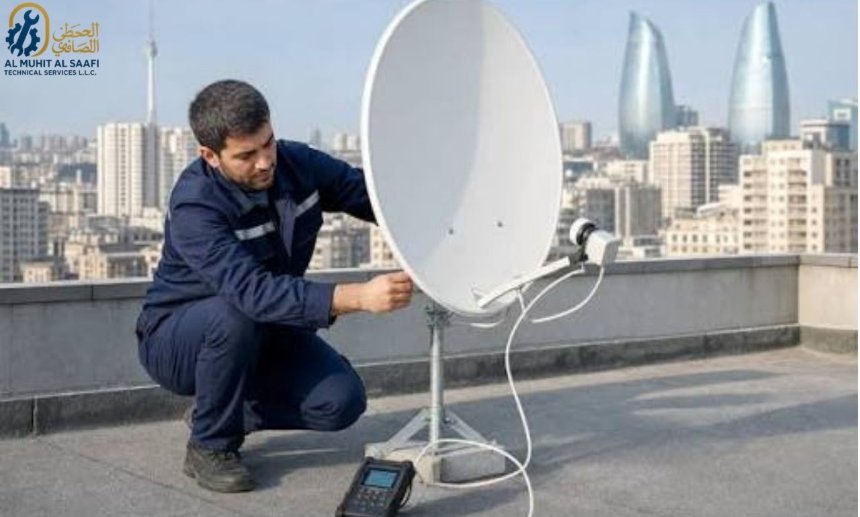

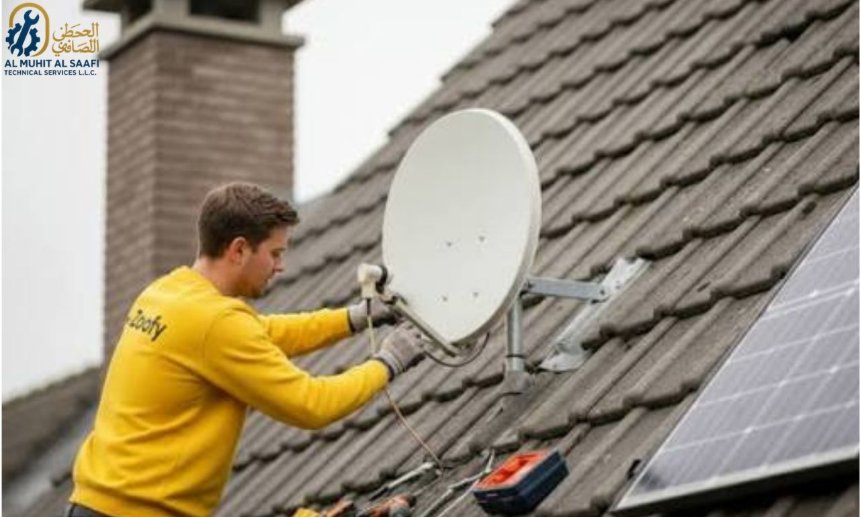
Dish Network Installers Near Me: Expert Satellite Dish Setup in Sharja...