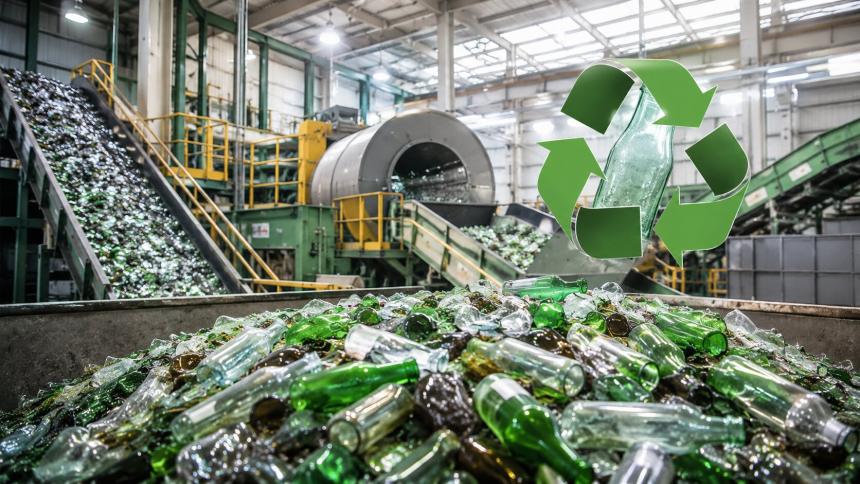

Glass Recycling Plant Project Report 2026: Setup Cost, Process, and Business Plan
Glass recycling plant report featuring process insights, capital investment, operational costs, and revenue projections.
This report serves as a complete guide to setting up a glass recycling plant, covering all essential aspects of the project. It presents in-depth information on recycling methods, input material requirements, energy and utility needs, facility planning, equipment installation, labor requirements, transportation logistics, packaging solutions, and other important operational parameters necessary for developing a productive and cost-effective recycling operation.
In addition to the operational aspects, the report also provides in-depth insights into glass recycling process, project economics, encompassing vital aspects such as capital investments, project funding, operating expenses, income and expenditure projections, fixed and variable costs, direct and indirect expenses, expected ROI, net present value (NPV), profit and loss account, and thorough financial analysis, among other crucial metrics. With this comprehensive roadmap, entrepreneurs and stakeholders can make informed decisions and venture into a successful glass recycling unit.
What are Glass?
Glass is a hard, transparent, and non-crystalline material primarily made by melting silica sand along with soda ash, limestone, and other additives at high temperatures. It is widely used across various industries due to its durability, versatility, and recyclability. Glass is manufactured in different forms, including flat glass, container glass, fiberglass, specialty glass, and optical glass, serving applications in construction, automotive, packaging, electronics, healthcare, and consumer goods. Its ability to be molded into various shapes, combined with properties such as transparency, chemical resistance, and thermal stability, makes it an essential material in modern industrial and commercial applications.
Market Trend and Drivers of Glass:
The global glass industry is witnessing steady growth, driven by rising demand from the construction, automotive, packaging, and renewable energy sectors. Increasing urbanization and infrastructure development projects are boosting the consumption of flat glass for windows, facades, and interior applications. The growing preference for sustainable and recyclable packaging solutions is accelerating demand for glass containers in the food and beverage industry. Technological advancements in smart glass, energy-efficient glazing, and specialty glass products are creating new growth opportunities for manufacturers. Additionally, the expansion of solar energy installations is increasing the use of solar glass in photovoltaic panels. Government regulations promoting sustainable materials, coupled with growing environmental awareness among consumers, are further supporting market expansion. The industry's focus on innovation, energy efficiency, and circular economy practices continues to strengthen its long-term growth prospects.
Request for a Sample Report: https://www.imarcgroup.com/glass-recycling-plant-project-report/requestsample
Key Aspects to Setup a Glass Plant:
- Location to Setup Plant
- Market Research
- Plant Layout
- Construction and Infrastructure
- Equipment/Machinery Procurement
- Documentation and Licenses
- Cost Analysis
Requirements to Setup a Facility:
- Funds
- Machinery
- Lands
Types of Costs to Setup a Factory:
- Land, Location and Site Development Cost
- Plant Layout Cost
- Machinery Requirements and Costs
- Raw Material Requirements and Costs
- Packaging Requirements and Costs
- Transportation Requirements and Costs
- Utility Requirements and Costs
- Human Resource Requirements and Costs
Project Economics:
- Capital Investments
- Operating Costs
- Expenditure Projections
- Revenue Projections
- Taxation and Depreciation
- Profit Projections
- Financial Analysis
Key Questions Answered in the Report:
- How has the glass market performed so far and how will it perform in the coming years?
- What is the market segmentation of the global glass market?
- What is the regional breakup of the global glass market?
- What are the price trends of various feedstocks in the glass industry?
- What is the structure of the glass industry and who are the key players?
- What are the various unit operations involved in a glass recycling plant?
- What is the total size of land required for setting up a glass recycling plant?
- What is the layout of a glass recycling plant?
- What are the machinery requirements for setting up a glass recycling plant?
- What are the raw material requirements for setting up a glass recycling plant?
- And more
Key Features:
- Customization Scope - The report can also be customized based on the requirement of the customer
- Post-Sale Analyst Support - 10-12 Weeks
- Report Delivery Format - PDF and Excel through email (We can also provide the editable version of the report in PPT/Word format on special request)
Ask Analyst for Customized Report: https://www.imarcgroup.com/request?type=report&id=39062&flag=C
How IMARC Can Help?
IMARC Group is a global management consulting firm that helps the world’s most ambitious changemakers to create a lasting impact. The company provide a comprehensive suite of market entry and expansion services. IMARC offerings include thorough market assessment, feasibility studies, company incorporation assistance, factory setup support, regulatory approvals and licensing navigation, branding, marketing and sales strategies, competitive landscape and benchmarking analyses, pricing and cost research, and procurement research.
Services:
- Plant Setup
- Factoring Auditing
- Regulatory Approvals, and Licensing
- Company Incorporation
- Incubation Services
- Recruitment Services
- Marketing and Sales
Contact Us:
IMARC Group
134 N 4th St. Brooklyn, NY 11249, USA
Email: [email protected]
Tel No:(D) +91 120 433 0800
United States: (+1-201971-6302)


Corporate and Personal Portfolios: How to Buy Verified Chime Bank Acco...



Validated Financial Profiles to Buy Genuinely from the Only Reliable A...