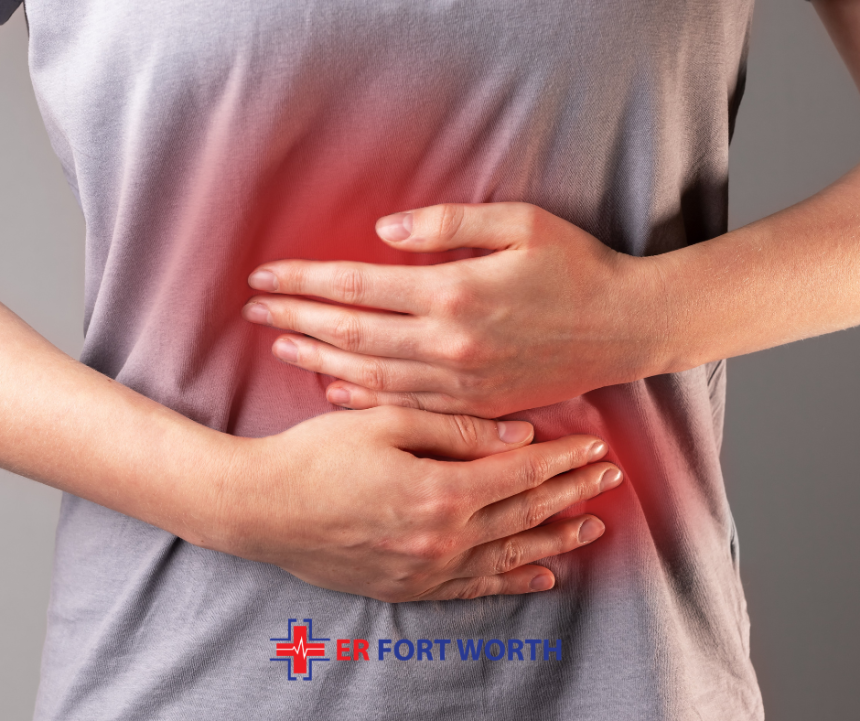

Gastrointestinal Emergencies: When Stomach Pain Needs ER Care
Learn how to recognize serious digestive problems, what warning signs require emergency care, and how ER of Forthworth can help with fast evaluation and treatment.
Introduction
Sudden stomach pain can sometimes be caused by something minor, but severe or unusual symptoms may point to a serious digestive problem. gastrointestinal emergencies can develop quickly and may require immediate medical attention. Knowing the warning signs can help you decide when it is safer to visit an emergency room instead of waiting for symptoms to improve. ER of Forthworth provides emergency evaluation for patients experiencing severe abdominal pain, vomiting, bleeding, dehydration, and other urgent digestive symptoms.
What Makes a Digestive Problem an Emergency?Not every stomachache requires emergency care. However, symptoms become more concerning when they are severe, sudden, persistent, or occur with other warning signs.
An emergency may involve problems affecting the:
- Stomach
- Intestines
- Esophagus
- Gallbladder
- Pancreas
- Liver
- Digestive blood vessels
Some conditions can become worse without quick treatment. A medical team can evaluate your symptoms, perform necessary tests, and determine whether you need immediate treatment or additional care.
1. Severe or Sudden Abdominal PainStrong abdominal pain is one of the most important symptoms to take seriously. Pain that appears suddenly or becomes increasingly severe may indicate a problem that needs urgent evaluation.
Pay attention if the pain:
- Starts suddenly
- Becomes unbearable
- Continues for several hours
- Gets worse when you move
- Occurs with vomiting or fever
- Makes it difficult to stand or walk normally
The location of pain can also provide useful information. Pain in the upper abdomen, lower abdomen, or right or left side may have different causes. Because several organs are located close together, professional evaluation is important when pain is severe or unusual.
2. Repeated Vomiting and Inability to Keep Fluids DownOccasional vomiting can happen with food poisoning, stomach infections, or other temporary illnesses. Repeated vomiting is more concerning, especially when a person cannot keep water or other fluids down.
Persistent vomiting may lead to dehydration. Signs can include:
- Very dry mouth
- Extreme thirst
- Weakness
- Dizziness
- Reduced urination
- Feeling faint
Vomiting may also occur with other serious abdominal conditions. If it continues or is accompanied by intense pain, blood, confusion, or severe weakness, emergency evaluation may be appropriate.
3. Blood in Vomit or StoolBlood anywhere in the digestive system should not be ignored. Vomiting blood can sometimes look bright red or resemble dark coffee grounds. Stool may appear bright red, dark, or unusually black when bleeding is present.
Seek immediate medical attention when bleeding is:
- Heavy or persistent
- Associated with weakness or dizziness
- Accompanied by severe abdominal pain
- Associated with fainting
- Occurring with rapid heartbeat or unusual sweating
Digestive bleeding can sometimes become serious quickly. ER of Forthworth can assess the symptoms and determine the appropriate next step.
4. Severe Abdominal Pain With FeverA fever combined with significant abdominal pain can indicate infection or inflammation. This combination deserves attention, particularly when the pain continues to worsen.
Other symptoms may include:
- Chills
- Nausea
- Vomiting
- Loss of appetite
- Abdominal tenderness
- Weakness
Some abdominal infections require fast medical treatment. Waiting too long can allow certain conditions to become more complicated.
5. Swollen or Hard AbdomenA noticeably swollen, tight, or unusually hard abdomen can be a warning sign, especially when it occurs with pain, vomiting, or difficulty passing stool or gas.
Possible symptoms include:
- Increasing abdominal pressure
- Severe cramping
- Repeated vomiting
- Bloating that does not improve
- Difficulty passing gas
- Changes in bowel movements
These symptoms can sometimes occur with an intestinal blockage or another condition requiring urgent assessment.
6. Yellow Skin or Eyes With Abdominal SymptomsYellowing of the skin or the whites of the eyes is known as jaundice. When it occurs with abdominal pain, vomiting, fever, or other sudden symptoms, medical evaluation may be necessary.
Digestive organs such as the liver and gallbladder can be involved in these symptoms. A healthcare professional may recommend blood tests or imaging to identify the cause.
Do not ignore sudden changes in skin or eye color, particularly when they occur with significant pain or illness.
7. Signs of Serious DehydrationDigestive illnesses can cause dehydration through vomiting, diarrhea, fever, or inability to drink enough fluids.
Severe dehydration may cause:
- Very little urine
- Dark urine
- Severe weakness
- Dizziness
- Confusion
- Fainting
- Rapid heartbeat
Children, older adults, and people with certain health conditions can become dehydrated more quickly. Emergency evaluation can help determine whether fluids or other treatment are needed.
Common Conditions That May Require Emergency EvaluationSeveral digestive conditions can cause symptoms that require urgent assessment. Examples include:
AppendicitisAppendicitis can cause abdominal pain that may become increasingly severe. Some people also experience nausea, vomiting, fever, or loss of appetite.
Gallbladder ProblemsGallstones or gallbladder inflammation may cause strong pain in the upper-right abdomen. Pain may also occur after eating, particularly after a heavy meal.
PancreatitisInflammation of the pancreas can cause severe upper abdominal pain, nausea, and vomiting. The pain may sometimes extend toward the back.
Intestinal ObstructionA blockage in the intestine may cause abdominal swelling, cramping, vomiting, and difficulty passing stool or gas.
Gastrointestinal BleedingBleeding can occur in different parts of the digestive tract. Blood in vomit or stool, weakness, dizziness, or fainting may require immediate care.
Severe GastroenteritisStomach infections can cause vomiting and diarrhea. While many cases improve with home care, severe dehydration, blood in stool, high fever, or intense abdominal pain may require emergency evaluation.
How ER of Forthworth Evaluates Digestive ProblemsWhen you arrive at ER of Forthworth with serious digestive symptoms, the medical team can begin with an assessment of your condition.
Evaluation may include:
- Reviewing your symptoms – Doctors may ask when the pain started, where it is located, and whether it is getting worse.
- Physical examination – The abdomen may be examined for tenderness, swelling, or other concerning signs.
- Laboratory testing – Blood or urine tests may help identify infection, inflammation, bleeding, or other problems.
- Diagnostic imaging – Depending on your symptoms, imaging may help doctors examine organs and identify internal problems.
- Treatment planning – Once the cause is better understood, the medical team can recommend appropriate emergency treatment or further care.
Fast evaluation is especially important when symptoms are severe or changing quickly.
When Should You Go to the ER?Consider emergency care for severe digestive symptoms when you experience:
- Sudden or intense abdominal pain
- Blood in vomit or stool
- Repeated vomiting
- Severe dehydration
- Fainting or confusion
- High fever with abdominal pain
- A swollen or hard abdomen
- Severe weakness
- Yellowing of the skin or eyes with other concerning symptoms
- Symptoms that rapidly become worse
If symptoms feel life-threatening, call emergency services rather than attempting to drive yourself.
What Can You Do While Waiting for Medical Care?If you are experiencing serious symptoms, avoid trying to diagnose the problem yourself. Keep track of when symptoms began and tell the medical team about any medications, recent meals, illnesses, surgeries, or previous digestive problems that may be relevant.
Unless a healthcare professional tells you otherwise, avoid taking large amounts of medication to cover up severe abdominal pain before evaluation. Some symptoms need to be assessed before treatment decisions are made.
Why Choose ER of Forthworth?ER of Forthworth focuses on providing timely emergency evaluation in a comfortable healthcare environment. Digestive symptoms can be difficult to understand because several conditions can produce similar signs.
Prompt assessment can help identify potentially serious problems and guide the next steps.
Patients can benefit from:
- Rapid medical evaluation
- Diagnostic testing when needed
- Imaging services when appropriate
- Treatment for urgent symptoms
- Professional medical monitoring
- Convenient emergency care
The goal is to identify the cause of concerning symptoms and provide appropriate care without unnecessary delays.
Prevention and Healthy Digestive HabitsNot every digestive emergency can be prevented, but healthy habits may support better digestive health.
Consider:
- Drinking enough water throughout the day
- Eating a balanced diet
- Washing hands before meals
- Handling and storing food safely
- Limiting foods that repeatedly trigger digestive discomfort
- Following prescribed medications correctly
- Seeking medical advice for recurring symptoms
Most importantly, do not ignore symptoms simply because they begin as mild discomfort. Changes in severity or new warning signs should be taken seriously.
Frequently Asked QuestionsWhen is stomach pain serious enough for emergency care?Stomach pain deserves emergency evaluation when it is severe, sudden, persistent, or accompanied by vomiting, bleeding, fever, fainting, confusion, or significant weakness.
Is vomiting a reason to go to the ER?Occasional vomiting may not require emergency care. However, repeated vomiting, inability to keep fluids down, blood in vomit, severe pain, or signs of dehydration should be evaluated promptly.
Is blood in stool always an emergency?Blood in stool should be medically evaluated. Heavy bleeding, black or tar-like stool, dizziness, weakness, fainting, or severe abdominal pain requires urgent attention.
Can dehydration become dangerous?Yes. Severe dehydration can affect blood pressure, circulation, kidney function, and overall health. Very little urine, confusion, fainting, severe weakness, or inability to drink fluids are warning signs.
What tests might an ER perform for abdominal pain?Depending on symptoms, doctors may use a physical examination, blood tests, urine tests, and diagnostic imaging. The tests depend on the patient's condition and suspected cause.
Should I wait for severe stomach symptoms to go away?It is not always safe to wait. If symptoms are severe, rapidly worsening, or accompanied by warning signs such as bleeding, fainting, persistent vomiting, or fever, seek emergency medical evaluation.
For more information visit:https://eroffortworthtx.com/services/gastrointestinal-emergenciesPattern Coloring Sheet - Fun and Creative Designs | Rainbow Coloring P...


Toilet Wipes Manufacturing Plant Cost 2026: Investment, Machinery and...

VMware vSphere Licensing Packages | Core Pricing & Support
VMware vSphere is a virtualization platform used by organizations to run and manage virtua...

How Real-Time Call Monitoring Software Improves Contact Center Quality...
Discover how Real-Time Call Monitoring Software enhances contact center quality monitoring...