
Gastric Bypass Surgery in Delhi: Step-by-Step Procedure and Recovery Timeline
Obesity can increase the risk of several chronic health conditions and may affect overall well-being. While lifestyle changes and medical treatment remain the first line of management, some individuals may require surgical intervention for long-term weight loss. Gastric bypass surgery in Delhi is a commonly performed bariatric procedure that supports weight reduction and may help improve obesity-related health conditions. Understanding the procedure and recovery timeline can help patients prepare for treatment and postoperative care.
What Is Gastric Bypass Surgery?
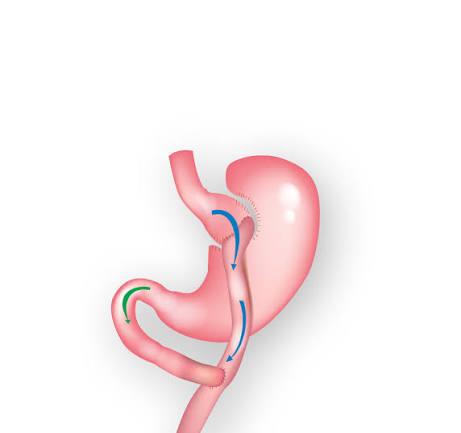
Gastric bypass, commonly known as Roux-en-Y gastric bypass, is a bariatric procedure that alters the digestive pathway. During surgery, a small stomach pouch is created and connected directly to a lower section of the small intestine.
The reduced stomach capacity limits food intake, while the modified digestive route decreases calorie absorption. These changes contribute to weight reduction and may support improvement in conditions such as type 2 diabetes, hypertension, and obstructive sleep apnoea. Bariatric specialists assess each patient carefully before recommending the procedure.
Who May Be Considered for Gastric Bypass Surgery?
A detailed medical assessment considers factors such as BMI, obesity-related health conditions, previous weight-loss attempts, and overall suitability for surgery.
Patients who may be considered include:
- Individuals with a BMI of 40 or above.
- Individuals with a BMI of 35 or above, along with conditions such as type 2 diabetes, hypertension, or obstructive sleep apnoea.
- Patients committed to long-term dietary changes, nutritional monitoring, and regular follow-up care.
The evaluation helps ensure that the procedure is appropriate for the patient's health needs and treatment goals.
Step-by-Step Procedure
Each stage of gastric bypass surgery serves a specific clinical purpose and contributes to patient safety.
1. Comprehensive Preoperative Evaluation
The treatment process begins with consultations involving bariatric surgeons, physicians, dietitians, and anaesthetists. Blood investigations, cardiac assessments, imaging studies, and pulmonary evaluations may be recommended. These assessments help identify conditions that could affect anaesthesia, wound healing, or postoperative recovery.
2. Surgical Planning
Patients receive guidance regarding dietary modifications, medication adjustments, and fasting requirements. Careful preparation reduces avoidable perioperative risks and supports smoother recovery.
3. Administration of General Anaesthesia
The procedure is performed under general anaesthesia. Heart rate, blood pressure, oxygen saturation, and respiratory function are continuously monitored throughout the operation.
4. Creation of the Stomach Pouch
A small pouch is separated from the upper portion of the stomach. This pouch becomes the primary reservoir for food after surgery and significantly limits meal volume.
5. Reconstruction of the Digestive Pathway
The newly created pouch is connected to a lower segment of the small intestine. Food bypasses a portion of the stomach and upper intestine, altering nutrient absorption and supporting weight loss.
6. Postoperative Monitoring
After surgery, patients remain under close observation. Clinical teams monitor hydration, pain control, mobility, and signs of complications such as bleeding, infection, or anastomotic leakage.
Recovery Timeline After Gastric Bypass Surgery
Recovery occurs in phases and requires adherence to medical instructions.
- First Two Days: Patients are typically hospitalised for about two days. Mobility, fluid intake, and overall recovery are closely monitored, with early walking encouraged.
- Day 7 to Day 10: The first follow-up visit usually occurs during this period to assess wound healing and recovery progress.
- First Few Weeks: Patients gradually transition from liquids to soft foods under a dietician's supervision to support healing and nutrition.
- Around One Week: Many individuals can resume routine daily activities after medical clearance, depending on their recovery.
- Five to Seven Weeks: Strenuous activities and heavy lifting are generally avoided while internal healing continues.
- Long-Term Follow-Up: Regular reviews help monitor nutritional status, weight-loss progress, and potential deficiencies, supporting long-term health after surgery.
Why Specialised Bariatric Care Matters
Successful bariatric treatment extends beyond the operating room. A multidisciplinary approach involving surgeons, physicians, dietitians, and rehabilitation specialists supports each phase of care.
At leading hospitals such as BLK Max Super Speciality Hospital, bariatric care focuses on thorough assessment, advanced surgical treatment, and structured follow-up. Regular monitoring of nutritional health, metabolic parameters, and weight-loss progress helps patients achieve sustainable results while maintaining overall well-being and adapting to long-term lifestyle changes.
Conclusion
Gastric bypass surgery requires careful patient selection, specialised surgical expertise, and ongoing medical follow-up. The procedure changes stomach capacity and digestive function, creating conditions that support sustained weight reduction and metabolic improvement. Recovery involves gradual dietary progression, nutritional monitoring, and regular clinical reviews. Individuals considering Gastric bypass surgery in Delhi should seek evaluation from an experienced bariatric team to determine whether the procedure is appropriate for their medical needs and long-term health goals.




Battle.net Account Identity Theft Warning: The Complete Expert Guide
Battle.net Account Identity Theft Warning: The Complete Expert Guide Online gaming has be...