
From Flame to Flavor: How Wood-Fired Cooking Elevates Grilling Techniques
Discover how wood-fired cooking enhances grilling techniques, intensifies flavor, and transforms every dish—from steaks to wood-fired pizza oven creations.
In an age of smart appliances and gas-powered convenience, wood-fired cooking is experiencing a powerful revival. From backyard enthusiasts to Michelin-starred chefs, many are rediscovering the primal allure of cooking with real flame. But wood-fired grilling is more than nostalgia—it is a transformative culinary method that elevates technique, intensifies flavor, and reconnects cooks with the elemental foundations of food.
“From flame to flavor” isn’t just a poetic phrase. It captures a scientific and sensory journey that begins with combustion and ends with complexity on the plate.
The Science Behind the Flame
At its core, wood-fired cooking differs from gas or electric grilling because of how heat is produced and transferred. When hardwood burns, it creates three primary cooking forces: radiant heat, convection heat, and conductive heat.
Radiant heat comes directly from glowing embers, searing proteins, and caramelizing surfaces. Convection heat circulates hot air within the grill or oven chamber, cooking food evenly. Conductive heat occurs when food touches a hot grate or cast-iron surface.
This layered heat environment promotes optimal Maillard reactions—the chemical process responsible for browning and the development of deep, savory flavors. While gas grills can produce high heat, they lack the aromatic compounds released by burning hardwood. Wood smoke contains natural flavor molecules such as syringol and guaiacol, which embed themselves into food, adding depth that cannot be replicated artificially.
The result? Food that tastes rounder, richer, and more nuanced.
Flavor Infusion Through Hardwood Selection
One of the most compelling advantages of wood-fired grilling is the ability to tailor flavor through wood selection. Different hardwoods impart distinctive taste profiles:
- Hickory delivers bold, smoky intensity, ideal for ribs and brisket.
- Oak provides a balanced, medium smoke suitable for steaks and poultry.
- Applewood lends a subtle sweetness, enhancing pork and seafood.
- Mesquite burns hot and fast, offering an earthy, robust character.
By choosing specific woods, grillers essentially season their food through combustion. This transforms grilling from a heat-only process into a flavor-building strategy.
Restaurants like Franklin Barbecue have built global reputations by mastering wood selection and fire control, proving that flame management is as critical as seasoning.
Precision Through Fire Management
Contrary to popular belief, wood-fired cooking is not chaotic—it requires precision and discipline. Skilled grillers learn to build two-zone fires: one area of intense direct heat for searing and another of lower, indirect heat for slow finishing.
Managing airflow through vents regulates oxygen levels, which in turn controls flame intensity and smoke production. Mastery involves understanding when to cook over open flame versus glowing embers, when to close the lid to trap convection heat, and when to add fresh wood for controlled smoke bursts.
This dynamic process sharpens a cook’s intuition. Instead of turning a dial, you read embers, listen to crackling wood, and monitor aroma shifts. It becomes interactive, even meditative.
Enhanced Texture and Searing
Wood-fired grills often reach higher peak temperatures than standard gas grills. Properly structured coal beds can exceed 700°F (370°C), enabling exceptional searing.
High heat promotes rapid crust formation on steaks and chops, sealing in juices while creating a crisp, caramelized exterior. The contrast between charred crust and tender interior defines premium grilling.
Open-fire cooking also introduces “live-fire licking”—brief flame contact that creates micro-blistering on vegetables and proteins. This adds textural intrigue and visual drama.
Restaurants such as Fogo de Chão incorporate wood-fired and open-flame methods to enhance meat texture and impart authentic churrasco character.
Versatility Beyond Meat
While wood-fired cooking is often associated with steaks and barbecue, its applications extend far beyond red meat. Vegetables caramelize beautifully over embers, gaining smoky sweetness. Whole fish roasted on wood planks absorb subtle aroma without overpowering their delicate flesh.
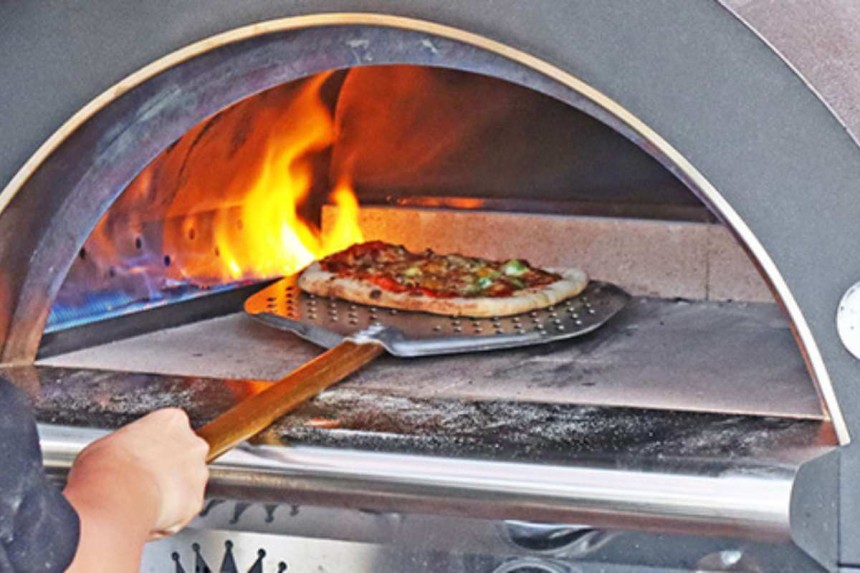
Even pizza transforms in a wood-fired environment. High dome temperatures create airy, blistered crusts in under two minutes—something standard ovens struggle to achieve. Establishments like Pizzeria Bianco demonstrate how wood-fired ovens produce balanced char, tender crumb, and perfectly melted toppings.
Desserts benefit as well. Grilled stone fruits caramelize naturally, and cast-iron skillet cobblers pick up gentle smoke undertones that elevate sweetness.
The Sensory Experience
Wood-fired cooking engages more than taste—it activates sight, smell, sound, and touch. The glow of embers, the scent of hardwood smoke, the sizzle of fat hitting coals—these sensory cues guide timing and technique.
This immersive environment fosters attentiveness. You don’t walk away from a live fire. You stay present, adjusting logs and rotating food. That attentiveness often translates to better results.
There’s also a psychological dimension. Cooking over fire connects us to ancient traditions. For thousands of years, humans gathered around flame for nourishment and community. Recreating that ritual, even in a modern backyard, taps into something deeply rooted.
Sustainability and Ingredient Respect
When responsibly sourced hardwood is used, wood-fired cooking can align with sustainable practices. Many chefs choose local hardwoods and seasonal ingredients, emphasizing regional identity.
The technique itself encourages simplicity. Because wood smoke adds complexity, heavy marinades or artificial flavorings become unnecessary. High-quality ingredients stand on their own, enhanced—not masked—by flame.
This philosophy mirrors broader culinary movements that prioritize authenticity and transparency in sourcing.
Skill Development and Craftsmanship
Perhaps the greatest elevation wood-fired cooking offers is the development of skill. It demands patience, planning, and adaptability. Weather conditions, wood moisture, and airflow all influence results.
Unlike push-button grilling, live-fire cooking teaches cause and effect. Add too much wood, and smoke turns bitter. Spread embers too thin, and the heat drops. Each session becomes a lesson in balance.
Over time, cooks develop an instinctive understanding of heat gradients and timing—skills transferable to every culinary discipline.
From Flame to Flavor
Wood-fired cooking elevates grilling techniques because it transforms heat into a defining ingredient rather than just a cooking source. The flame becomes a partner in the process, layering smoke, char, and aroma into every bite. Through controlled combustion, hardwood selection, and hands-on fire management, cooks create depth and character that modern fuel alternatives rarely replicate.
Whether achieving a perfect steakhouse sear, delicately smoking fresh seafood, or crafting artisan pies in a wood-fired pizza oven, the principle remains the same: real flame produces real flavor. The intense heat and live embers generate textures and taste profiles that feel both refined and primal.
Ultimately, wood-fired grilling is more than a method—it is a craft. It encourages patience, precision, and creativity while reconnecting us to the elemental relationship between fire and food. From flame to flavor, the journey is unmistakable, unforgettable, and deeply rewarding.
The Complete Guide to Search Engine Advertising for Business Growth
The Complete Guide to Search Engine Advertising for Business Growth

Az online kaszinók legújabb bónusz ajánlatai 2026-ban
Az online kaszinók legújabb bónusz ajánlatai 2026-ban



PGDM in Finance Course Guide & Careers | Imperial
Discover everything about PGDM in Finance at Imperial School of Banking and Management Stu...
