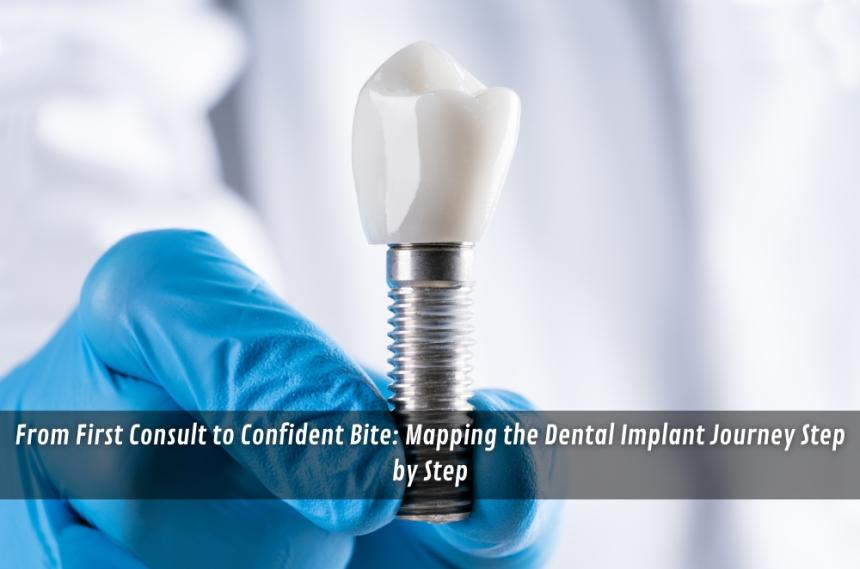

From First Consult to Confident Bite: Mapping the Dental Implant Journey Step by Step
Thinking about dental implants? Walk through every stage – consult, surgery, healing, and long-term care – so you can start your Melbourne implant journey with clarity and confidence.
Dental implants can feel like a big leap. One day you’re booking an assessment; the next you’re picturing yourself crunching into an apple with a brand-new tooth. The reality sits somewhere in between: a series of well-defined stages that replace guesswork with clear milestones. This guide maps each step so Melbourne patients know what to expect, what questions to ask, and how to spot the small wins along the way.
Why Having a Roadmap MattersUncertainty is often more uncomfortable than the procedure itself. Knowing the sequence ahead of time helps you:
- Plan work and family commitments around appointments
- Budget for preparatory work if it’s required
- Understand healing timeframes so you can eat, speak, and smile with confidence
- Recognise normal post-surgery sensations versus warning signs
If you’re still deciding whether implants suit your situation, read this related overview on how to decide if implants are right for you. It breaks down suitability factors and questions to raise in your first appointment.
Step 1: The Initial Assessment and Personalised PlanYour journey starts with a comprehensive consultation. During this visit the dentist or implant clinician will:
- Review medical and dental history
- Examine gum health and remaining teeth
- Arrange 3-D imaging to measure bone volume and nerve location
- Discuss tooth-replacement goals, lifestyle factors, and timing
For patients with complex health considerations or limited bone volume, extra diagnostic tests may be recommended. The Australian Dental Association offers neutral guidance on what dental implants are and who they suit; see the Australian Dental Association information page for an easy explainer.
Common Questions to Ask- How many appointments are involved from consult to final crown?
- Do I need bone grafting or a sinus lift?
- What provisional solutions are available while the implant heals?
- How will smoking or certain medications affect healing?
Not every patient needs extra procedures, but they’re common enough to warrant their own stage in the timeline.
- Bone grafting – Where bone height or width is insufficient for a stable implant.
- Tooth extraction – Occasionally the failing tooth is removed and the implant placed later.
- Gum therapy – Treating periodontal issues before surgery improves long-term outcomes.
Healing after grafting can range from eight weeks for minor grafts to several months for larger volumes. Your clinician will confirm realistic timeframes based on scan results.
What If No Grafting Is Required?If bone quality and quantity look healthy, you may move straight to implant placement. Skipping unnecessary procedures helps shorten the overall journey but should never compromise stability.
Step 3: Implant Placement Day – What to ExpectSurgery is usually performed under local anaesthetic with optional sedation. The procedure generally involves:
- Small gum incision or tissue punch
- Precise drilling to create the osteotomy (implant site)
- Insertion of the titanium or zirconia implant fixture
- Placement of a cover screw or healing abutment
Most patients are surprised by minimal post-operative discomfort, describing it as easier than a difficult extraction. Expect mild swelling or bruising for two to three days and stick to a soft-food diet for roughly a week.
Practical After-Care Tips- Use cold packs intermittently for the first 24 hours
- Rinse gently with salt water; avoid vigorous swishing
- Sleep with an extra pillow to reduce overnight swelling
- Keep any prescribed antibiotics on schedule even if you feel fine
Osseointegration is the biological handshake between bone and implant. During this phase:
- New bone cells grow around microscopic grooves on the implant surface
- Stability increases from mechanical placement to biological locking
- Average healing in a healthy non-smoker is 8–12 weeks for lower jaw, 12–16 weeks for upper jaw due to softer bone density
Rushing this stage risks implant movement and long-term failure. Your clinician may schedule review X-rays to confirm integration before progressing.
Can You Wear a Temporary Tooth?Many clinicians offer a provisional crown or removable partial denture to restore appearance while healing. Be sure any temporary solution avoids pressure on the implant site.
Step 5: Abutment & Crown – Bringing the Tooth to LifeOnce the implant is firmly integrated, a small connector (abutment) is attached, followed by impressions or 3-D scans for the final crown. Material choices include porcelain-fused-to-metal, full ceramic, or zirconia. Discuss shade matching, strength, and wear characteristics so your new tooth blends in naturally.
High Dental Implants Melbourne is known for offering comprehensive dental implant solutions that cover every stage from surgical placement to custom-milled crowns and ongoing maintenance, helping patients streamline their journey under one roof.
Abutment SensationsExpect minor gum tenderness when the abutment is fitted. This typically settles within 48 hours and can be managed with over-the-counter analgesics if required.
Quick Reference Implant TimelineBelow is a broad guide. Individual cases vary, but this table helps visualise key stages:
StageApprox. Timeframe (Indicative)What It May Feel LikePractical FocusInitial consult & scans1–2 visitsCuriosity, questionsInformation gatheringPreparatory treatments (if needed)2–16 weeks healingTenderness during early daysGum health, soft dietImplant placement60–90 min procedureMild swelling 48–72 hrsIce packs, gentle hygieneOsseointegration8–16 weeksMostly normal, occasional awarenessAvoid heavy biting on areaAbutment fitting30 min appointmentSlight gum sorenessShort-term soft foodsFinal crown insertion2 weeks after abutmentFeels “new” for a few daysFine-tune bite, polish care routineRemember, smokers, diabetics, or patients needing large grafts may experience longer healing windows. Always follow personalised instructions.
Step 6: Long-Term Care and Regular Follow-UpA well-made implant is only as good as the care it receives. Adopt these habits for best longevity:
- Brush with a soft-bristled brush twice daily, angling bristles under the crown edge.
- Use implant-safe floss or interdental brushes to disrupt biofilm.
- Book professional cleans every six months, or more often if recommended.
- Wear a night guard if you grind or clench – unchecked bruxism can stress the implant.
- Flag any bleeding, discomfort, or sudden mobility with your dentist immediately.
With healthy gums, good general health, and consistent maintenance, implants can last decades. Crowns may need replacement after 10–15 years due to normal wear, but the underlying fixture often remains sound.
Final ThoughtsBreaking the dental implant process into clear steps turns a daunting project into a manageable plan. By understanding the timeline, preparing for each stage, and partnering with an experienced Melbourne clinician, patients can move from first consult to confident bite with fewer surprises and more peace of mind.
All-Star Week Starts Off Big in MLB The Show 26 With U4GM
MLB The Show 26 has officially kicked off All-Star Week, bringing one of the biggest conte...