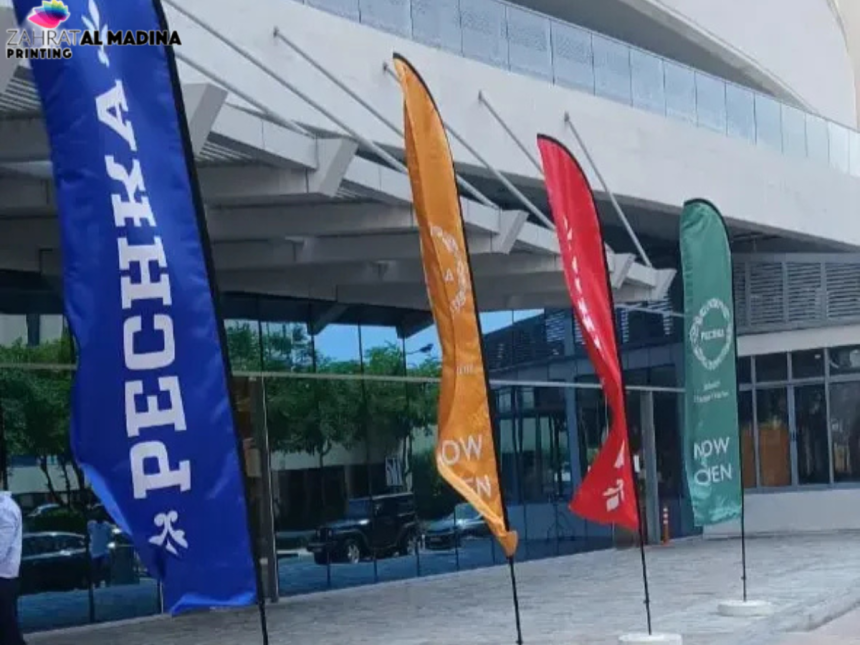

Flags are widely used tools for communication, visibility, and identification. They appear in public spaces, commercial areas, construction sites, events, and institutions across Dubai. While flags may seem simple at first glance, their production involves careful planning, material selection, and printing methods—especially in a city with a demanding climate like Dubai.
Understanding flag printing Dubai is important for anyone seeking clear knowledge about how flags are made, why specific materials are chosen, and how flags are used effectively in real-world environments. Flag printing is a specialized segment of the broader printing Dubai industry and differs significantly from paper-based printing due to environmental exposure and functional requirements.
This article provides a fully informational overview of flag printing in Dubai. It focuses on practical explanations, common uses, benefits, challenges, and industry practices, written in a clear and beginner-friendly manner without promotional language.
What Is Flag Printing?
Flag printing is the process of applying designs, symbols, or colors onto fabric that is intended to move freely in the air and remain visible under varying weather conditions. Unlike banners or posters, flags must perform well while constantly exposed to sunlight, heat, wind, and dust.
In Dubai, flag printing typically considers:
- Strong sunlight and high UV exposure
- High temperatures for most of the year
- Wind in open or elevated areas
- Outdoor dust and sand
These factors influence every stage of flag production, from fabric choice to printing technique and finishing.
Why Flag Printing Is Widely Used in Dubai
Dubai’s infrastructure and lifestyle create continuous demand for flags across many sectors. Flags are chosen because they are flexible, visible from a distance, and suitable for both short-term and long-term use.
Common reasons for using flags include:
- Displaying national or institutional identity
- Providing directional guidance
- Marking locations or entrances
- Supporting events and public gatherings
- Indicating safety or restricted areas
Because flags can be installed quickly and removed easily, they are often preferred over permanent signage.
Types of Flags Commonly Used
Different environments require different flag styles. Below are the most common types seen across Dubai.
National and Government Flags
These flags are used at:
- Government buildings
- Embassies
- Schools and public institutions
They require accurate colors, correct proportions, and durable materials to meet official standards.
Corporate and Business Flags
Businesses use flags to:
- Display logos
- Identify premises
- Increase visibility during events
Corporate flags often feature customized designs and brand-specific colors.
Event and Temporary Flags
Event flags are commonly used at:
- Trade shows
- Sports events
- Cultural festivals
They are usually designed for limited-duration use but still require clear printing and stable finishing.
Construction and Safety Flags
In industrial settings, flags help:
- Identify hazardous zones
- Mark pathways
- Communicate warnings
Durability and visibility are the most important features in this category.
Materials Used in Flag Printing
Material selection plays a key role in how a flag performs, especially in outdoor conditions.
Polyester Fabric
Polyester is the most widely used fabric for flag printing Dubai. It is preferred because it:
- Is lightweight and flexible
- Dries quickly
- Resists UV damage better than many alternatives
It allows smooth movement in wind while holding printed colors effectively.
Knitted vs Woven Polyester
- Knitted polyester is softer and flows easily, making it ideal for decorative flags.
- Woven polyester is stronger and more structured, suitable for windy or high-traffic areas.
Mesh Fabric
Mesh fabric includes small perforations that allow air to pass through. This reduces strain on the flag and pole, making mesh flags suitable for open spaces and high-rise installations.
Indoor Decorative Fabrics
Satin and similar materials are used for indoor flags. These fabrics provide a smooth finish and vibrant appearance but are not designed for outdoor exposure.
Printing Techniques Used for Flags
Flag printing uses specific methods that allow ink to bond effectively with fabric.
Dye Sublimation Printing
Dye sublimation is the most common technique used in flag printing. It works by converting ink into gas, which then bonds with the fabric fibers.
Advantages include:
- Long-lasting, fade-resistant colors
- No surface cracking or peeling
- Lightweight feel with no added coating
This method is particularly suitable for outdoor use in Dubai’s climate.
Digital Fabric Printing
Digital printing is used when:
- Small quantities are required
- Designs include fine details
- Turnaround time needs to be short
It offers flexibility and consistency, making it popular for customized projects.
Screen Printing
Screen printing may still be used for large volumes of simple designs. However, it involves more setup and offers less flexibility compared to digital methods.
Design Considerations for Flag Printing
Designing for fabric requires different thinking than designing for paper or screens.
Visibility and Contrast
Flags are constantly moving, so designs must:
- Use strong contrast
- Avoid small text or thin lines
- Remain readable from a distance
Design adjustments are often made specifically for fabric printing.
Single-Sided and Double-Sided Flags
Most flags are single-sided, with the design visible in reverse on the back. Double-sided flags use two layers of fabric and are heavier. They are typically used indoors or in low-wind environments.
Finishing Methods and Installation
Finishing determines how the flag is attached and how long it lasts.
Common Finishing Options
- Reinforced stitching along edges
- Strengthened corners
- Metal eyelets or grommets
- Sleeves for pole insertion
Each finishing type supports different mounting methods.
Flagpoles and Mounting Systems
Flagpoles used in Dubai are designed to handle:
- Wind pressure
- Heat expansion
- Long-term outdoor exposure
Materials such as aluminum and stainless steel are commonly used for durability.
Environmental Challenges in Dubai
Dubai’s environment presents specific challenges for flag performance.
Sun and Heat Exposure
Continuous sunlight can cause colors to fade. UV-resistant inks and proper fabric treatment help slow this process.
Wind Stress
Frequent movement places stress on seams and edges. Reinforced stitching and proper fabric weight help reduce damage.
Dust and Sand
Airborne sand particles can wear down fabric over time. Choosing durable materials and proper finishing helps maintain appearance.
Uses Across Different Industries
Flag printing supports many sectors across Dubai.
Hospitality and Tourism
Hotels and resorts use flags to:
- Display national identities
- Enhance entrances
- Guide visitors
Retail and Commercial Areas
Retail spaces use flags to:
- Attract attention
- Identify store locations
- Support seasonal promotions
Government and Public Spaces
Flags are essential during:
- National holidays
- Official ceremonies
- Public awareness campaigns
Education and Sports
Schools and sports venues use flags for:
- Team representation
- Ceremonial events
- Navigation and organization
Quality Practices in the Printing Industry
The printing Dubai industry generally follows certain quality practices to ensure consistent output:
- Accurate color matching
- Strong stitching and hemming
- Proper sizing and finishing
Some service providers, such as Zahrat Al Madina Printing Services, are often referenced in industry discussions as examples of companies operating within these common standards. This mention is informational and helps explain how the local printing ecosystem functions.
Common Challenges and Misunderstandings
Assuming All Flags Are the Same
Different materials and printing methods perform differently under heat and wind.
Using Indoor Flags Outdoors
Indoor fabrics are not designed to withstand sunlight and wind.
Overlooking Finishing Quality
Poor finishing can lead to early wear, even if the print quality is good.
Future Developments in Flag Printing
Flag printing continues to evolve alongside technology and environmental awareness.
Sustainable Materials
There is increasing interest in recycled polyester and environmentally conscious production methods.
Improved Printing Technology
Modern equipment allows:
- Better color penetration
- Faster production
- Reduced material waste
Custom and Short-Term Printing
Digital workflows make it easier to produce flags for limited events or specific applications.
Conclusion
Flag printing is a specialized and important part of Dubai’s visual environment. Understanding flag printing Dubai involves learning about materials, printing techniques, environmental challenges, and practical applications. Flags are functional products designed to perform under demanding conditions, not just decorative items.
By viewing flag printing within the wider printing Dubai industry, readers gain a clearer picture of the technical and practical considerations involved. This article aimed to provide clear, structured, and educational information without promotion, leaving readers with a strong and practical understanding of modern flag printing in Dubai.