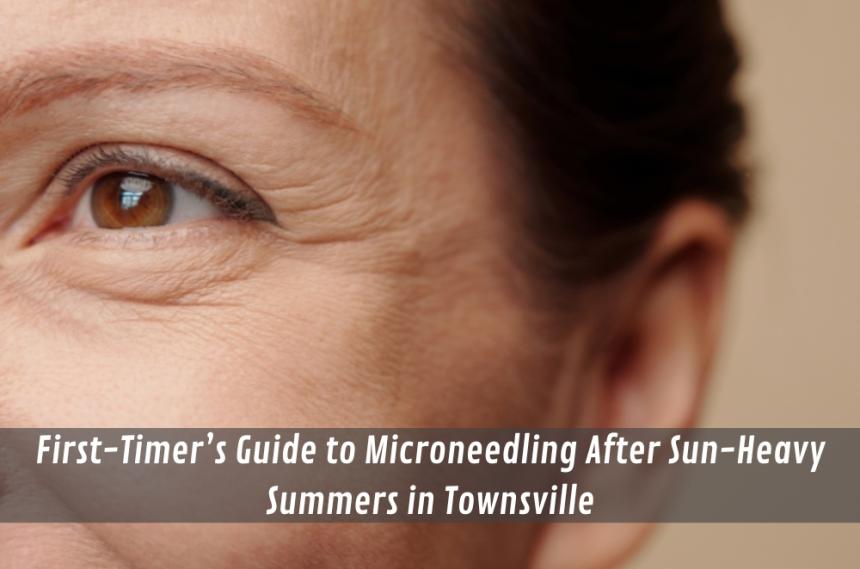

First-Timer’s Guide to Microneedling After Sun-Heavy Summers in Townsville
Spent summer in the North Queensland sun? Discover when and how first-timers can safely use microneedling to repair UV-stressed skin, what to expect, and why professional planning beats DIY.
Few regions in Australia rival Townsville for endless blue skies and beach-day temptation. The downside? By the time autumn rolls around, skin can feel rough, patchy, or prematurely lined. If you have heard friends rave about microneedling as a “post-summer reset” but you are not sure what that really involves, this guide will walk you through the essentials in plain language.
Why North Queensland Summers Leave a Mark on SkinThe UV index realityTownsville regularly records “Very High” to “Extreme” UV ratings. Even diligent sunscreen users accumulate some degree of photo-damage over the hotter months: tiny lines, textural roughness, enlarged pores or uneven pigmentation.
For anyone who underestimated the midday rays and ended up red-raw, the problem goes deeper. Sunburn triggers an inflammatory cascade that can weaken the skin barrier for weeks. According to the Cancer Council guidance on sunburn and skin recovery, peeling and tenderness can linger well beyond the visible redness.
Common post-summer concerns• Persistent flakiness or dehydration
• Fine lines that suddenly seem more obvious
• A dull, lack-lustre surface despite moisturising
• Pigmentation patches that developed after beach days
How Microneedling Supports Post-Summer Skin RecoveryMicroneedling—also called collagen induction therapy—uses fine, sterile needles to create controlled micro-channels in the epidermis. Your body treats these as tiny “wake-up calls”, kicking off a repair cycle that stimulates new collagen and elastin.
Collagen stimulation basics- Micro-injury
- Platelet-rich blood flow
- Fresh fibroblast activity
- Gradual remodelling of texture and tone
Unlike resurfacing lasers, the epidermis remains largely intact, so the treatment suits many skin tones.
Typical treatment timeline• Day 1–3 Mild redness, sunburn-like warmth
• Day 4–7 Subtle flaking, tighter feeling
• Week 2–4 Plumper, smoother surface begins to show
• Month 2–6 Collagen remodelling continues beneath
Interested readers can find a broader introduction in the earlier article on microneedling without the hype.
When Should You Book? Timing Matters More Than You ThinkWaiting after sunburn or peelingIf you experienced notable sunburn during the holidays, clinics generally recommend waiting until:
• all visible peeling has resolved,
• tenderness has disappeared, and
• you can press lightly on the area without discomfort.
That period varies, but two to four weeks post-burn is a conservative window. Rushing in earlier risks excessive inflammation or pigment changes.
Seasonal humidity & healingTownsville’s late-summer humidity can be brutal. High moisture in the air is not a problem by itself, but sweat, outdoor work or sporting activities add bacteria and friction to freshly needled skin. Booking once the weather cools slightly—often late March to May—reduces the risk of congestion or prolonged erythema (redness).
DIY Dermaroller vs Professional Planning: Key DifferencesScrolling social media, you may have seen budget dermarollers marketed for “at-home collagen boosts”. Before you add one to your cart, consider the real-world contrasts.
FactorDIY RollerProfessional MicroneedlingNeedle DepthUsually 0.2–0.3 mm; inconsistent penetrationControlled 0.5–2.5 mm, adjusted for each areaSterilityHousehold cleaning; risk of microbes or rustSingle-use, medical-grade cartridgesTechniqueOne-size-fits-all rolling patternPattern adjusted for scars, thin skin, delicate zonesSafety OversightNoneClinician screening, consent, aftercareResultsMinor temporary plumpnessMeasurable collagen remodelling over monthsPut simply, professional sessions deliver depth, precision and infection control you cannot replicate in a bathroom mirror. That is why experienced clinics develop typical pricing for microneedling treatments that map needle depth, session spacing and aftercare to your specific post-summer goals.
Aftercare Tips for a Tropical ClimateCooling, hydrating, sun avoidance• Use a gentle, fragrance-free cleanser for the first 48 hours.
• Employ a thermal water spray or cool compress if warmth persists.
• Swap heavy creams for a lightweight, ceramide-rich moisturiser.
• Re-apply a high-protection mineral sunscreen once re-epithelialisation (surface healing) completes—usually day 3 onward.
What to do if you sweat a lot outdoors• Choose breathable, wide-brim hats rather than caps that trap heat.
• Bring facial blotting cloths to dab (not wipe) away perspiration.
• If you work in mining, construction or landscaping, aim to schedule sessions before rostered days off, giving skin a buffer.
Quick Checklist Before You CommitBelow is a snapshot of common post-summer concerns and whether microneedling is suitable right now, or if a delay is wise.
Post-Summer ConcernCan Microneedling Help?Should You Wait?Suggested Next StepMild textural roughness, no active burnYes, usually safeNoBook an initial consultationRecent sunburn (within 2 weeks)Not yetYesAllow full recovery; re-assess in 2-4 weeksActive acne breakoutsSometimesPossiblyTreat inflammation firstHyper-pigmentation with stable toneYes, with pigment-safe protocolNoDiscuss serum pairing & SPF habitsOngoing oral isotretinoin useNoYesWait at least 6 months post-medicationFinal ThoughtsMicroneedling can act like a strategic reboot for skin that has weathered a long, sun-drenched Townsville summer—provided it is timed and planned properly. Give recent sunburn the respect it deserves, weigh professional depth and sterility against DIY shortcuts, and prepare an aftercare routine that suits North Queensland’s humidity. If in doubt, a consultation with a qualified clinician will clarify whether now is the right moment or if your skin would benefit from a little extra recovery first. Informed timing today can mean smoother, stronger, more resilient skin throughout the seasons ahead.