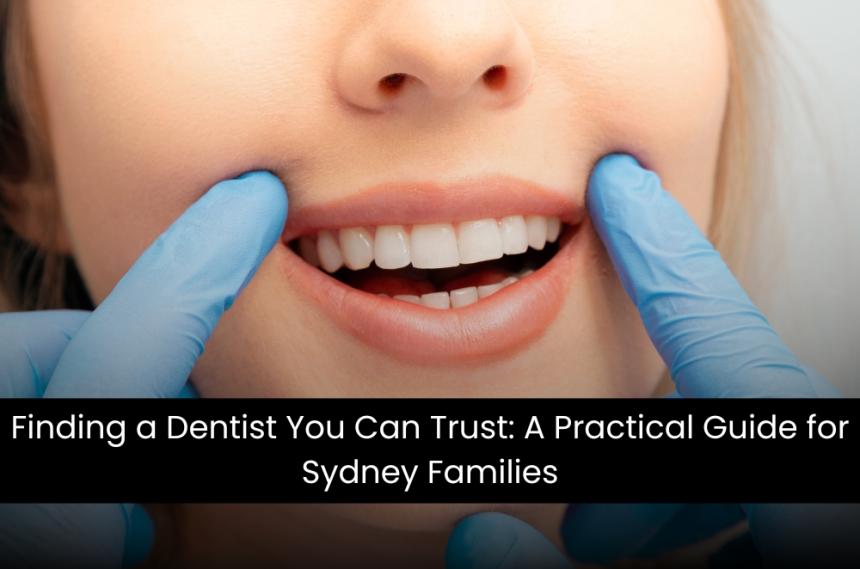

Finding a Dentist You Can Trust: A Practical Guide for Sydney Families
Regular check-ups, kid-friendly care and a trusted local Sydney dental clinic all play a part in long-term oral health. Discover practical tips for selecting the right dentist and looking after your teeth between visits.
Most of us know we should visit the dentist twice a year, yet many Sydneysiders still delay appointments until discomfort strikes. Whether it’s a busy schedule, nerves in the chair, or uncertainty about which practice to choose, skipping routine care often leads to bigger—and costlier—problems down the track.
This guide unpacks why preventive dentistry matters, how to overcome common barriers, what to look for in a family-friendly practice, and small daily habits that protect your smile between visits.
Why Regular Dental Check-Ups Are Worth the Effort- Early detection saves money and pain
- Cavities, gum disease and even oral cancer can progress quietly. A six-monthly exam allows your dentist to catch issues before they escalate, limiting treatment to small fillings or simple hygiene sessions rather than root canals or extractions.
- Professional cleaning reaches where brushing can’t
- Even diligent brushers miss plaque in hard-to-reach areas. Professional scaling removes tartar (calculus) that ordinary toothbrushes cannot shift, reducing the risk of gum disease and bad breath.
- Personalised advice for every life stage
- Children need fissure sealants and orthodontic assessments; adults may worry about grinding, whitening or implants. Routine visits let your practitioner tailor care plans to changing needs.
- Systemic health links
- Research increasingly links poor oral health with diabetes, heart disease and adverse pregnancy outcomes. Regular dental reviews form part of overall preventive healthcare. For credible guidance, see the Australian Dental Association’s advice on routine visits (https://www.ada.org.au/).
Sydney’s dental landscape is diverse—ranging from boutique cosmetic studios to multi-chair family practices. When selecting a provider, consider:
• Range of services
Preventive, restorative and cosmetic options in one place save you time. If a practice also offers emergency appointments, even better.
• Qualifications and approach
Look for dentists registered with AHPRA who are willing to explain procedures in plain language and prioritise patient comfort.
• Child-friendly environment
A waiting room with books or a TV, clinicians trained in paediatric care, and a gentle introduction program help kids build positive associations.
• Location and accessibility
Close-to-home clinics with parking or public-transport options make keeping appointments easier for the whole family.
• Transparent pricing and payment plans
Honest cost estimates and flexibility around private health cover or payment options reduce financial stress.
You’ll find many practices that tick these boxes, such as a local Sydney dental clinic that offers comprehensive services for children and adults alike. Including a nearby provider on your shortlist makes routine visits far more convenient.
Common Barriers to Seeing the Dentist—And How to Beat Them- Dental anxiety
- • Solution: Ask if the practice offers nitrous oxide (happy gas), calming techniques or even mild sedation. Booking morning appointments can reduce anticipatory stress.
- Cost concerns
- • Solution: Compare item-number quotes across practices, use private health rebates before they reset each calendar year, and enquire about payment plans for major work.
- Time pressure
- • Solution: Pick a practice with evening or Saturday hours and use online booking to lock in appointments quickly.
- “Nothing hurts, so I’m fine”
- • Solution: Remember that early decay and gum inflammation are often painless. Skipping check-ups can mean bigger interventions later.
• Brush twice daily with a soft-bristled toothbrush and fluoride toothpaste.
• Floss or use interdental brushes every evening—plaque between teeth causes most decay.
• Drink tap water; Sydney’s supply is fluoridated and supports enamel.
• Limit sugary snacks to mealtimes, giving saliva a chance to neutralise acids.
• Wear a custom night guard if you grind your teeth—ask your dentist for a fitting.
• Replace your toothbrush every three months or sooner if bristles fray.
Small behavioural tweaks compound over time, making your dentist’s job easier and your wallet happier.
When It’s Time to Seek Professional HelpSee a dentist promptly if you notice:
• Persistent toothache or sensitivity
• Swollen, bleeding or receding gums
• Chips, cracks or lost fillings
• Mouth ulcers that haven’t healed after two weeks
• Jaw pain or clicking when chewing
• Sudden changes in tooth colour or alignment
Ignoring these signs can allow minor problems to advance rapidly. A timely appointment with a qualified professional prevents emergencies and may even save a tooth.
Final Thoughts
Oral health is a lifelong investment. By attending regular check-ups, choosing a trustworthy local practice, and sticking to simple home-care routines, Sydney families can keep their smiles bright well into the future. The right dentist becomes a partner in that journey—offering knowledge, early intervention and reassurance every step of the way.
FAQs
How often should I see the dentist if I have healthy teeth?Most people benefit from a check-up and professional clean every six months, but your dentist may suggest shorter or longer intervals based on your individual risk factors.
At what age should children first visit the dentist?The Australian Dental Association recommends a child’s first visit when their first tooth appears or by their first birthday, whichever comes first. Early visits familiarise kids with the dental environment.
Are electric toothbrushes better than manual ones?Both can be effective if used correctly for two minutes, twice a day. Electric brushes may assist people with limited dexterity or those who struggle with technique.
Gerador Online: Como Funciona, Principais Tipos e Como Escolher a Melh...
Gerador Online: Como Funciona, Principais Tipos e Como Escolher a Melhor Ferramenta



Ποια Είναι τα Πιθανά Οφέλη του Γυναικείου Viagra;
Η ιστοσελίδα genericeupills μπορεί να αποτελέσει αφετηρία για την αναζήτηση γενικών πληροφ...