
Fatty Liver Disease: Causes, Stages, and Warning Signs
Feeling unusually tired, experiencing persistent discomfort in the upper abdomen, or noticing unexplained changes in your overall health can be easy to overlook. You may attribute these symptoms to a busy lifestyle, stress, or temporary digestive issues. However, in some cases, these concerns may be linked to changes in liver health that develop gradually and often go unnoticed.
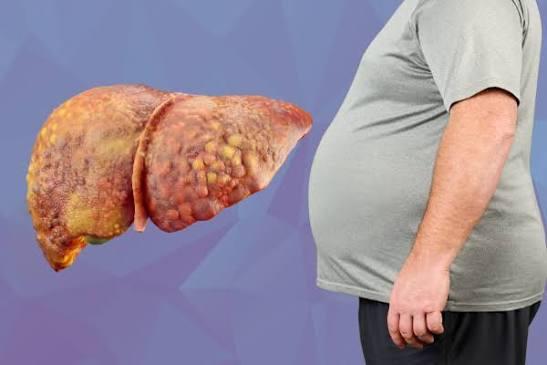
One reason fatty liver disease is frequently overlooked is that fatty liver symptoms are often mild or absent in the early stages. The condition occurs when excess fat accumulates in the liver and may be associated with lifestyle and metabolic factors. Understanding its causes, stages, and warning signs can help you recognise potential concerns early and seek appropriate medical advice when needed.
What Causes Fatty Liver Disease?
Several factors can contribute to the development of fatty liver disease. The most common causes include:
- Obesity: Excess body weight can increase fat accumulation within the liver.
- Type 2 Diabetes: Insulin resistance can affect the body's ability to process and store fats properly.
- High Cholesterol and Triglycerides: Elevated levels of fats in the blood may contribute to fat deposits in the liver.
- Excessive Alcohol Consumption: Long-term heavy alcohol intake can affect liver cells and lead to fat build-up.
- Metabolic Syndrome: A combination of conditions such as high blood pressure, increased waist circumference, and abnormal blood sugar levels can increase risk.
- Sedentary Lifestyle: Limited physical activity may affect metabolism and contribute to liver fat accumulation.
These factors do not always act alone. In many cases, a combination of health and lifestyle factors contributes to the development of the condition.
Understanding the Stages of Fatty Liver Disease
Fatty liver disease does not usually develop all at once. It often progresses through different stages, each reflecting changes in liver health and function. These stages are:
Stage 1: Simple Fatty Liver
The earliest stage involves the accumulation of fat in liver cells. At this point, significant inflammation or scarring is usually absent. Many individuals experience no noticeable symptoms, and the condition is often discovered during routine health assessments.
Stage 2: Steatohepatitis
In this stage, fat accumulation is accompanied by inflammation. In non-alcohol-related cases, this condition is often referred to as non-alcoholic steatohepatitis. Persistent inflammation may gradually affect healthy liver tissue and increase the risk of further progression.
Stage 3: Fibrosis
Fibrosis develops when repeated inflammation causes scar tissue to form around the liver. Although the liver can still perform many of its functions during this stage, ongoing scarring may affect its efficiency over time.
Stage 4: Cirrhosis
Cirrhosis represents advanced liver scarring. Healthy liver tissue is replaced by extensive scar tissue, which can significantly affect liver function. Medical assessment and ongoing monitoring become particularly important at this stage.
Understanding how fatty liver disease progresses can help individuals recognise the importance of timely medical evaluation and ongoing monitoring when risk factors or symptoms are present.
Warning Signs of Fatty Liver Disease
Fatty liver disease may not always produce obvious symptoms in its early stages. However, some warning signs can appear, such as:
- Fatigue: Persistent tiredness that does not improve with adequate rest.
- Weakness: Reduced energy levels during routine activities.
- Upper Abdominal Discomfort: Mild discomfort or a feeling of fullness on the right side of the abdomen.
These symptoms can be subtle and are sometimes attributed to other health concerns, which may delay recognition of the condition.
Signs That May Indicate Progression
As liver damage progresses, additional symptoms may develop. They are:
- Loss of Appetite: Reduced interest in food over a prolonged period.
- Unexplained Weight Loss: Weight reduction without intentional dietary or lifestyle changes.
- Abdominal Swelling: Enlargement of the abdomen due to fluid accumulation.
- Leg Swelling: Swelling in the lower limbs that may occur as liver function becomes affected.
- Yellowing of the Skin or Eyes: A visible sign that requires prompt medical attention.
The appearance of these fatty liver symptoms may indicate that the condition has progressed and should be evaluated by a healthcare professional.
Conclusion
Fatty liver disease is a common liver condition that can develop silently over time. Factors such as obesity, diabetes, high cholesterol, excessive alcohol consumption, and metabolic syndrome can increase the likelihood of fat accumulation in the liver. Understanding the different stages of the disease and recognising warning signs can help individuals seek medical advice at an appropriate time. Greater awareness of symptoms and risk factors plays an important role in supporting long-term liver health and overall well-being.


The Modular Business: Building a Company by Combining Virtual Offices,...