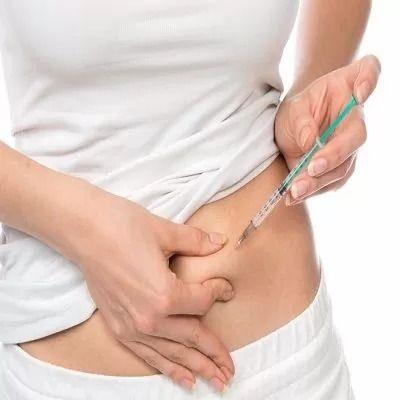

Fat Melting Injections and Aesthetic Goals: Where Do You Begin?
Discover how fat melting injections work, their potential benefits, treatment considerations, and what to know before choosing this body contouring option.
For many people, achieving a more defined body shape is not necessarily about losing a significant amount of weight. Sometimes, the concern is limited to small, stubborn pockets of fat that remain despite regular exercise and a balanced diet. This is where aesthetic treatments such as fat melting injections may attract attention.
People considering Fat Melting Injections in Oman often have questions about how the treatment works, which areas can be treated, what results may look like, and whether the procedure is appropriate for their individual goals. Understanding these factors before making a decision can help set realistic expectations and encourage a more informed approach to aesthetic care.
Fat melting injections are generally designed for localized fat reduction rather than overall weight loss. Depending on the formulation used, these injections may help break down fat cells in selected areas, allowing the body to process and gradually eliminate the treated fat. However, treatment suitability varies from person to person, so professional assessment remains an important starting point.
Fat melting injections are minimally invasive aesthetic treatments intended to reduce small areas of unwanted or localized fat. They are sometimes referred to as injectable fat-reduction treatments or injection lipolysis.
Certain injectable formulations work by disrupting the membranes of fat cells in the targeted area. Once these cells are damaged or destroyed, the body's natural processes gradually clear away the cellular material. The result is intended to be a reduction in the appearance of localized fat.
These injections are different from traditional weight-loss treatments. They are not designed to replace healthy eating, physical activity, or medically supervised weight-management programs. Instead, they are generally considered contouring treatments for specific areas where fat may be resistant to lifestyle changes.
The exact ingredients, mechanism, number of sessions, and expected results can vary depending on the treatment being offered. For that reason, anyone considering this option should first determine which injectable product is being used and whether it is medically appropriate for the intended treatment area.
Aesthetic preferences can vary considerably, but localized fat is a common concern among adults. Areas such as the chin, abdomen, flanks, thighs, upper arms, and other small body regions may sometimes retain pockets of fat even when a person maintains a relatively healthy lifestyle.
For individuals researching Fat Melting Injections in Oman, the appeal often comes from the minimally invasive nature of injectable treatments. Unlike surgical fat-removal procedures, injections typically involve no large incisions and may involve less disruption to daily routines.
Another reason people explore these treatments is the desire for gradual and subtle changes. Some individuals may prefer an approach that aims to improve the contour of a specific area rather than dramatically alter their overall appearance.
However, minimally invasive does not mean risk-free. Injectable aesthetic treatments can cause temporary swelling, redness, tenderness, bruising, or discomfort. More serious complications can occur if the wrong product is used, if an unsuitable area is treated, or if the injection is not administered correctly.
This is why choosing treatment based on safety, suitability, and professional evaluation is more important than simply looking for the fastest visible result.
The appropriate treatment area depends heavily on the specific injectable formulation and its approved or established use. Some injectable fat-reduction treatments are commonly associated with small, localized areas, while others may be used in different body regions under appropriate medical guidance.
The area beneath the chin is one of the best-known locations associated with certain fat-dissolving injections. This can be particularly relevant for people who have a small amount of fullness beneath the jawline and want a more defined facial profile.
Other body areas may sometimes be considered, but suitability depends on factors such as the amount and location of fat, skin quality, anatomy, medical history, and the particular injectable being used.
A consultation should therefore focus on the individual's anatomy rather than assuming that every area containing fat can safely receive injections. A qualified healthcare professional can assess whether injectable treatment is appropriate or whether another approach would produce a safer or more predictable outcome.
The process generally begins with a consultation and assessment. During this stage, the treatment area can be examined, aesthetic concerns can be discussed, and realistic expectations can be established.
The healthcare professional may ask about medical history, medications, allergies, previous cosmetic treatments, and any relevant health conditions. This information can help determine whether the treatment is suitable.
If treatment proceeds, the area may be cleansed and marked to identify appropriate injection points. Depending on the product and treatment location, a topical or local anesthetic approach may be considered to improve comfort.
The injections are then administered into the targeted fatty tissue according to the treatment plan. The duration can vary depending on the size and number of areas being addressed.
After treatment, some degree of swelling, tenderness, redness, bruising, or sensitivity may occur. These effects can be temporary, but the recovery experience differs between individuals.
Results are usually not expected immediately. Because the body needs time to process the affected fat cells, changes may become noticeable gradually over the following weeks. Multiple sessions may sometimes be recommended when additional fat reduction is desired.
One of the most important parts of considering Fat Melting Injections in Oman is understanding what the treatment can and cannot accomplish.
Fat melting injections are generally intended for localized contouring rather than major weight reduction. A person who wants to lose substantial body weight may need a completely different approach involving nutrition, exercise, behavioral strategies, or medical weight-management support.
For an appropriate candidate, the goal may be a modest improvement in the treated area's contour. The extent of change depends on the amount of fat present, the treatment product, the number of sessions, individual metabolism, skin elasticity, and other biological factors.
Results can also vary between different body areas. Someone with a small, well-defined pocket of fat may experience a more noticeable contour improvement than someone with a larger amount of excess tissue or significant loose skin.
It is also important to remember that fat reduction does not necessarily correct loose skin. If skin laxity is the primary concern, a fat-reduction treatment alone may not provide the desired appearance.
A realistic consultation should therefore focus on achievable improvement rather than promising a specific result.
Safety should be one of the first considerations when evaluating any injectable aesthetic procedure.
The safety profile depends on the active ingredient, dosage, injection technique, treatment area, and individual health factors. Temporary side effects such as swelling, bruising, redness, itching, tenderness, and discomfort can occur.
Some injection treatments can produce significant swelling for several days, particularly when treating sensitive areas. Less common but potentially serious complications may include infection, tissue injury, nerve-related problems, or unwanted changes to the treated area.
The risk can increase when injections are administered by an inadequately trained person or when products of uncertain origin are used.
People should therefore verify that the treatment is being performed by an appropriately qualified healthcare professional and that the product being administered is legitimate, properly handled, and suitable for the intended use.
Individuals should also disclose relevant medical conditions and medications before treatment. Certain circumstances may make injectable fat reduction unsuitable or require additional precautions.
Good preparation can make the treatment process more comfortable and help reduce avoidable risks.
Before undergoing fat melting injections, a person should provide an accurate medical history and mention any allergies, previous reactions to injectable treatments, current medications, and previous procedures performed in the same area.
It can also be helpful to discuss the desired outcome honestly. A person seeking dramatic weight loss, major skin tightening, or a complete body transformation may need to consider other treatment options.
Following the healthcare professional's pre-treatment instructions is equally important. Depending on the specific product and individual circumstances, certain medications or supplements may need to be discussed because some can increase bruising or bleeding.
After treatment, patients should follow the provided aftercare instructions carefully. These may include guidance about physical activity, touching or massaging the treated area, skincare products, sun exposure, and when to seek medical attention.
Most importantly, patients should avoid judging the final outcome too early. Temporary swelling can make the treated area look different during the initial recovery period.
The best aesthetic treatment is not necessarily the newest or most popular option. It is the one that fits the individual's anatomy, expectations, health profile, and desired outcome.
Someone researching Fat Melting Injections in Oman may find a wide range of information online, but online descriptions cannot replace an individual assessment. Two people with similar concerns may require completely different approaches.
For example, one person may have a small pocket of fat with good skin elasticity and potentially benefit from localized injectable treatment. Another person may have significant loose skin, a larger volume of fat, or a medical reason that makes injections inappropriate.
During a consultation, useful questions may include:
- What type of injectable treatment is being recommended?
- Is the product appropriate for the intended area?
- How many sessions might be needed?
- What side effects are expected?
- How long could swelling or bruising last?
- When should results become noticeable?
- What alternatives are available?
- What happens if the desired result is not achieved?
These questions allow the individual to make a decision based on information rather than assumptions or marketing claims.
Fat melting injections are only one option for localized fat reduction. Depending on the patient's goals, other non-surgical or surgical approaches may be considered.
Non-invasive body-contouring technologies may use controlled cooling, heat, ultrasound, or other technologies to affect fat tissue. Surgical fat removal, such as liposuction, can remove larger volumes of fat but involves a more significant procedure and recovery period.
Lifestyle changes remain important regardless of the chosen aesthetic treatment. Regular physical activity and a balanced diet can support overall health and help maintain body composition after treatment.
The right option depends on the amount of fat, location, skin quality, desired degree of change, budget, tolerance for downtime, and medical suitability.
There is no universal treatment that is ideal for everyone. A qualified professional can help compare the benefits and limitations of the available approaches.
For people dealing with small, stubborn areas of localized fat, Fat Melting Injections in Oman may be an option worth discussing with a qualified healthcare professional. These treatments are primarily intended for targeted body or facial contouring rather than significant weight loss.
The most successful treatment journey usually begins with realistic expectations. Understanding how the injections work, what results may be possible, what side effects can occur, and whether the treatment is appropriate for a particular area can help individuals make safer decisions.
A professional consultation should always come before treatment. Rather than focusing solely on before-and-after photographs or promotional claims, individuals should consider the treatment's suitability, product safety, practitioner qualifications, expected recovery, and available alternatives.
Ultimately, aesthetic treatment should support an individual's goals without creating unrealistic expectations. With appropriate assessment and informed decision-making, people can better understand whether fat melting injections are the right fit for their personal aesthetic needs.
1. What are fat melting injections used for?
Fat melting injections are generally used to reduce small, localized pockets of fat and improve contour in selected treatment areas. They are not intended to serve as a replacement for overall weight-loss programs.
2. Are Fat Melting Injections in Oman suitable for everyone?
No. Suitability depends on factors such as the person's health, the amount and location of fat, skin quality, medical history, medications, and the specific injectable being considered. A professional assessment is necessary before treatment.
3. How long does it take to see results?
Results are usually gradual rather than immediate. The body needs time to process the affected fat cells, so visible changes may develop over several weeks. The timing and degree of improvement vary from person to person.
4. Are fat melting injections painful?
Some people experience mild to moderate discomfort during or after injections. Tenderness, swelling, bruising, or sensitivity may occur afterward. Comfort measures can vary depending on the treatment and the area being treated.
5. Can fat melting injections help with weight loss?
They are generally intended for localized fat reduction and body contouring, not substantial weight loss. Individuals seeking significant weight reduction should discuss evidence-based weight-management options with a healthcare professional.
6. How can someone choose a safe fat reduction treatment?
A person should start with an assessment by an appropriately qualified healthcare professional. It is important to ask about the injectable product, its intended use, potential side effects, expected results, alternatives, and aftercare requirements. Safety and suitability should take priority over promotional claims or unusually low-cost offers.
Read More About Fat Melting Injections: https://www.gooalsocial.com/blogs/view/37625


Departmental PACS Market Size, Share, Trends & Forecast 2033
Departmental PACS Market Size, Share, Trends & Forecast 2033
