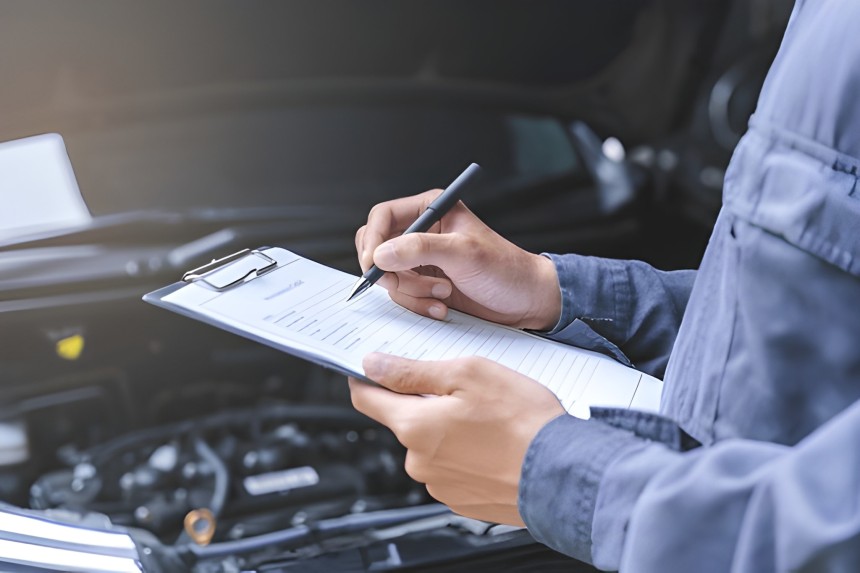

Everything You Need to Know About Vehicle Safety Inspections
Learn everything about vehicle safety inspections—what they are, what’s checked, types, step-by-step procedures, and where to find premium auto parts.
You're hurrying for going to work, and just as you hit the highway, your car starts acting up—a strange noise from the engine and a wobble in the tires. Panic sets in, and you worry if it's safe to proceed. Moments like these remind us why regular vehicle safety inspections aren’t just formalities—they’re essentials.
These checks don't require remove every component of your car. They focus on identifying problems early to ensure your brakes respond in an emergency, your tires remain stable, and your engine runs smoothly. Skipping inspections could lead to costly repairs or even dangerous breakdowns.
In this blog, we’ll dive into the importance of vehicle safety inspections and how they keep you, your passengers, and everyone else on the road safe. Let’s get started!
What Is a Vehicle Safety Inspection and Why Are They Important?
A vehicle safety inspection is a thorough check of your car’s essential components to ensure they are in proper working condition. These inspections aim to identify any issues that might compromise safety, reduce performance, or damage the environment. Regular inspections assist in detecting minor issues before they become big concerns, saving you time, money, and stress.
Vehicle safety checks provide not just conformity with local requirements, but also peace of mind. Imagine driving down a busy highway and realizing your brakes are failing—a safety assessment might avert such a tragedy.
DID YOU KNOW?
According to a National Highway Traffic Safety Administration study, proper vehicle safety regulations, such as frequent inspections, can reduce accident risk by up to 30%.
What Is Checked During a Vehicle Safety Inspection?
Vehicle safety inspections examine a variety of aspects of your car. Let's look at the seven most common checks done during this process.
1. Braking System
The braking system is one of the most critical components for safety. During an inspection, technicians check the brake pads, rotors, calipers, and brake fluid levels. They also look for uneven wear or signs of corrosion. Faulty brakes can lead to severe accidents, so ensuring they work properly is non-negotiable.
2. Tires and Wheels
Inspecting tires involves checking their tread depth, pressure, and overall condition. Technicians also examine the wheels for any signs of damage or misalignment. Proper tire maintenance ensures better grip on the road, improved fuel efficiency, and longer tire life.
3. Sound Damping Sheets
Sound damping sheets are essential for enhancing your driving experience by reducing interior noise and rattles. Inspectors will ensure these sheets are properly installed and functioning as intended. Properly maintained sound damping sheets not only improve ride quality but also minimize structural fatigue, adding longevity to your vehicle.
4. Lights and Indicators
Lights and indicators are checked for brightness, alignment, and functionality. This includes headlights, taillights, brake lights, and turn signals. Working lights ensure that you’re visible to other drivers, especially in low-visibility conditions.
5. Engine and Transmission
The engine and transmission are the heart of your vehicle. During an inspection, technicians check for leaks, unusual noises, and any warning lights on the dashboard. Regular maintenance here can prevent costly repairs and keep your car running smoothly.
6. Vehicles Mud Flaps
Vehicles mud flaps, which are sometimes overlooked, play an important role in safeguarding your car's frame and other important parts. They protect the vehicle from dirt, water, and debris, which could cause corrosion and damage. Inspectors verify that mud flaps are securely attached and in good condition, providing critical protection for your vehicle.
7. Exhaust System
The exhaust system is inspected for leaks, rust, or damage. A properly functioning exhaust system reduces harmful emissions, contributing to a cleaner environment. It also ensures your engine performs efficiently.
What Is the Step-by-Step Procedure for a Vehicle Inspection?
Here’s a detailed look at the process involved in a typical vehicle safety inspection:
- Check the Exterior for Damage: Start by walking around your vehicle. Look for dents, scratches, or cracked glass. Make sure headlights, brake lights, and turn signals are working. This step ensures your car is road-ready and visible to others.
- Inspect the Tires: Examine tire treads for wear and ensure the air pressure matches the recommended level. Uneven treads or low pressure can cause accidents. Don’t forget to check the spare tire—it might save your day!
- Pop the Hood for Engine and Fluid Checks: Open the hood to inspect the engine for leaks or strange noises. Check oil, brake fluid, and coolant levels. Refill any low fluids to keep your car running smoothly and avoid unexpected breakdowns.
- Test the Brakes: Take your car for a short drive and listen for squeaky or grinding noises. Ensure the brake pedal feels firm, not spongy. Faulty brakes can put everyone on the road at risk.
- Assess the Suspension and Steering: Bounce each corner of the car to check for suspension issues. Turn the steering wheel left and right to ensure smooth movement. Good suspension and steering ensure a comfortable and controlled ride.
- Evaluate the Battery and Electrical System: Check the battery terminals for corrosion and test its charge. Ensure the horn, wipers, and dashboard lights work. A reliable electrical system is essential, especially during bad weather or emergencies.
- Review Safety Features: Inspect seat belts, airbags, and child locks. These features are your last line of defense during an accident. Never skip this step—it’s about saving lives.
- Perform an Emissions Test (if required): Many areas mandate emissions testing to ensure cars meet environmental standards. A clean emissions test helps protect the planet and keeps your vehicle compliant with local laws.
What Are The Three Types Of Vehicle Inspection?
1. Pre-Purchase Inspection
A pre-purchase inspection is performed when buying a used car. It involves a comprehensive check to identify any hidden issues, giving buyer’s confidence in their purchase. This type of inspection saves you from buying a vehicle with costly problems.
Reason: This inspection provides peace of mind and ensures you’re making a smart investment.
2. Periodic Safety Inspection
Periodic safety inspections are mandatory in many regions to ensure vehicles meet safety and environmental standards. These inspections typically cover essential components like brakes, lights, and emissions.
Reason: Regular inspections ensure your vehicle remains safe and roadworthy over time.
3. Commercial Vehicle Inspection
Commercial vehicles undergo specialized inspections to meet stringent safety regulations. This includes checks for load capacity, brakes, and compliance with legal standards.
Reason: Ensuring commercial vehicles meet safety standards minimizes risks associated with heavy-duty transportation.
Where to Find Premium Auto Parts Solutions?
Now that you understand the importance of vehicle safety inspections, you might wonder, “Where can I find high-quality automotive parts?” Don’t worry—Polycrafts is here to help! As the largest manufacturer of automotive parts and accessories, which include rubber automotive parts, mud flaps, and sound damping sheets in Pakistan, we offer premium solutions for all your needs. Whether you’re upgrading your car’s performance or replacing old parts, Polycrafts has got you covered. With our focus on quality and durability, you can rest assured that your vehicle is in good hands.
The Next Step Is Yours
Vehicle safety inspections are an essential part of responsible car ownership. They help ensure that your vehicle is safe, reliable, and compliant with regulations. Regular inspections can prevent costly repairs, improve performance, and most importantly, keep you and others safe on the road.
Whether it’s checking sound damping sheets, ensuring your vehicles mud flaps are in good condition, or inspecting the engine, each component plays a crucial role in your car’s overall safety. Make inspections a regular habit and enjoy the peace of mind that comes with a well-maintained vehicle.
Drive safe, stay safe!
Guide complet des traitements en France : médicaments, conseils médica...


Best Women’s Health Hospitals India
Best Women’s Health Hospitals India

What Is the First Essential Step When Building Generative AI Features?