
Ethylene Sulfate: Uses, Properties and Safety Guide
Learn about ethylene sulfate, its chemical properties, industrial uses, safety concerns, and environmental impact in this detailed and informative guide.
Ethylene sulfate is an organic chemical compound that plays an important role in industrial chemistry. It is primarily known for its cyclic sulfate structure and is often used as an intermediate in various chemical reactions. Due to its reactive nature, ethylene sulfate is widely studied in both laboratory and industrial environments. Understanding its properties and applications helps industries use it efficiently while maintaining safety standards.
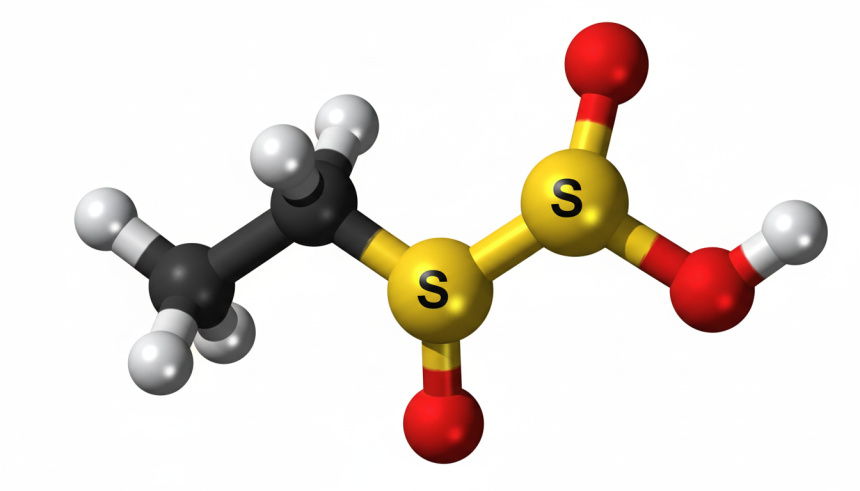
Chemical Structure and CompositionEthylene sulfate is a cyclic ester of sulfuric acid. Its molecular formula is C₂H₄O₄S, and it consists of an ethylene group bonded to a sulfate group. This unique ring structure makes it chemically reactive, especially in processes involving nucleophilic substitution. The compound appears as a colorless liquid under standard conditions and has a relatively stable configuration unless exposed to extreme environments.
Physical and Chemical PropertiesEthylene sulfate has several distinct physical and chemical properties that make it useful in industrial applications. It has a moderate boiling point and is soluble in water and organic solvents. Chemically, it is reactive due to the strained ring structure, which can easily open during reactions. This reactivity is what makes it valuable as an intermediate compound. However, it also requires careful handling because it may react with other chemicals under certain conditions.
Industrial Applications of Ethylene SulfateEthylene sulfate is widely used in the chemical industry as an intermediate for producing other compounds. It plays a role in the synthesis of polymers, pharmaceuticals, and specialty chemicals. In some cases, it is used in electrochemical processes and battery research. Its ability to undergo ring-opening reactions makes it highly versatile in creating complex chemical structures.
Role in Polymer and Material ScienceIn material science, ethylene sulfate is used to modify polymers and improve their properties. It can enhance flexibility, durability, and chemical resistance in certain materials. Researchers often use it to develop advanced materials with specific characteristics. This makes it valuable in industries such as plastics, coatings, and adhesives.
Use in Electrolytes and Battery TechnologyEthylene sulfate has gained attention in the field of battery technology. It is sometimes used as an additive in electrolytes, particularly in lithium-ion batteries. It helps improve battery performance by enhancing stability and conductivity. This contributes to longer battery life and better efficiency, making it important in modern energy storage solutions.
Health and Safety ConsiderationsHandling ethylene sulfate requires strict safety precautions. It may be harmful if inhaled, ingested, or absorbed through the skin. Exposure can cause irritation to the eyes, skin, and respiratory system. Therefore, it is essential to use protective equipment such as gloves, goggles, and masks when working with this compound. Proper ventilation is also necessary to minimize exposure risks.
Environmental Impact of Ethylene SulfateLike many industrial chemicals, ethylene sulfate can have environmental effects if not managed properly. It may contaminate water sources and soil if released in large quantities. Industries must follow proper waste disposal methods to prevent environmental damage. Regulatory authorities often set guidelines to ensure its safe use and disposal.
Storage and Handling GuidelinesEthylene sulfate should be stored in a cool, dry, and well-ventilated area. It must be kept away from heat, moisture, and incompatible substances such as strong bases or acids. Containers should be tightly sealed to prevent leakage and contamination. Proper labeling and storage practices help reduce the risk of accidents and ensure safe handling.
Laboratory Research and StudiesIn laboratory settings, ethylene sulfate is used for research purposes, particularly in organic chemistry. Scientists study its reactivity and behavior in different conditions to develop new chemical processes. It is also used in experimental synthesis to create new compounds. These studies contribute to advancements in science and technology.
Advantages of Using Ethylene SulfateOne of the main advantages of ethylene sulfate is its high reactivity, which makes it a valuable intermediate in chemical synthesis. It is versatile and can be used in multiple industries. Additionally, its ability to improve material properties and battery performance adds to its importance. These benefits make it a preferred choice in specialized applications.
Limitations and RisksDespite its advantages, ethylene sulfate has certain limitations. Its reactivity can also be a disadvantage if not controlled properly. It poses health and environmental risks, which require careful management. The need for strict safety measures can increase operational costs in industrial settings.
Regulatory and Compliance StandardsEthylene sulfate is subject to various regulations depending on the country and industry. Authorities require proper labeling, handling, and disposal to ensure safety. Companies must comply with these regulations to avoid legal issues and maintain environmental responsibility. Safety data sheets (SDS) are commonly used to provide detailed information about handling and risks.
Future Trends and Research DevelopmentsThe future of ethylene sulfate lies in advanced research and innovation. Scientists are exploring safer and more efficient ways to use this compound. Its role in battery technology and advanced materials is expected to grow. With increasing demand for sustainable solutions, researchers are also working on minimizing its environmental impact.
ConclusionEthylene sulfate is an important chemical compound with diverse applications in industry and research. Its unique properties make it valuable in polymer science, battery technology, and chemical synthesis. However, it must be handled with care due to its potential risks. By following proper safety and environmental guidelines, industries can use ethylene sulfate effectively while minimizing harm. Understanding its characteristics and applications helps in making informed decisions about its use in various fields.
Best Walmart Automation Services for Scaling Your eCommerce Store
Discover the best Walmart automation services to save time, manage your store efficiently,...

Hitclub Trai Nghiem Giai Tri Truc Tuyen Hien Dai Voi He Thong Dich Vu...
Hitclub Trai Nghiem Giai Tri Truc Tuyen Hien Dai Voi He Thong Dich Vu Chuyen Nghiep

Discovering the Best Pediatric Dentist Philadelphia for Comfortable De...
Families searching for the Best Pediatric Dentist Philadelphia can benefit from compassion...


Best OpenShift Training Course with Hands-On Labs, Real-World Projects...
Sådan holder du styr på dine gevinster og tab
Sådan holder du styr på dine gevinster og tab