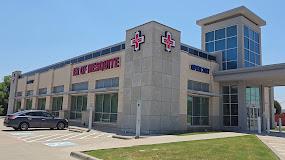

ER Room: What to Expect and When to Go
Learn when to visit an ER room, what happens during an emergency visit, what to bring, and how ER care differs from urgent care.
If you have a sudden injury or serious health problem, knowing what aner room is can help you make the right choice quickly. An ER room provides emergency medical care for conditions that may be serious or life-threatening. In this guide, we explain what happens in an ER, when you should go, and what to expect during your visit.
What Is an ER Room?An ER room, or emergency room, is a hospital department that treats people who need immediate medical attention.
ER teams commonly handle:
- Serious injuries
- Severe pain
- Breathing problems
- Chest pain
- Heavy bleeding
- Broken bones
- Sudden weakness or confusion
- Severe allergic reactions
- Serious infections
- Loss of consciousness
Emergency departments are open 24 hours a day, including weekends and holidays.
When Should You Go to an ER Room?You should seek emergency care when a health problem could become dangerous without quick treatment.
Go to an ER for symptoms such as:
- Difficulty breathing
- Severe chest pain or pressure
- Uncontrolled bleeding
- Fainting or loss of consciousness
- Serious head injuries
- Sudden trouble speaking
- Severe burns
- Major accidents
- Seizures
- Severe allergic reactions
If you believe someone is having a life-threatening emergency, call your local emergency number rather than driving them yourself.
What Happens When You Arrive?When you arrive at the ER, staff usually begin with a quick assessment called triage. This helps the medical team decide how urgently you need treatment.
The process may include:
- Registration: Staff collect basic information.
- Triage: A nurse checks your symptoms and vital signs.
- Medical examination: A doctor or other medical professional evaluates you.
- Testing: Blood tests, X-rays, scans, or other tests may be ordered.
- Treatment: You receive the care needed for your condition.
- Next steps: You may be discharged, admitted to the hospital, or referred for follow-up care.
Patients with the most serious conditions are generally treated first, so waiting times can vary.
ER Room vs. Urgent CareAn ER is designed for emergencies, while urgent care is generally better for medical problems that need prompt attention but are not life-threatening.
ERUrgent CareLife-threatening conditionsMinor illnesses and injuriesSevere breathing problemsMild infectionsMajor injuriesSmall cutsSevere chest painMinor burnsHeavy bleedingSimple sprainsWhen you are unsure whether a condition is an emergency, contacting a healthcare professional can help you decide where to seek care.
What Should You Bring?If possible, bring:
- Identification
- Insurance information
- A list of medicines you take
- Known allergies
- Important medical information
- Emergency contact details
However, do not delay emergency treatment just because you do not have these items.
Mesquite Emergency CareFor people looking for emergency medical services in Mesquite, choosing a facility that can provide timely evaluation and treatment is important. Mesquite emergency care options can help patients receive medical attention when sudden or serious health problems occur.
How to Prepare for an ER VisitYou cannot always predict an emergency, but a little preparation can help.
Keep an updated list of your medications and allergies. Know your nearest emergency department and keep important medical information easy to access. If you have a serious medical condition, make sure family members or caregivers know what to do during an emergency.
Frequently Asked QuestionsWhat does ER stand for?ER stands for Emergency Room. It is a hospital department that provides urgent medical care for serious illnesses and injuries.
When should I go to the ER?Go to the ER for potentially life-threatening problems such as severe chest pain, serious breathing difficulty, heavy bleeding, major injuries, or loss of consciousness.
Is the ER open 24 hours?Most hospital emergency departments operate 24 hours a day, seven days a week.
Why might I have to wait in the ER?ER patients are usually treated according to the seriousness of their condition. Patients with life-threatening problems are given priority.
Can I go to the ER for minor problems?You can, but urgent care or a primary care provider may be more suitable for minor illnesses and injuries when emergency treatment is not needed.
What should I bring to the ER?Bring identification, insurance information, medication details, allergy information, and relevant medical records if they are readily available. Never delay emergency care to collect these items.
For More Blogs Visit
https://eprofile.ogapatapata.com/blogs/182806/7-Powerful-Facts-Which-Brain-Scan-Is-Better
Reading a Ballistics Chart: Velocity, Energy, Drop and Wind Without Ge...
Ballistics charts look like a wall of numbers. Four columns carry most of the meaning, and...

Eight Mistakes Buyers Make With Mainstream Rifle Ammunition
Eight Mistakes Buyers Make With Mainstream Rifle Ammunition
Twist Rate, Barrel Length and Bullet: Setting Up a Rifle for the Load
A bullet only flies true if the barrel spins it fast enough. Here is how twist rate, bulle...