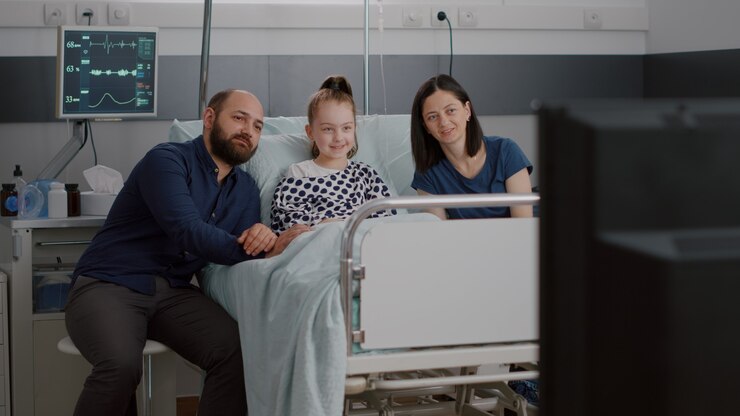

ER Room: Emergency Care in Fort Worth
Learn when to visit an ER room, common emergency treatments, diagnostic services, and how to prepare for emergency care in Fort Worth.
An emergency can happen at any time, and knowing where to go for medical help can make a big difference. An er room provides medical care for people who experience sudden illnesses, serious injuries, or symptoms that need immediate attention. Understanding how emergency care works can help patients and families make better decisions during stressful situations.
ER of Forthworth aims to help people understand emergency medical services and the importance of receiving timely care. Whether someone experiences severe pain, has trouble breathing, suffers an injury, or develops sudden symptoms, knowing when to seek emergency treatment is an important part of protecting their health.
What Is an ER Room?An emergency room is a medical department designed to evaluate and treat urgent health problems. It is staffed by trained healthcare professionals who assess patients, identify possible medical conditions, and provide appropriate treatment.
Unlike a regular doctor's office, emergency departments are prepared to handle serious conditions that may require immediate attention. They can evaluate patients with different symptoms and determine whether additional tests, treatments, or hospital admission are necessary.
Emergency care is available for people of different ages, including children and older adults. The type of treatment depends on the patient's symptoms, medical history, and overall condition.
When Should You Visit an ER Room?Knowing when to seek emergency care is important because some health problems can become dangerous without prompt treatment. Severe symptoms should never be ignored, especially when they appear suddenly or get worse quickly.
You should seek emergency medical care for symptoms such as:
- Chest pain or pressure, especially with sweating or shortness of breath.
- Difficulty breathing or severe breathing problems.
- Sudden weakness, facial drooping, or difficulty speaking.
- Heavy bleeding or serious injuries.
- Severe burns or major accidents.
- Sudden confusion, fainting, or loss of consciousness.
- Severe abdominal pain.
- Serious allergic reactions involving breathing difficulties or swelling of the throat.
These symptoms may indicate a medical emergency. Call 911 for potentially life-threatening symptoms rather than driving yourself to a medical facility.
ER of Forthworth emphasizes the importance of understanding emergency symptoms so patients can seek appropriate medical attention without unnecessary delays.
Common Conditions Treated in an ER RoomEmergency departments treat a wide range of health problems. Some conditions require immediate treatment, while others need careful examination to determine their severity.
Chest Pain and Heart ProblemsChest pain can occur for many reasons, including muscle strain, digestive problems, or heart-related conditions. However, new or severe chest pain should be treated seriously because it can be a sign of a heart attack.
Emergency professionals may perform an electrocardiogram (ECG or EKG), blood tests, and other assessments to investigate the cause. Early evaluation can help identify serious problems and guide treatment.
Breathing DifficultiesSudden breathing problems can result from asthma attacks, severe allergic reactions, infections, or heart and lung conditions. Patients who struggle to breathe need immediate medical attention.
Emergency treatment may include oxygen, medication, monitoring, and additional tests depending on the suspected cause. If breathing difficulties are severe, call 911.
Injuries and AccidentsFalls, vehicle accidents, sports injuries, and workplace incidents can cause injuries that require urgent evaluation. Some injuries may appear minor initially but can involve hidden damage.
An emergency team can assess the injury, control bleeding, provide pain relief, and determine whether imaging or further treatment is needed.
Severe Abdominal PainAbdominal pain can develop because of digestive problems, infections, kidney stones, appendicitis, or other medical conditions. Severe, sudden, or worsening pain requires prompt evaluation.
Healthcare professionals may use physical examinations, blood tests, ultrasound, or CT scans to help identify the cause.
Burns and Allergic ReactionsSerious burns can damage the skin and underlying tissues. Emergency care may be needed for deep burns, large burns, electrical burns, chemical burns, or burns affecting sensitive areas.
Severe allergic reactions can also become life-threatening, especially when they cause throat swelling, breathing difficulties, or faintness. Call 911 if these symptoms occur.
What Services Are Available in an ER Room?Emergency services vary by facility, but many emergency departments provide several types of medical assessment and treatment.
Diagnostic Testing and ImagingDoctors may need diagnostic tests to understand a patient's condition. Depending on the facility and the symptoms, these may include blood tests, urine tests, X-rays, CT scans, ultrasound examinations, and ECGs.
Imaging can help healthcare professionals identify broken bones, internal injuries, abdominal problems, and other conditions. Not every patient needs imaging, and the appropriate test depends on the medical assessment.
Emergency Medication and TreatmentPatients may receive medication to control pain, reduce allergic reactions, treat infections, or manage other urgent conditions. Emergency professionals can also provide wound care, bleeding control, and other necessary treatments.
The exact treatment depends on the patient's symptoms, examination findings, and test results.
Pediatric Emergency CareChildren sometimes develop sudden illnesses or injuries that need immediate attention. Pediatric emergency care may address breathing problems, serious allergic reactions, dehydration, significant injuries, and other urgent conditions.
Parents and caregivers should seek immediate medical help if a child has severe breathing difficulties, becomes difficult to wake, experiences a seizure for the first time, or develops other potentially life-threatening symptoms.
Monitoring and Specialist EvaluationSome patients need continuous monitoring to check their heart rate, breathing, blood pressure, or oxygen levels. Depending on the condition and available resources, emergency clinicians may also consult specialists or arrange transfer to another hospital.
If a patient requires inpatient care, the emergency team may arrange hospital admission when appropriate.
What Happens During an ER Room Visit?Understanding the emergency care process can help patients feel more prepared when they arrive for treatment.
Registration and Initial AssessmentWhen patients arrive, staff collect basic information and assess their symptoms. Emergency departments use a process called triage to determine how urgently each patient needs care.
Patients with life-threatening conditions are generally treated before those with less urgent problems. As a result, the order of treatment may not match the order of arrival.
Medical ExaminationA healthcare professional reviews the patient's symptoms, medical history, medications, allergies, and other relevant details. They may check vital signs and perform a physical examination.
Patients should describe their symptoms clearly and explain when the problem started, whether it is getting worse, and what makes it better or worse.
Tests and DiagnosisDepending on the examination, the medical team may order laboratory tests, imaging, or other investigations. These help identify the possible cause of the symptoms and determine the safest treatment plan.
Some conditions can be diagnosed quickly, while others require additional testing or observation.
Treatment and DischargeAfter evaluation and treatment, the healthcare team decides whether the patient can safely go home or needs further care. Patients who are discharged may receive medication instructions, follow-up recommendations, and information about warning signs.
It is important to follow these instructions and seek additional medical care if symptoms worsen or new concerning symptoms develop.
How to Prepare for an ER Room VisitEmergencies are often unexpected, but a few simple steps can make the process easier when it is safe to take them.
Keep the following information available when possible:
- A list of current medications.
- Known allergies and important medical conditions.
- Relevant medical records or recent test results.
- Emergency contact information.
- Details about when symptoms began and how they have changed.
Do not delay emergency treatment to collect documents or belongings. If a person has life-threatening symptoms, call 911 immediately and follow the dispatcher's instructions.
ER of Forthworth encourages patients to understand their symptoms, communicate clearly with healthcare professionals, and follow medical advice after receiving emergency treatment.
ER Room vs. Urgent Care: What Is the Difference?Emergency rooms and urgent care centers serve different medical needs. Choosing the appropriate service depends on the severity of the symptoms.
An emergency department is designed to evaluate potentially life-threatening conditions, major injuries, and serious medical problems. Urgent care centers generally treat less severe issues, such as minor cuts, mild infections, simple sprains, and certain illnesses that need prompt attention but are not life-threatening.
For example, mild cold symptoms may be suitable for an urgent care center, while severe breathing difficulties require emergency medical attention.
When you are unsure whether symptoms indicate a serious emergency, prioritize safety. Call 911 for life-threatening symptoms and seek professional medical guidance.
How to Choose an ER Room in Fort WorthFinding appropriate emergency care in Fort Worth starts with understanding your medical needs. During a serious emergency, immediate treatment is more important than comparing facilities.
When planning for non-immediate medical needs, consider factors such as the facility's location, available services, diagnostic capabilities, pediatric care options, and accepted insurance plans.
You can also learn about the facility's treatment process and the types of emergencies it evaluates. However, availability of specific tests, specialists, and services can vary, so confirm details directly with the provider when practical.
ER of Forthworth is a relevant name for people researching emergency care in the Fort Worth area. Patients should verify the facility's current location, services, and contact information before visiting.
For life-threatening symptoms, call 911 rather than delaying care to research facilities online.
Why Timely Emergency Care MattersGetting medical attention quickly can be important for conditions such as heart attacks, strokes, severe allergic reactions, and major injuries. Early assessment allows healthcare professionals to identify dangerous symptoms and begin appropriate treatment.
Delaying care may increase the risk of complications for certain medical conditions. Even when symptoms seem manageable at first, sudden worsening, severe pain, confusion, or breathing difficulties should be taken seriously.
Patients should avoid diagnosing serious symptoms on their own. A qualified healthcare professional can evaluate the situation and recommend the next steps.
Frequently Asked Questions1. What is an ER room used for?An ER room evaluates and treats urgent medical problems, including serious injuries, breathing difficulties, chest pain, severe bleeding, and other potentially life-threatening conditions.
2. When should I go to an ER room?Visit an emergency department for serious or rapidly worsening symptoms, such as severe abdominal pain, major injuries, heavy bleeding, or suspected fractures with significant injury. Call 911 for life-threatening symptoms.
3. What is the difference between an ER room and urgent care?Emergency rooms treat potentially life-threatening illnesses and serious injuries. Urgent care centers generally handle less severe medical problems that need prompt attention but are not emergencies.
4. Can children receive emergency treatment?Yes. Emergency departments evaluate children with serious illnesses, injuries, breathing problems, severe allergic reactions, and other urgent conditions. The services available for children vary by facility.
5. What should I bring to an ER room?If possible, bring identification, medication details, allergy information, and relevant medical records. Never delay emergency treatment to gather these items.
6. How long does an ER room visit take?The length of a visit depends on the patient's condition, required tests, treatment, and the number of patients needing urgent care. Patients with the most serious conditions are prioritized.
7. Does ER of Forthworth provide emergency care?People researching ER of Forthworth should confirm its current services, location, and operating information directly with the facility. For a life-threatening emergency, call 911.
For more information visit:https://eroffortworthtx.com/
Como Avaliar a Reputação de um Casino: Opiniões, Queixas e Sinais de C...
Como Avaliar a Reputação de um Casino: Opiniões, Queixas e Sinais de Confiança
Atlas Pro IPTV : Comprendre la Compatibilité entre Applications et App...
Atlas Pro IPTV : Comprendre la Compatibilité entre Applications et Appareils
Article France : comment trouver et lire des informations fiables sur...
Article France : comment trouver et lire des informations fiables sur l’actualité français...