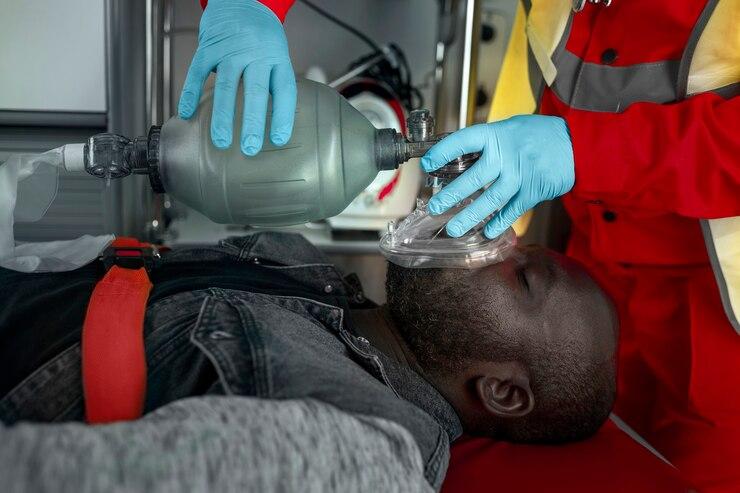

Emergency Services: 9 Warning Signs That Demand Fast Medical Care
Learn 9 warning signs that require emergency services, from chest pain to serious injuries, and discover how ER of Forthworth provides fast medical evaluation.
Introduction
Medical problems can happen suddenly, and knowing when to seek professional help can make a major difference. emergency services are designed to provide rapid medical evaluation when an illness, injury, or unexpected symptom may be serious. Understanding warning signs can help you avoid unnecessary delays and get the right care when it matters most.
ER of Forthworth provides emergency medical evaluation for patients experiencing sudden illnesses, injuries, severe pain, and other urgent health concerns. From diagnostic testing to treatment and observation, the goal is to identify the problem quickly and provide appropriate care.
What Are Emergency Medical Services?Emergency medical care is intended for health problems that need prompt evaluation and treatment. These situations may involve serious injuries, sudden illnesses, breathing problems, chest discomfort, severe infections, or other symptoms that cannot safely wait for a routine appointment.
Unlike a regular doctor's visit, emergency care focuses on immediate assessment. Medical professionals first evaluate the patient's condition, identify possible risks, and determine the appropriate treatment.
Common reasons people seek emergency medical attention include:
- Sudden chest pain or pressure
- Difficulty breathing
- Severe abdominal pain
- Serious injuries
- Broken or dislocated bones
- Severe allergic reactions
- Uncontrolled bleeding
- Loss of consciousness
- Stroke warning signs
- Severe dehydration
- Sudden confusion
- High fever with concerning symptoms
Some symptoms should never be ignored, especially when they appear suddenly or become worse quickly.
1. Severe or Sudden Chest PainChest pain can have many causes, including heart-related conditions, lung problems, or other serious issues. Pain that feels like pressure, squeezing, heaviness, or tightness deserves immediate evaluation.
Seek urgent medical attention if chest discomfort occurs with:
- Shortness of breath
- Sweating
- Nausea
- Dizziness
- Pain spreading to the arm, back, neck, or jaw
- Fainting or extreme weakness
Do not wait for chest pain to disappear if it is severe or unusual.
2. Trouble BreathingDifficulty breathing can develop because of asthma, allergic reactions, infections, heart problems, or other conditions.
Emergency evaluation may be necessary when someone:
- Cannot breathe normally
- Has blue or gray lips
- Is struggling to speak because of breathlessness
- Experiences sudden wheezing
- Has severe chest tightness
- Becomes confused or extremely weak
Breathing problems can become serious quickly, so prompt evaluation is important.
3. Signs of a StrokeA stroke requires immediate medical attention because treatment may depend on how quickly the patient is evaluated.
Remember the common warning signs:
- Face: One side of the face may droop.
- Arms: One arm may become weak or numb.
- Speech: Speech may become unclear or difficult.
- Time: Get medical help immediately.
Other possible symptoms include sudden vision changes, severe dizziness, difficulty walking, confusion, or a sudden severe headache.
4. Serious InjuriesAccidents can cause injuries that are not always obvious from the outside. Falls, car crashes, workplace accidents, and sports injuries may damage bones, joints, muscles, or internal organs.
Seek emergency evaluation for:
- Suspected fractures
- Severe bleeding
- Head injuries
- Loss of consciousness
- Serious cuts
- Major burns
- Severe swelling or deformity
- Inability to move an injured body part
Prompt assessment can help identify injuries and prevent complications.
5. Severe Abdominal PainAbdominal pain can result from something minor, but sudden or intense pain may indicate a condition requiring immediate treatment.
Get medical attention when abdominal pain is:
- Severe or rapidly worsening
- Associated with repeated vomiting
- Accompanied by blood in vomit or stool
- Associated with fainting
- Accompanied by a swollen or rigid abdomen
- Combined with fever or severe weakness
A medical evaluation can help determine the cause and whether testing or treatment is needed.
6. Uncontrolled BleedingSmall cuts may often be treated at home, but heavy or persistent bleeding can be dangerous.
Emergency care may be necessary when:
- Bleeding does not stop with firm pressure
- Blood is coming from a serious wound
- There is significant blood loss
- The person becomes weak or dizzy
- The injury involves the head, chest, or abdomen
Do not delay professional care when blood loss appears significant.
7. Severe Allergic ReactionsA serious allergic reaction can develop rapidly. Swelling of the face, lips, tongue, or throat may interfere with breathing.
Other warning signs include:
- Difficulty breathing
- Wheezing
- Severe dizziness
- Fainting
- Widespread hives
- Sudden throat tightness
- Rapid worsening of symptoms
A severe allergic reaction should be treated as a medical emergency.
8. Loss of Consciousness or Sudden ConfusionFainting can happen for several reasons, but unexplained loss of consciousness should be medically evaluated, especially when it happens with chest pain, breathing difficulty, injury, or abnormal heart activity.
Sudden confusion may also signal a serious problem, particularly when it appears alongside weakness, speech problems, fever, or severe headache.
9. High Fever With Serious SymptomsA fever alone does not always require emergency treatment. However, a high fever combined with concerning symptoms may require prompt medical evaluation.
Watch for:
- Severe headache
- Stiff neck
- Confusion
- Difficulty breathing
- Persistent vomiting
- Extreme weakness
- Seizures
- Signs of severe dehydration
Children, older adults, and people with certain health conditions may require additional attention when serious symptoms develop.
When Should You Visit an ER?A simple rule is to consider how severe, sudden, or unusual the symptoms are.
An emergency evaluation may be appropriate when:
- Symptoms are severe or getting worse quickly.
- There is difficulty breathing.
- There is chest pressure or severe chest pain.
- A serious injury has occurred.
- There is uncontrolled bleeding.
- The person loses consciousness.
- Stroke symptoms appear.
- A serious allergic reaction develops.
- Severe pain has no clear explanation.
If you believe someone is experiencing a life-threatening emergency, call your local emergency number or seek immediate emergency assistance.
What to Expect at ER of ForthworthWhen patients arrive at ER of Forthworth, the medical team evaluates their symptoms and overall condition. The first goal is to understand how serious the problem may be and determine what care is needed.
Depending on the situation, evaluation may include:
Medical AssessmentHealthcare professionals review symptoms, medical history, vital signs, and other relevant information.
Diagnostic TestingDepending on the symptoms, clinicians may recommend diagnostic testing to help identify the cause. Testing can include imaging, laboratory work, or other appropriate examinations.
TreatmentTreatment depends on the condition. It may involve medication, wound care, stabilization of an injury, fluids, or other medical interventions.
Observation and Follow-UpSome patients may need observation after treatment. The medical team can also provide instructions about follow-up care and warning signs to watch for.
Why Fast Evaluation MattersWaiting too long when serious symptoms appear can sometimes allow a condition to become more difficult to treat. Early evaluation gives healthcare professionals an opportunity to identify potential problems and begin appropriate care.
Fast medical attention is especially important for conditions involving:
- The heart
- Brain
- Lungs
- Severe injuries
- Heavy bleeding
- Serious infections
- Allergic reactions
Getting evaluated does not necessarily mean that a condition is life-threatening. It means a healthcare professional can assess the situation and determine the safest next step.
How to Prepare for an Emergency VisitIf possible, bring useful information with you when seeking emergency care.
Consider having:
- A list of current medications
- Known allergies
- Relevant medical history
- Identification and insurance information
- Information about when symptoms started
- Details about an accident or injury
However, do not delay urgent treatment just to collect paperwork or personal items. Getting medical attention should come first when symptoms are serious.
Common Mistakes to AvoidPeople sometimes wait too long because they believe symptoms will disappear. Other times, they try to diagnose themselves online without professional evaluation.
Avoid:
- Ignoring severe or worsening symptoms
- Driving yourself when you are seriously unwell
- Taking someone else's prescription medication
- Delaying care after a serious accident
- Assuming severe pain is harmless
- Ignoring stroke or breathing symptoms
When symptoms are severe or unusual, professional evaluation is safer than guessing about the cause.
Emergency Care for Adults and ChildrenMedical emergencies can affect people of every age. Children may have difficulty explaining what they feel, while older adults may experience unusual symptoms during serious illnesses.
Parents and caregivers should pay attention to:
- Difficulty breathing
- Unusual sleepiness
- Seizures
- Severe dehydration
- Serious injuries
- Persistent vomiting
- Sudden behavior changes
- High fever with concerning symptoms
When a child's condition appears serious or is rapidly worsening, prompt medical evaluation is important.
Frequently Asked QuestionsWhat is the difference between emergency care and routine care?Routine care is generally used for scheduled appointments and non-urgent health concerns. Emergency care is intended for sudden or potentially serious problems that need prompt medical evaluation.
When should I seek emergency medical attention?Seek immediate medical attention for symptoms such as severe chest pain, breathing difficulty, stroke warning signs, uncontrolled bleeding, serious injuries, loss of consciousness, or severe allergic reactions.
Can severe abdominal pain require emergency care?Yes. Severe, sudden, or worsening abdominal pain can sometimes be linked to conditions that require prompt evaluation, especially when accompanied by vomiting, bleeding, fever, fainting, or abdominal swelling.
Should I go to an ER after an accident?A serious accident should be medically evaluated, particularly if there is head trauma, severe pain, bleeding, suspected fracture, loss of consciousness, or difficulty moving.
What happens during an emergency evaluation?Healthcare professionals generally assess symptoms, check vital signs, perform a physical examination, and order appropriate diagnostic tests when needed. Treatment is based on the findings.
Can children receive emergency medical care?Yes. Children can receive evaluation and treatment for injuries, breathing problems, fever, dehydration, allergic reactions, and other urgent medical concerns.
Should I wait if symptoms are getting worse?No. Symptoms that become severe or worsen quickly should not be ignored. Prompt medical evaluation can help determine the cause and appropriate treatment.
ConclusionRecognizing serious symptoms can help you make better decisions when unexpected health problems occur. Severe chest pain, breathing difficulty, stroke symptoms, serious injuries, uncontrolled bleeding, severe abdominal pain, and other warning signs should be taken seriously.
ER of Forthworth offers medical evaluation for urgent illnesses and injuries, helping patients receive appropriate assessment and treatment when they need it. When a health problem seems severe, sudden, or rapidly worsening, seeking professional medical attention is an important step.
For more information visit:https://eroffortworthtx.com/emergency-services/
Innovations in Cannulated Bone Screw Systems for Percutaneous Fixation
The evolution of minimally invasive orthopedic surgery has driven remarkable advances in c...

Advanced Cortical Bone Screw Technology in Modern Orthopedic Surgery
Orthopedic surgery continues to evolve with innovative fixation technologies that improve...
CrownX.com.pk: Exploring Android Games, Mobile Apps, and Digital Enter...
CrownX.com.pk: Exploring Android Games, Mobile Apps, and Digital Entertainment in Pakistan

