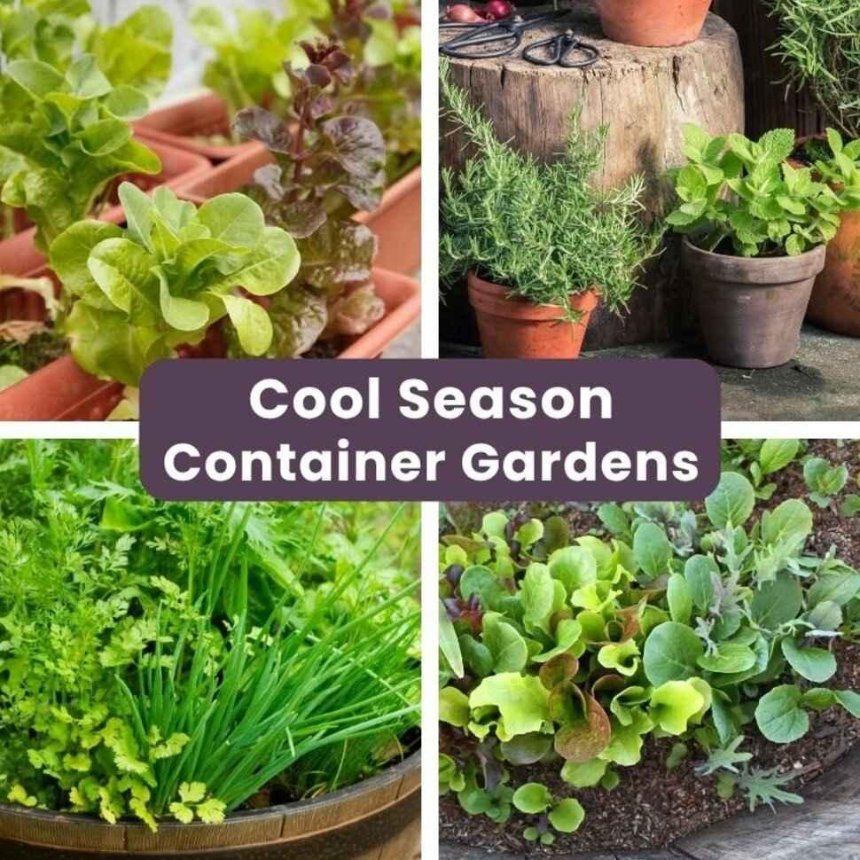

Edible Landscape Plants for Fall Containers in the East Bay
Grow edible landscape plants in pots this fall. Get East Bay tips on cool-season veggies, herbs, pollinator flowers, potting mix, and drainage from Evergreen.
Edible Landscape Plants for Fall Container Gardening in the East BayKey Takeaways
- Fall and winter are prime container seasons in San Leandro, Oakland, and the rest of the East Bay.
- Edible landscape plants like kale, lettuce, chard, and herbs grow well in pots when the container fits the crop.
- Sweet alyssum, calendula, rosemary, and manzanita feed bees and hummingbirds when few other plants are blooming.
- Veggie and herb starts get scarce in December and January, so plant now or wait for February.
- Winter container care comes down to drainage: fresh mix, open holes, and no saucers full of rainwater.
- Pairing flowers with edibles saves space and attracts beneficial insects that help control aphids.
Our guide to starting a fall vegetable garden in the East Bay covers garden beds. This one is for patios, balconies, and front steps. Our mild Mediterranean climate means your pots don’t have to sit empty once the tomatoes finish. Fill them with edible landscape plants and pollinator-friendly flowers now, and they’ll keep you fed and keep the bees busy straight through spring.
Why Fall Is the Best Time for Container GardeningCool-season crops do their best when temperatures run between 55°F and 75°F, according to the UC Master Gardener Program. That’s a good match for most East Bay days from October through March, even with the occasional heat spell or cold storm.
Containers also give you control once the rain arrives. You pick the soil, manage the drainage, and move pots around as the seasons change. As the winter sun sinks lower, slide your pots into the sunniest spot you have. Most cool-season edibles still want at least six hours of direct sun a day.
Should You Plant in December or January?You can, but it’s harder. Short days and cold soil slow root growth, so new plants take longer to settle in. Supply is the bigger problem. Regional growers time their vegetable and herb seedlings for spring, which means starts are hard to find in midwinter. Our veggie tables, like those at most garden centers, begin filling up again in February.
Growing from seed is the only real workaround. You’d need a warm, bright spot and a start date at least six to eight weeks before transplanting. It’s a fun project, but we don’t recommend it for beginners. Starts are popular for a reason: they’re easy. For most gardeners, the plan is simple. Plant this fall, or wait for fresh starts in February.
Set Up Your Containers for the Rainy SeasonMatch the Pot to the PlantLettuce, radishes, and most herbs are happy in wide, shallow pots and window boxes. Broccoli, cabbage, and kale grow into large plants, so each one needs its own deep container. Half wine barrels, large glazed pots, and fabric pots all work well. Terra cotta breathes and dries faster, which suits rosemary, thyme, and sage going into a wet winter.
Start With Fresh Potting MixSummer crops leave container soil worn out and compacted. Replace it, or refresh the top third with a quality mix such as E.B. Stone’s EarthFirst or Foxfarm’s Ocean Forest. Skip garden soil in pots. It’s too dense and can smother roots. Our potting soil vs. garden soil guide explains the difference.
Skip the Gravel, Keep the Holes ClearMany gardeners still put gravel at the bottom of a pot, but it doesn’t help drainage. University of Missouri Extension explains that water collects in the soil just above the gravel layer, leaving the root zone wetter. Fill the whole pot with potting mix instead.
When the rains start, lift pots on pot feet so water can escape, and empty saucers after every storm. Roots sitting in standing water are the fastest route to root rot.
Edible Landscape Plants That Thrive in PotsEdible landscape plants earn their space twice. They look good and they feed you. In fall containers, these are the easiest wins.
Leafy GreensLettuce, arugula, spinach, Swiss chard, and baby bok choy are the simplest crops for fall pots. Harvest the outer leaves and the plants keep producing for weeks.
Kale, Broccoli, and CabbageKale is the star of winter containers. A single plant in a large pot can feed a household for months. Broccoli and cabbage also do well in pots, but plant them from starts and give each one its own container.
Root VegetablesRadishes are the fastest crop you can grow, often ready in about a month, and they grow easily from seed. Carrots and beets can be sown directly too, though germination can be hit or miss, so many gardeners buy seedlings. Choose short or round varieties and use deeper pots.
Green Onions and PeasBunching onions grow quickly in narrow pots and are easy to harvest. Snap peas and snow peas climb happily up a small trellis tucked into a deep container.
Cool-Season Herbs for PotsCilantro and parsley love cool weather, since heat makes them bolt. Chives come back year after year in a small pot if you protect it from extreme weather.
Rosemary, thyme, and sage prefer to dry out between waterings, so put them in terra cotta in a sunny, sheltered spot. If you grow mint, give it a pot of its own unless you want it to take over the garden.
Eco-Gardening Tip: When your cilantro and parsley flower next spring, leave the blooms in place for a few weeks before cutting the plants back. The tiny flowers feed small beneficial insects.
Pollinator Plants to Pair With Your EdiblesPollinators don’t take the winter off in the East Bay. Anna’s hummingbirds live here year-round, and bees forage on warm winter afternoons. A few well-chosen plants can keep them fed through the leanest months.
- Sweet alyssum: A honey-scented carpet of tiny flowers that spills over the edge of a pot and attracts beneficial insects. UC Master Gardeners in Stanislaus County suggest planting it around citrus trees, which also works for potted citrus.
- Calendula: Orange and yellow blooms with edible petals. UC Master Gardeners of Santa Clara County include it among the flowers that support beneficial insects.
- Rosemary: A kitchen herb that also blooms in winter, and bees love it.
- Manzanita: Compact native varieties flower in late winter with small, bell-shaped blooms that attract hummingbirds and early bees. Give them a large container and plenty of sun.
Pro Tip: Plant a flower and an edible together. Tuck sweet alyssum around a pot of kale, or set calendula beside your lettuce. You get more blooms, more beneficial insects, and fewer aphids if the weather turns unseasonably warm.
Cool-Season Container CareWatering: Check the soil with your finger before you water. Pots under eaves or on covered patios can stay dry after a storm, while exposed pots may need no extra water for days.
Feeding: Growth slows as days shorten, so go light. A liquid fish and kelp drench every few weeks gives leafy greens a gentle lift.
Pest patrol: Wet weather brings out snails and slugs, so check your pots at dusk. During warm spells, watch kale and broccoli for aphids and cabbage loopers. A strong blast from the hose or a quick pick by hand handles most problems.
Read More: Fall Container Gardening in the East Bay: Cool-Season Veggies, Herbs, and Pollinator Plants
FAQCan I grow edible landscape plants in containers over winter in the East Bay?Yes. Our winters rarely bring hard frost, so leafy greens, kale, root vegetables, and cool-season herbs grow in containers from fall through spring.
What size pot do I need for broccoli or kale?Give each plant its own large container. A 5-gallon nursery pot or something similar works for one plant. Fabric pots are a good choice because they’re lightweight and easy to move.
Do I need to replace potting soil every season?Not always. Refresh the top third with new potting mix and compost. Replace all of it if it’s compacted or if a diseased plant lived there.

What Is the First Essential Step When Building Generative AI Features?

Medicamentos en España: Guía de Tratamientos, Información Farmacéutica...


Kann generisches Cialis mit anderen Medikamenten wechselwirken?
Wer generisches Cialis verwenden möchte, sollte seinem Arzt eine vollständige Liste aller...
hotel shampoo dispenser supplier in Bahrain
hotel shampoo dispenser supplier in Bahrain