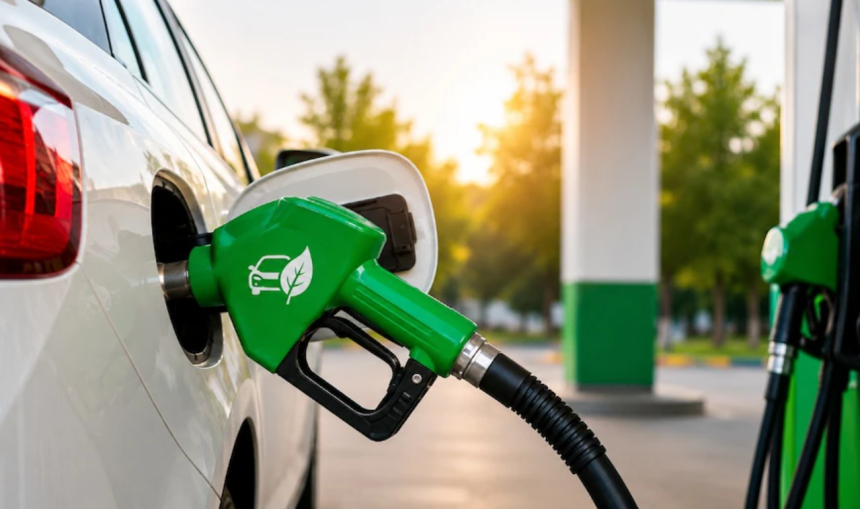

E20 to E30 Ethanol Petrol in India: Impact on Fuel Prices, Mileage & Economy
India’s move from E20 to E30 ethanol-blended petrol after scrapping excise duty is reshaping fuel policy. Learn how it affects petrol prices, vehicle mileage, environment, and long-term fuel savings for consumers.
India’s energy sector is going through a quiet but powerful transformation. The government’s push for ethanol-blended petrol, combined with the removal of excise duty on such fuels, is accelerating a shift from E20 (20% ethanol blending) toward E30 (30% ethanol blending). While it may sound like a technical change in fuel composition, the impact of this move extends to fuel prices, vehicle performance, agriculture, and even India’s long-term energy security. Understanding the ethanol blending roadmap Ethanol blending refers to mixing petrol with ethanol, a renewable fuel derived mainly from sugarcane, maize, and other agricultural crops. India has already expanded E20 petrol across many regions, and now the focus is on increasing this share further to E30 in the coming years. This roadmap is part of India’s broader strategy to reduce crude oil imports and move toward cleaner energy alternatives. By blending more ethanol, the country aims to cut dependency on fossil fuels while also supporting domestic agriculture. Why excise duty removal matters Excise duty is a tax levied on the production of fuel. By removing excise duty on ethanol-blended petrol, the government is making ethanol mixing more financially attractive for oil companies. This step helps in several ways: Reduces production and blending costs for fuel suppliers Encourages faster adoption of higher ethanol blends Keeps retail petrol prices relatively stable for consumers Supports long-term investment in biofuel infrastructure In simple terms, this policy ensures that the transition to cleaner fuel does not create sudden price shocks for end users. Will petrol become cheaper? One of the biggest expectations from ethanol blending is cheaper fuel. Since ethanol is generally less expensive than petrol, higher blending can help reduce overall fuel costs. However, the real-world impact is more balanced. While ethanol may reduce fuel costs per litre, it also has lower energy content compared to petrol. This means vehicles may require slightly more fuel to travel the same distance. So the effect looks like this: Possible stabilization of petrol prices Slight reduction in cost per litre (in some cases) Minor reduction in mileage depending on vehicle type Overall savings depend on driving habits, engine efficiency, and ethanol compatibility. Impact on vehicles and mileage Modern vehicles in India are increasingly being designed to handle E20 fuel, and future models are expected to support even higher blends like E30. For consumers, the key concerns include: Slight drop in mileage due to lower energy density Need for ethanol-compatible engine components Possible long-term wear in older vehicles if not properly maintained Automakers are already working on upgrading engine technology to align with future fuel standards, so newer cars are expected to handle this transition smoothly. Environmental benefits of ethanol blending One of the strongest advantages of ethanol-blended petrol is its environmental impact. Ethanol burns cleaner than traditional petrol, leading to reduced emissions. Key environmental benefits include: Lower carbon dioxide emissions Reduced air pollution in urban areas Cleaner combustion process Contribution to climate change goals This makes ethanol blending an important step in India’s journey toward greener mobility. Boost for farmers and rural economy Ethanol production is closely linked to agriculture. Crops like sugarcane and maize are key raw materials, which means increased ethanol demand directly benefits farmers. This creates: Additional income sources for farmers Higher demand for agricultural produce Strengthened rural economy Better utilization of surplus crops Thus, ethanol policy is not just an energy reform but also an agricultural support system. Conclusion India’s shift toward E20 and E30 ethanol-blended petrol is a long-term structural change rather than a short-term pricing strategy. While consumers may not see immediate drastic reductions in fuel bills, the broader impact includes reduced oil imports, improved environmental outcomes, and stronger support for the rural economy. The removal of excise duty is essentially a catalyst that speeds up this transition. For vehicle owners and consumers, the key takeaway is simple: fuel in India is becoming cleaner, more domestically produced, and more future-focused—even if the changes at the pump feel gradual. https://www.parcharmanch.com/blog/india-removes-excise-duty-on-ethanol-blended-petrol-what-e20-e30-shift-means-for-fuel-prices





AC Installation Franklin TN | True Blue Air Cooling Services
Need reliable AC installation in Franklin, TN? True Blue Air provides top-rated, fast, and...

بخور اجمل: تجربة عطرية تقليدية بلمسة عصرية مع شيرو
يُعد بخور اجمل من العناصر الأساسية في الثقافة العربية، خاصة في سلطنة عمان، حيث يرتبط استخد...