Dog Car Seat: Essential Guide to Safe and Comfortable Travel
You want your dog safe and calm on every journey, and the right car seat makes that simple. A properly fitted dog car seat restrains your pet, reduces driver distraction, and helps prevent injury during sudden stops. Choosing the right size and style keeps your dog comfortable and lets you focus on the road.
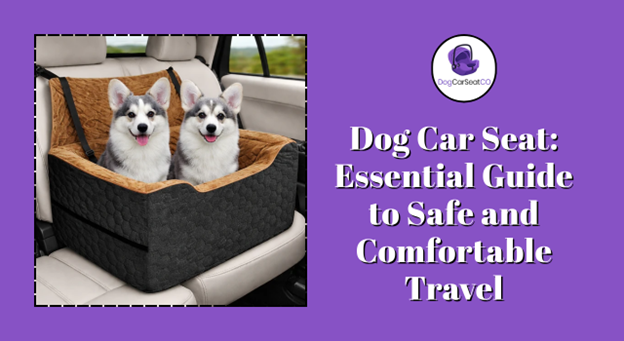
You want your dog safe and calm on every journey, and the right car seat makes that simple. A properly fitted dog car seat restrains your pet, reduces driver distraction, and helps prevent injury during sudden stops. Choosing the right size and style keeps your dog comfortable and lets you focus on the road.
Think about your dog’s weight, behaviour and how often you travel when picking a seat. Look for secure attachment points, easy-clean covers and a design that suits your car and your dog’s needs to make trips smoother for both of you.
Key Takeaways
- Pick a car seat that matches your dog’s size and travel habits.
- Prioritise secure attachments and washable materials.
- A good seat reduces distraction and improves safety for everyone.
Choosing the Right Dog Car Seat
Pick a seat that matches your dog’s size, the way you travel, and your car’s anchor points. Think about whether you need elevation for window view, a low-profile carrier for small dogs, or a heavy-duty crate for larger breeds.
Key Types: Booster, Non-Elevated and Convertible Seats
Booster seats lift small dogs so they can see out the window and feel less anxious. They are usually secured with the vehicle seatbelt and include an internal tether that clips to your dog’s harness. Look for models called dog booster seat, pet booster seat or dog booster car seat if your dog weighs under 10–18 lb.
Non-elevated seats and soft dog car bed designs sit flat on the seat. They work well for low-mobility dogs or short trips. These often use slipcovers, anti-slip bases and a built-in seat belt harness restraint.
Convertible seats adapt between booster and carrier modes — useful if you switch between driving and walking. Examples include booster carrier box styles that become a portable puppy booster car carrier. Convertible models suit owners who want one product for travel and short outings.
Selecting the Appropriate Size for Your Dog
Measure your dog’s length from chest to rump and weigh them before buying. For small dog car seat options, confirm the maximum weight rating and internal dimensions rather than relying on generic “small” labels.
If your dog can turn around and lie down comfortably, the seat fits. For booster seats, ensure the dog can see out without their head hitting the roof. When choosing crates or heavy-duty carriers, allow a snug fit to limit forward movement during braking.
Check product listings for specific size charts (weight + recommended measurements). Brands like Petsfit and Mixjoy typically publish clear dimension tables for dog car seats for small dogs. If between sizes, pick the larger option only if it still holds the dog snugly.
Attachment Systems and Vehicle Compatibility
Match the seat’s attachment method to your car. Most booster and carrier-style seats use the lap belt and shoulder belt routing. Some higher-end models offer ISOFIX dog car seat anchors or straps that loop to the vehicle’s headrest.
For crates and heavy carriers, use tie-down straps to anchor to cargo hooks or seat brackets. Read the manufacturer’s instructions to see if they include straps; some brands sell straps separately. If your vehicle has ISOFIX points, choose ISOFIX-compatible options for extra stability.
Inspect the anchor points in your car and test-install the seat before the first trip. Confirm the adjustable headrest straps and clips fit your vehicle’s headrest posts. Avoid seats that rely solely on friction; look for those with multiple attachment points and a clip-on safety leash for short-term restraint.
Essential Features: Safety, Cleaning and Additional Benefits
Prioritise crash-tested or CPS-certified products when possible. Check for robust stitching, metal hardware on tether points, and straps rated for automotive loads. A separate seat belt harness restraint or internal tether should attach to a walking harness, not a collar.
Choose washable, water-resistant liners and removable pads for easy cleaning. Many dog car seat bed designs include machine-washable covers. Non-slip rubber or Velcro bases reduce sliding on leather or fabric seats.
Look for extras that matter to your routine: storage pockets, quick-release buckles, and breathable mesh for ventilation. If you drive long distances, consider seats with thicker padding or a dog car seat bed option for comfort. For multi-use, pick a puppy car bed that converts into a carrier and accepts common harness tethers.
Dog Car Safety and Comfort Essentials
You need a setup that keeps your dog secure, limits driver distraction, and stays easy to clean. Focus on a proper restraint, verified safety standards, and multi-use gear that fits your car and dog.
Proper Restraint: Seat Belts, Harnesses and Tethers
Use a purpose-made dog seat belt or a seat belt harness restraint that clips into the car’s buckle or to a vehicle seat belt. Attach the harness to your dog, not the collar, so force spreads across the chest and shoulders. Look for harnesses labelled as crash-tested or sold with clear load ratings.
Secure tethers should be short enough to stop forward movement but long enough for natural posture. For small dogs, a travel pet bed or booster with an internal tether works well. For larger dogs, a crate or a heavy-duty harness plus a belted anchor gives better containment. Always test fit: your dog should sit and lie down comfortably without excessive slack. Replace harnesses and belts after any moderate crash.
Crash Testing and Safety Standards
Choose products tested by recognised groups like the Centre for Pet Safety. Crash-tested carriers, such as some Sleepypod models, meet standards similar to child seats and show measured performance in impact tests. Look for independent test results or certification badges before buying.
Read product specs for maximum weight, anchoring method, and the type of test used. Beware of marketing that claims “crash resistant” without data. If you use a pet carrier or crate, secure it to the vehicle with the seat belt or an ISOFIX anchor where available. Replace any item that fails a crash test or shows structural damage.
Multi-Functionality: Carrier Beds, Hammocks and Strollers
Pick gear that serves more than one purpose to get value and convenience. A travel pet bed that doubles as a booster or a washable pet booster with an integrated tether works for short trips. A 2-in-1 seat cover and booster protects upholstery and lifts small dogs so they can see out the window.
Rear seat hammocks keep dogs off the floor and protect seats; choose waterproof dog car seat hammocks with reinforced straps and non-slip backing. Pet strollers and foldable pet carriers let you move a sleepy dog between car and park without lifting. Memory foam dog boosters add comfort for anxious or older pets, while washable covers make cleanup simple. For frequent air and car travel, a pet travel carrier bed or Sleepypod Mobile Pet Bed that’s crash-tested and easy to clean is the best option.
Frequently Asked Questions
These answers cover practical steps you can take now: how to restrain your dog, what fit and features to pick, correct installation, vehicle compatibility, and care tips to keep the seat safe and comfortable.
How can I ensure my dog's safety while travelling in a vehicle?
Place your dog in the back seat or a secured cargo area to lower injury risk. Use a harness tethered to the car’s seat belt system or a crash-tested crate to prevent movement in sudden stops.
Check straps and attachments before every trip. Secure the harness to the seat belt and avoid clipping to a collar, which can cause neck injury in a crash.
What should I look for when choosing a car seat for my dog?
Match the seat to your dog’s weight and body length. Look for firm attachment points, non-slip bases, and harness-compatible tethers.
Choose products with clear installation instructions and, when possible, crash-test certification. Padding and breathable fabric help on longer journeys.
Are there specific car seat sizes for different dog breeds?
Yes. Manufacturers usually list weight and size ranges for each model. Small breeds need booster-style seats for visibility; medium and large dogs need larger, more stable options or crates.
Measure your dog lying down and sitting to check space. A snug fit prevents sliding; too tight causes stress.
How do I install a dog car seat correctly?
Follow the manufacturer’s manual step by step. Thread the vehicle seat belt or use ISOFIX/anchor points where the seat allows, and pull straps tight without twists.
Attach the dog’s harness to the seat tether, not the collar. After installation, do a firm pull test to confirm the seat does not move.
Can dog car seats be used on all types of vehicles?
Most seats fit common cars, SUVs and hatchbacks, but check compatibility first. Slim seats may not work well on bench seats with built-in headrests or vehicles without standard seat belt anchors.
For vans or trucks, you may need a different restraint system or a secured crate. Always test fit and read vehicle-specific guidance.
What is the best way to clean and maintain a dog car seat?
Remove loose hair and debris with a vacuum or lint roller after each trip. Follow the label for washing removable covers; use mild detergent and air dry to preserve fabric and foam.
Inspect straps, buckles and stitching monthly for wear. Replace the seat or tether if you see fraying, damaged clips, or any structural weakness.
Ultralight London and the Art of Effortless Styling
Ultralight London and the Art of Effortless Styling



How to File DBA Registration Correctly: The Costly Mistakes New Owners...


اینی بیسنٹ کا کتابچہ: "محمد (صلی اللہ علیہ وآلہ وسلم) کی حیات اور تعلی...