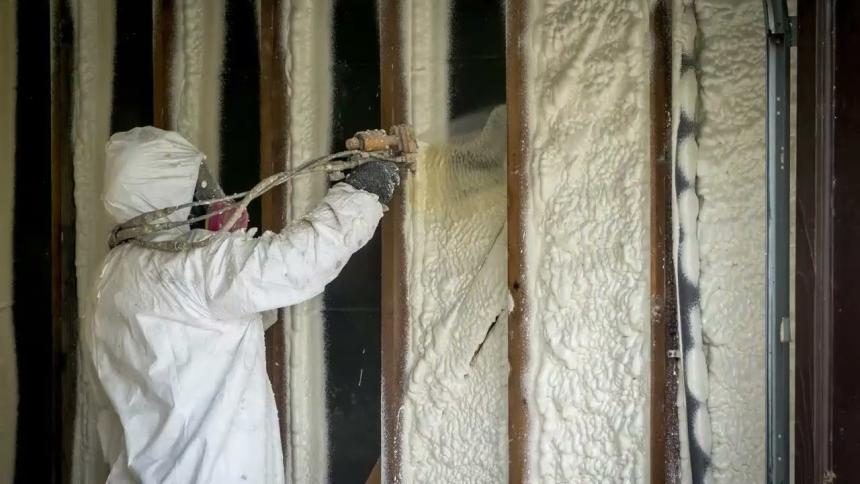

Does Moisture Affect Wall Insulation? Signs Your Home May Need an Upgrade
Yes, moisture can drastically reduce the effectiveness of your wall insulation and lead to long-term structural problems if left untreated. When insulation becomes wet, it loses much of its thermal resistance (R-value), allowing heat to pass through your walls more easily. This forces your HVAC system to work harder, increasing monthly energy bills and reducing indoor comfort. Over time, trapped moisture inside wall cavities can cause wall insulation moisture damage, including mold growth, mildew, wood rot, and deterioration of drywall. These issues not only affect your home's energy efficiency but can also create poor indoor air quality and costly repairs. Installing high-quality wall insulationprovides a superior moisture barrier by sealing air leaks, preventing water vapor infiltration, and improving overall thermal performance. Whether you're upgrading existing insulation or insulating a new home, professionally installed residential wall insulation, spray foam insulation for walls, and energy-efficient wall insulation help protect your property from moisture damage while delivering year-round comfort, lower utility costs, and long-lasting durability.
If you have noticed cold drafts, damp walls, or rising heating bills, your home might be warning you about wet barriers. This guide explores how moisture impacts materials, how to spot the signs of decay, and when to seek professional help.
With years of experience in regional building science, our team has monitored how insulation reacts to moisture in different environments. This expertise helps you make informed choices to protect your property and keep your utility bills low.
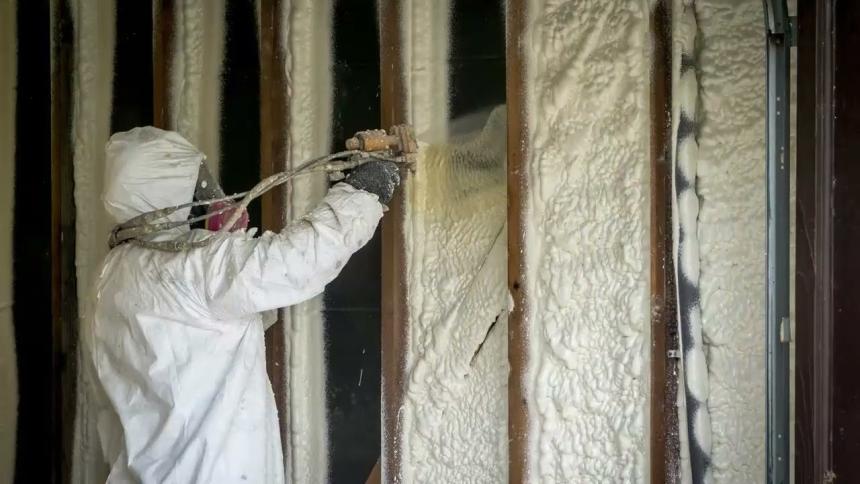
How Wet Barriers Impact Home Efficiency
When moisture enters your wall cavities, it fills the tiny air pockets that normally block heat transfer. Since water is an excellent conductor of heat, wet materials allow heat to move easily through your walls.
This thermal breakdown leads to serious wall insulation problems that compromise your indoor comfort. The dampness turns your protective barrier into a pathway for heat transfer, making your home drafty.
Consider these facts about wet building materials:
- Wet fiberglass can lose up to 60 percent of its thermal resistance when exposed to minor moisture.
- Wet cellulose material sags and packs down, leaving large uninsulated gaps at the top of your walls.
- Trapped moisture promotes wood rot and compromises the structural safety of your home framing.
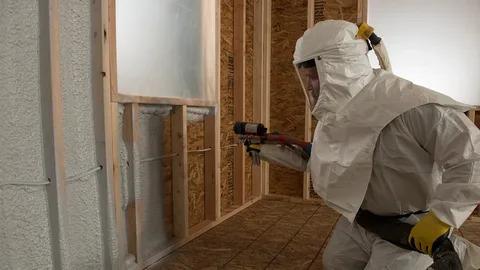
Why Does Wet Insulation Fail to Keep You Warm?
Air is a poor conductor of heat, which is why dry materials with many tiny air pockets work so well. Water conducts heat roughly 24 times faster than dry air, meaning wet materials cannot stop heat movement.
When your walls absorb water from heavy rains, plumbing leaks, or humid air, they lose their thermal resistance. Focusing on energy loss prevention requires keeping your wall cavities dry and well ventilated.
- Ensure your exterior siding is completely sealed to prevent rainwater from entering.
- Maintain proper indoor humidity levels using dehumidifiers or exhaust fans in kitchens and bathrooms.
- Inspect your attic and crawl spaces regularly for signs of condensation or roof leaks.
Bonus Tip: Always fix external drainage issues, clogged gutters, or roof leaks before installing new insulation in your walls.
5 Signs Your House Needs New Thermal Barriers
Detecting hidden wetness inside your walls can be difficult before major structural issues appear. However, several clear warnings indicate that your home is suffering from wall insulation moisture damage behind the drywall.
Paying attention to these warning signs can save you thousands of dollars in extensive home repairs. Let us look closer at the most common indicators of wet thermal barriers.
1. Visible Mold and Mildew Growth
Mold requires water, oxygen, and organic material to grow and spread throughout your home. Wet fibers provide the perfect dark environment for mold spores to multiply rapidly. If you see mold on your interior drywall, the material behind it is likely ruined.
- Look for black, green, or gray patches on your walls and baseboards.
- Check behind heavy furniture positioned against exterior walls for hidden mold.
- Address mold immediately to prevent respiratory issues and improve indoor air quality.
2. Unexplained Spikes in Utility Bills
When your thermal barrier fails, your HVAC system must run constantly to maintain comfortable temperatures. A sudden, unexplained jump in your monthly energy bills often points to wet and compacted wall cavities.
- Compare your current energy bills with those from the same months last year.
- Note if your heater or air conditioner runs continuously without reaching the set temperature.
- Track temperature fluctuations in different rooms to identify which walls are failing.
3. Soft Wood and Sagging Drywall
Drywall absorbs moisture from wet wall cavities, making it soft, warped, or discolored. This structural weakening is a severe stage of wall insulation moisture damage that requires immediate professional attention.
- Press gently on walls to check for soft spots or spongy textures.
- Look for peeling paint, bubbling wallpaper, or crumbling plaster along the wall surface.
- Check for sagging ceiling areas near exterior walls for signs of traveling water.
4. Cold Drafts and Hot Spots
If certain rooms feel much colder in the winter or warmer in the summer, your barriers are failing. Wet insulation shrinks and leaves empty spaces where outdoor air can pass freely into your living areas.
- Use your hand to feel for drafts near outlets, switches, and baseboards.
- Keep interior doors open to see if temperatures equalize or remain uneven.
- Check if drafty rooms align with the side of your house that receives heavy wind or rain.
5. Persistent Musty Odors
A damp, earthy smell that lingers even after cleaning is a strong sign of trapped wetness. This odor usually comes from decaying building materials or mold colonies growing inside your wall cavities.
- Pay attention to smells that get stronger when you close windows and doors.
- Check if the odor is more noticeable near specific exterior walls.
- Avoid using air fresheners to mask smells, as this delays finding the root problem.
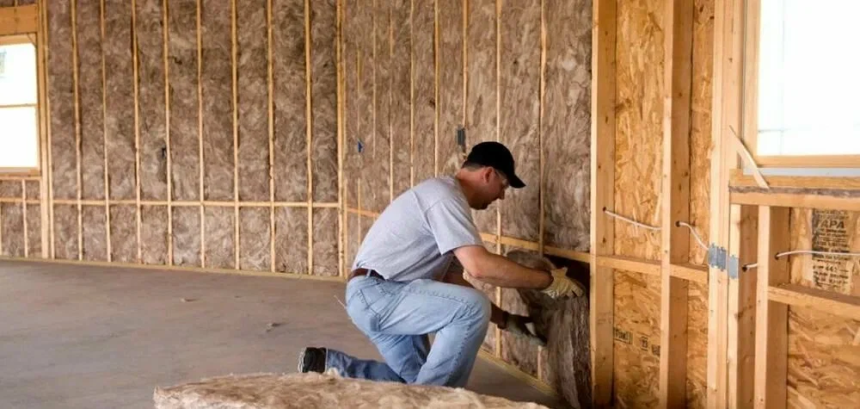
Comparing Materials Under Wet Conditions
Different products react differently when exposed to leaks and indoor vapor. Choosing a material that offers built-in moisture protection insulation is highly beneficial for the long-term health of your home.
Insulation TypeMoisture ResistanceR-Value RetentionMold Resistance Fiberglass BattsVery LowPoorLow (traps dust that grows mold)CelluloseLowPoorLow (absorbs water like a sponge)Open-Cell FoamModerate FairModerate (dries out but holds water)Closed-Cell FoamHighExcellentHigh (resists water and mold growth)Points to Review Before Hiring Professional Installers
Selecting the right materials and contractors is essential for a dry, energy efficient home. You need to evaluate several elements before signing a contract for your residential project.
- Check if the contractors hold active local licenses, general liability insurance, and proper certifications.
- Confirm if they offer complete removal of moldy materials rather than just covering them up.
- Ask about the specific vapor barrier requirements for your local climate zone.
- Compare the long-term value of water-resistant materials against cheaper traditional options.
Bonus Tip: Ask your contractor to use thermal imaging cameras to locate wet areas without cutting holes in your drywall.
Finding the Right Upgrade for Your Home
If you suspect your home has wet walls, you should contact certified insulation contractors to assess the situation. They have the specialized tools to measure moisture levels behind your walls without causing damage.
Professional insulation upgrade services can remove the ruined materials, sanitize the wall cavities, and install modern options. This process ensures your home remains comfortable and structurally sound for years to come.
Choosing professional residential insulation services ensures that your new thermal barriers are installed according to local building codes. This investment protects your property from future wall insulation moisture damage while lowering your energy bills.
- Request detailed written estimates from multiple contractors before making your choice.
- Ask for references from local homeowners who have had similar work done.
- Verify if the contractor offers warranties on both materials and labor.
Simple Steps for a Dry and Energy Efficient Home
Moisture is a silent threat that can ruin your home's thermal barriers and drive up your utility bills. Recognizing the signs of wet walls early can save you thousands of dollars in structural repairs.
Upgrading to water-resistant materials provides peace of mind and keeps your living spaces comfortable year-round. Take time to evaluate your walls, check your utility bills, and seek professional advice to keep your home protected.
- Inspect your exterior walls annually for cracks, gaps, or damaged siding.
- Keep your gutters clean to prevent water from overflowing onto your home's foundation and walls.
- Schedule a professional home energy audit to identify hidden leaks and insulation failures.
Request a Free Consultation and Quote for Your Home Upgrade
If you are worried about damp walls or rising energy bills, reaching out to local specialists is the best next step. The team at Supreme Spray Foam LV can inspect your property, find damp areas, and suggest the right solutions. You can easily contact them by sending an email to [email protected].
What Are the Most Common Questions About Wet Wall Insulation How can you tell if wall insulation is wet without tearing down drywall?
You can use a non-invasive moisture meter or a thermal imaging camera. Wet areas show up as cold spots on infrared scans because water conducts heat differently than dry building materials.
- Look for localized temperature drops on exterior walls during cold days.
- Use a pinless moisture meter to detect dampness behind paint or wallpaper.
- Contact a professional inspector to run a comprehensive thermal scan of your home.
Does wet fiberglass insulation dry out on its own?
Fiberglass can dry out if the leak is stopped quickly, but it often loses its shape and sags. This sagging leaves uninsulated gaps in your walls that permanently reduce your home's thermal efficiency.
- Check if the fiberglass material has remained fluffy or has compressed down.
- Look for water stains on the paper backing of the fiberglass batts.
- Replace any fiberglass that has been saturated for more than 48 hours to avoid mold.
What is the best material for preventing wall insulation moisture damage?
Closed-cell spray foam is highly effective because it resists water absorption and acts as a vapor barrier. It maintains its thermal properties even in damp environments, unlike traditional fiberglass batts.
- Use closed-cell foam in areas prone to high humidity or heavy rainfall.
- Benefit from the added structural strength that spray foam provides to your walls.
- Enjoy long-term energy savings due to the superior air-sealing properties of foam.
Will mold grow on wet cellulose insulation?
Yes, cellulose is made from recycled paper, which provides a food source for mold when wet. Although it is treated with fire retardants, prolonged exposure to water will still lead to mold growth.
- Inspect damp cellulose for gray or black discolorations and musty smells.
- Be aware that wet cellulose can corrode metal pipes and fasteners in wall cavities.
- Remove and replace wet cellulose entirely once it becomes saturated.
How much does it cost to replace damp wall insulation?
Costs vary depending on the size of the area, the extent of the damage, and the material you choose. Contacting professional installers for an on-site evaluation is the best way to get an accurate estimate.
- Factor in the cost of drywall removal, mold remediation, and wall repair.
- Balance the initial cost of premium materials against their long-term durability and energy savings.
- Check if local utility companies offer rebates for upgrading your home's insulation.





Essential Considerations for Commercial Lighting Installation
As an engineer I think that commercial lighting installation should start with a clear loo...